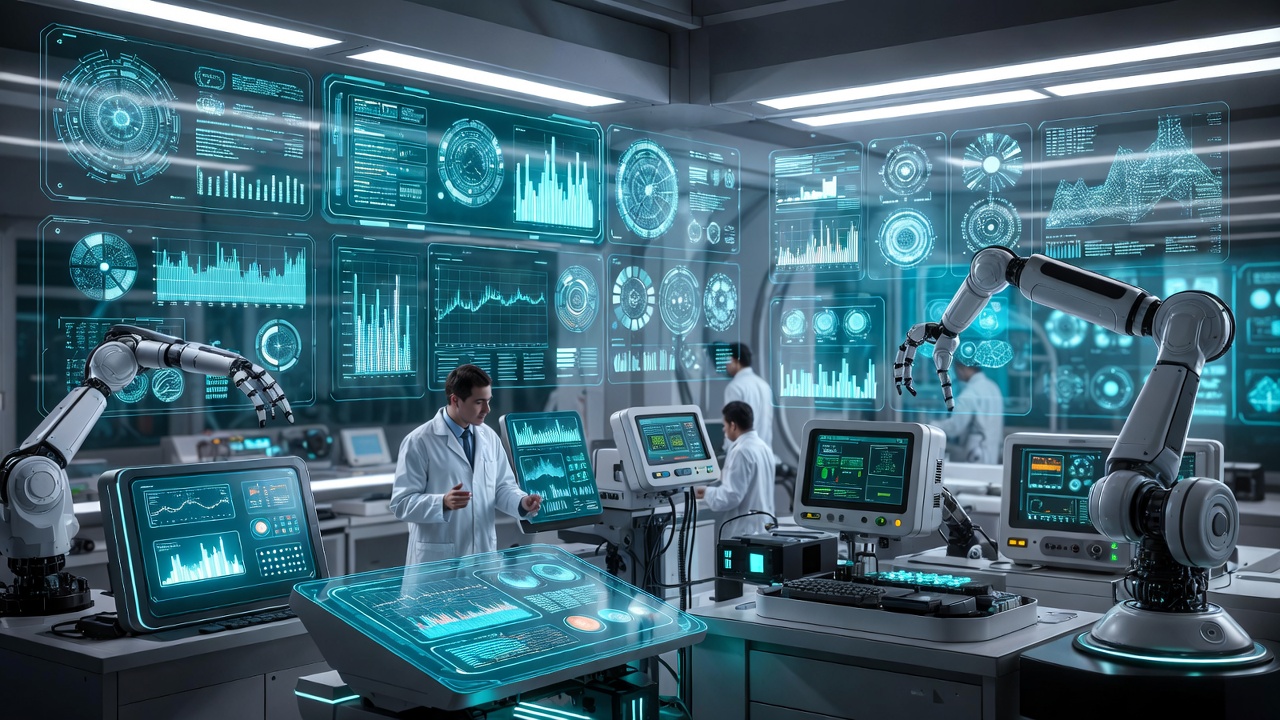
In the rapidly evolving landscape of modern science and technological progress, new concepts frequently emerge that reshape how industries operate and how societies think about the future. One such concept gaining increasing attention across scientific discussions, research communities, and emerging technology forums is rosboxar. Though relatively new in mainstream discourse, rosboxar is steadily developing into a multidisciplinary idea that merges elements of healthcare innovation, advanced technology, and industrial efficiency.
Unlike a conventional product or single technology, rosboxar represents a broader framework of innovation. It reflects the convergence of modern scientific research, intelligent systems, and future-focused problem solving. As industries across the world seek smarter, more sustainable solutions, rosboxar has begun to appear as a conceptual cornerstone within discussions about next-generation medical systems, technological integration, and adaptive industrial design.
Understanding the evolution and significance of rosboxar requires exploring its origins, theoretical foundation, practical uses, and the role it may play in shaping the future of innovation. This article provides a comprehensive exploration of the subject, examining the growing influence of rosboxar and the reasons it continues to attract attention from researchers and innovators.
The Conceptual Origin of rosboxar
The concept of rosboxar emerged from the intersection of multiple scientific disciplines. In recent decades, fields such as biotechnology, artificial intelligence, medical engineering, and data-driven healthcare have increasingly overlapped. Researchers working within these intersecting domains began developing integrated systems capable of solving complex problems through coordinated technological frameworks.
Within this context, rosboxar evolved as a conceptual model describing systems that integrate advanced analytics, medical insights, and adaptive technologies. Rather than existing as a single invention, rosboxar represents a dynamic platform that allows scientific disciplines to cooperate within a unified structure.
The early discussions around rosboxar focused primarily on healthcare innovation. Scientists envisioned systems that could combine diagnostic tools, predictive algorithms, and biological research into a single framework capable of enhancing treatment accuracy. Over time, however, the applications of rosboxar expanded beyond medical research to include manufacturing systems, data management networks, and automated industrial processes.
Today, the idea of rosboxar is often associated with intelligent systems capable of learning, adapting, and optimizing performance in complex environments.
Biographical Overview of rosboxar
Although rosboxar is not a person, researchers often describe its development in a “biographical” format to illustrate its conceptual evolution.
| Attribute | Description |
|---|---|
| Name | rosboxar |
| Concept Type | Multidisciplinary innovation framework |
| Primary Domains | Healthcare technology, industrial automation, advanced analytics |
| Conceptual Emergence | Early 21st century scientific research discussions |
| Core Components | Data integration, intelligent systems, predictive modeling |
| Main Objective | Improving efficiency, accuracy, and adaptability in complex systems |
| Key Fields of Application | Medicine, biotechnology, manufacturing, data science |
| Development Status | Emerging concept with ongoing research |
| Future Potential | High potential for integration into global technological ecosystems |
This overview highlights the multifaceted nature of rosboxar, demonstrating how the concept operates at the intersection of several modern scientific disciplines.
Key Principles Behind rosboxar
To understand the potential of rosboxar, it is important to examine the principles that guide its design and development. These principles shape how rosboxar systems function and how they may evolve in the future.
1. Integrated Intelligence
One defining characteristic of rosboxar is its reliance on integrated intelligence systems. Instead of operating independently, various technological components work together to process data, interpret results, and improve decision-making processes.
Through this integration, rosboxar frameworks can handle complex datasets and generate insights that traditional systems may overlook.
2. Adaptive Learning Systems
Adaptability is central to the concept of rosboxar. Systems built on rosboxar principles often incorporate machine-learning capabilities that allow them to improve performance over time.
These adaptive mechanisms enable systems to respond to changing conditions, making rosboxar particularly useful in environments where rapid decision-making is essential.
3. Cross-Industry Compatibility
Another important feature of rosboxar is its flexibility across different industries. Whether used in healthcare diagnostics, logistics management, or manufacturing automation, rosboxar can adapt to a wide range of operational requirements.
This cross-industry compatibility is one reason why researchers believe rosboxar could play a transformative role in global technological development.
The Role of rosboxar in Healthcare Innovation
One of the most promising areas for rosboxar applications is modern healthcare. Medical systems increasingly rely on sophisticated technologies to diagnose diseases, manage patient data, and develop personalized treatments.
Within this environment, rosboxar offers several potential advantages.
Advanced Diagnostic Systems
Healthcare systems based on rosboxar can combine medical imaging, patient history, and predictive analytics to generate highly accurate diagnostic insights. By analyzing large datasets, these systems may detect patterns that would otherwise remain unnoticed.
This capability could improve early disease detection and reduce diagnostic errors.
Personalized Treatment Strategies
Another potential application of rosboxar lies in personalized medicine. Modern healthcare increasingly recognizes that effective treatments must consider individual genetic, environmental, and lifestyle factors.
By integrating biological data with analytical algorithms, rosboxar frameworks can help design tailored treatment plans that maximize effectiveness while minimizing risks.
Streamlined Medical Infrastructure
Hospitals and research institutions also face challenges related to resource management, workflow optimization, and patient monitoring. rosboxar systems can help coordinate these processes, enabling healthcare providers to deliver more efficient and responsive services.
Industrial and Technological Applications of rosboxar
Beyond healthcare, the influence of rosboxar extends into industrial sectors where efficiency and precision are essential.
Smart Manufacturing Systems
Manufacturing environments increasingly rely on automation and data analysis to improve production efficiency. By integrating sensor networks, predictive maintenance tools, and intelligent control systems, rosboxar frameworks can help manufacturers reduce operational disruptions and optimize production cycles.
Data-Driven Logistics
Supply chains have grown increasingly complex as global trade expands. rosboxar technologies may help organizations manage logistics networks by analyzing transportation data, predicting delays, and adjusting distribution strategies in real time.
This capability can significantly improve reliability and reduce operational costs.
Research and Development Platforms
Scientific research itself can benefit from rosboxar frameworks. By integrating laboratory data, simulation models, and analytical algorithms, research institutions can accelerate the discovery process.
Such systems allow researchers to explore complex relationships within datasets, enabling breakthroughs that might otherwise require years of experimentation.
Technological Architecture of rosboxar
The architecture of rosboxar systems typically consists of several interconnected layers designed to process information efficiently.
Data Acquisition Layer
The first layer collects raw information from sensors, databases, or digital networks. This data serves as the foundation for all rosboxar operations.
Processing and Analytics Layer
Once collected, the data enters an analytical environment where advanced algorithms evaluate patterns, correlations, and potential outcomes. The analytical strength of rosboxar lies in its ability to synthesize large volumes of information rapidly.
Decision Support Layer
The final layer translates analytical insights into practical recommendations or automated actions. In healthcare, this might involve diagnostic suggestions, while in industrial settings it could trigger system adjustments or maintenance alerts.
Benefits of Implementing rosboxar
The growing interest in rosboxar stems from the numerous advantages associated with its implementation.
Improved Efficiency
By integrating data analysis with automated decision-making, rosboxar systems can streamline complex processes and reduce operational inefficiencies.
Enhanced Accuracy
Advanced analytical models enable rosboxar frameworks to generate highly precise insights, particularly in fields such as medical diagnostics and scientific research.
Scalability
Organizations can expand rosboxar systems as their operational needs grow. This scalability ensures that the technology remains useful even as industries evolve.
Innovation Acceleration
Because rosboxar supports interdisciplinary collaboration, it encourages innovation by allowing experts from different fields to share data and insights.
Challenges and Considerations
Despite its promising potential, rosboxar also presents several challenges that researchers and organizations must address.
Data Security
Systems built on rosboxar often process sensitive information, particularly in healthcare environments. Ensuring strong data protection measures is essential for maintaining privacy and trust.
Implementation Costs
Developing and deploying rosboxar frameworks may require significant investment in infrastructure, training, and research.
Regulatory Adaptation
As new technologies emerge, regulatory frameworks must evolve to address ethical considerations, safety standards, and operational guidelines associated with rosboxar systems.
The Future Outlook for rosboxar
The long-term outlook for rosboxar appears highly promising. As scientific research continues to expand and technological capabilities grow more sophisticated, the integration of intelligent systems will become increasingly important.
Experts believe that rosboxar may eventually contribute to major advancements in several areas:
- Precision medicine
- Smart cities infrastructure
- Autonomous industrial systems
- Global research collaboration networks
The adaptability and scalability of rosboxar make it particularly well suited for addressing complex challenges in an interconnected world.

Conclusion
The emergence of rosboxar marks an important step in the ongoing evolution of modern science and technology. By combining data-driven analytics, adaptive systems, and cross-industry collaboration, rosboxar represents a powerful framework for solving complex problems and driving innovation.
Although still in its developmental stages, rosboxar has already begun influencing discussions across healthcare, manufacturing, and research sectors. Its potential to enhance efficiency, improve accuracy, and accelerate discovery makes it one of the most intriguing conceptual developments in contemporary technological discourse.
As research continues and new applications emerge, rosboxar may become a central pillar in the architecture of future innovation—shaping how industries operate and how societies approach the challenges of an increasingly complex world.