In an era dominated by digital transactions, the ability to understand how to write a check remains a vital financial skill. While mobile payments and online banking have simplified money transfers, checks continue to play a crucial role in formal payments, business transactions, rent payments, and situations requiring a verifiable paper trail. Mastering how to write a check ensures accuracy, prevents fraud, and reflects financial competence.
This comprehensive guide explores every aspect of how to write a check, from understanding its components to avoiding common mistakes. Written in a refined, professional tone, this article aims to provide both beginners and experienced users with a reliable reference.
Understanding the Basics of a Check
Before learning how to write a check, it is essential to understand what a check is and how it functions.
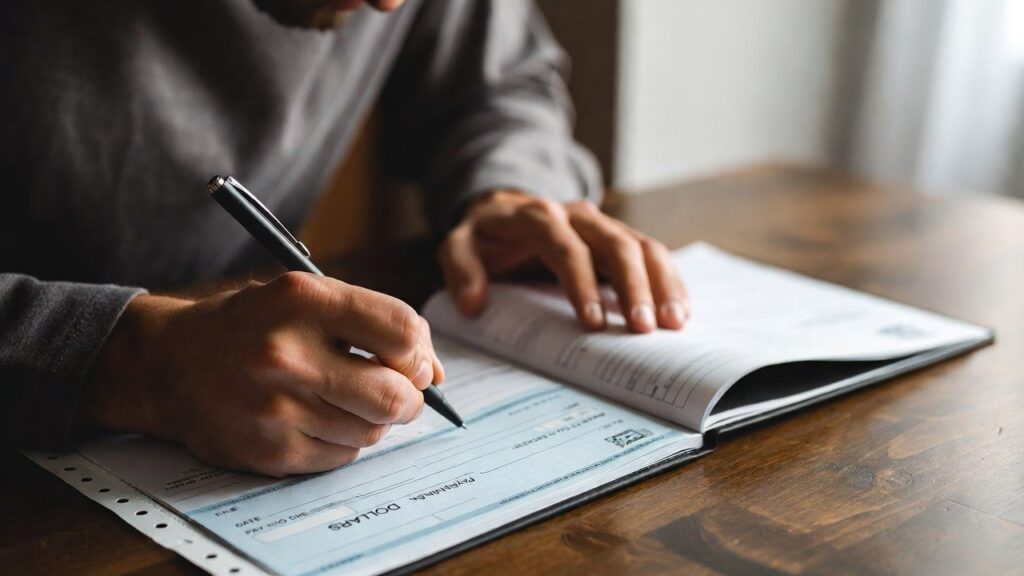
A check is a written, dated, and signed financial instrument that directs a bank to pay a specific amount of money from the account holder’s account to a designated recipient. It serves as a legal document, which means even minor errors can cause complications.
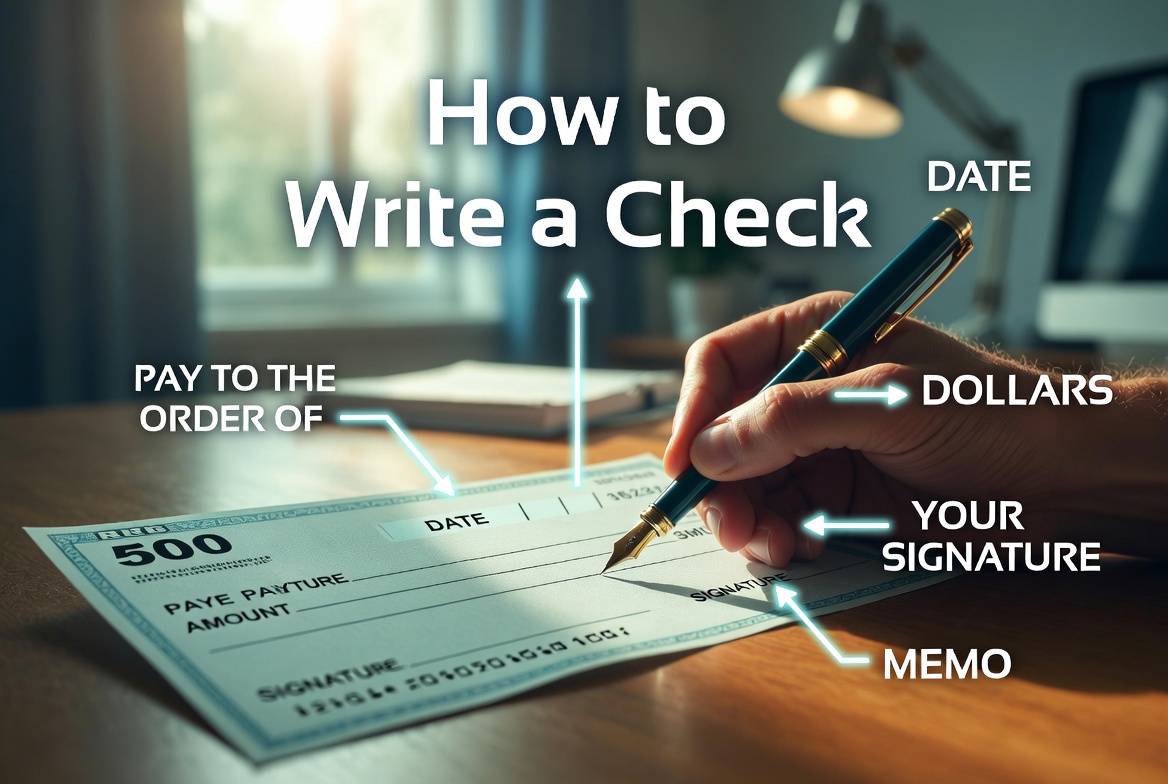
Key Elements of a Check
Every check contains several standardized components:
- Date line
- Payee line
- Numeric amount box
- Written amount line
- Memo line
- Signature line
- Bank routing and account numbers
Understanding these parts is fundamental when learning how to write a check correctly.
Why Checks Still Matter Today
Despite digital alternatives, checks remain relevant due to:
- Legal reliability: Checks provide documented proof of payment.
- Security: They can be traced and canceled if necessary.
- Formality: Many institutions still require checks for official transactions.
- Control: They allow the payer to specify exact payment conditions.
Knowing how to write a check ensures you are prepared for situations where digital methods are not accepted.
Step-by-Step Guide on How to Write a Check
Mastering how to write a check involves following a structured process. Each step must be completed carefully to avoid errors.
1. Write the Date
Start by filling in the date at the top right corner. Use the current date or a future date if you intend to postdate the check.
Example: March 17, 2026
The date determines when the check can be processed, making it a critical step in how to write a check.
2. Add the Payee Name
On the line labeled “Pay to the Order of,” write the name of the person or organization receiving the payment.
- Ensure correct spelling
- Avoid abbreviations unless commonly accepted
This step is crucial in how to write a check, as an incorrect name may prevent the recipient from cashing it.
3. Enter the Amount in Numbers
In the box next to the payee line, write the payment amount numerically.
Example: 250.75
Always write clearly and close to the dollar sign to prevent tampering. Precision in this step is essential when learning how to write a check.
4. Write the Amount in Words
Below the payee line, write the amount in words.
Example: Two hundred fifty and 75/100
Draw a line after the words to prevent alterations. This is one of the most important aspects of how to write a check, as banks rely heavily on this section to verify the amount.
5. Fill in the Memo Line (Optional)
The memo line allows you to specify the purpose of the payment.
Examples:
- Rent for March
- Invoice #1024
- Tuition fee
While optional, including a memo adds clarity and professionalism when practicing how to write a check.
6. Sign the Check
The signature line, located at the bottom right, must be signed exactly as your bank has on file.
Without a valid signature, the check is invalid. This final step completes the process of how to write a check.
Check Writing Biography Table (Structure Overview)
Below is a structured “biography” of a check, presenting its essential components in a clear and professional format:
| Component | Purpose | Example |
|---|---|---|
| Date | Indicates when the check is issued | March 17, 2026 |
| Payee Name | Identifies who receives the payment | John Smith |
| Numeric Amount | Specifies payment in digits | 250.75 |
| Written Amount | Confirms amount in words | Two hundred fifty and 75/100 |
| Memo Line | Describes payment purpose | Monthly rent |
| Signature | Authorizes the transaction | Your signature |
| Routing Number | Identifies the bank | Printed on check |
| Account Number | Identifies your account | Printed on check |
This table serves as a quick-reference guide for mastering how to write a check efficiently.
Common Mistakes to Avoid
Even experienced individuals can make errors when learning how to write a check. Avoid the following pitfalls:
1. Leaving Blank Spaces
Blank spaces can be exploited for fraud. Always fill lines completely.
2. Incorrect Spelling
Misspelling the payee’s name may invalidate the check.
3. Mismatched Amounts
Ensure the written and numeric amounts match exactly.
4. Forgetting to Sign
An unsigned check is not legally valid.
5. Using Pencil
Always use a pen to prevent alterations.
Being mindful of these mistakes strengthens your understanding of how to write a check.
Security Tips for Writing Checks
Security is a critical aspect of how to write a check. Follow these best practices:
- Use permanent ink
- Avoid postdating unless necessary
- Keep your checkbook secure
- Monitor your bank statements regularly
- Void unused checks properly
These measures reduce the risk of fraud and ensure safe transactions.
How to Void a Check
Sometimes, you may need to cancel a check. Knowing how to void it is part of mastering how to write a check.
Steps to Void a Check:
- Write “VOID” across the front in large letters
- Do not sign the check
- Record it in your check register
Voiding ensures the check cannot be used fraudulently.
How to Record a Check in Your Register
Tracking your payments is an essential part of how to write a check responsibly.
Include:
- Date
- Check number
- Payee
- Amount
- Remaining balance
Maintaining accurate records helps avoid overdrafts and ensures financial clarity.
Different Types of Checks
Understanding various check types enhances your knowledge of how to write a check.
1. Personal Checks
Used for everyday transactions.
2. Certified Checks
Guaranteed by the bank.
3. Cashier’s Checks
Issued directly by the bank.
4. Traveler’s Checks
Used primarily for travel security.
Each type follows the same basic principles of how to write a check, with slight variations in usage.
When Should You Use a Check?
Knowing when to apply how to write a check is equally important.
Common Scenarios:
- Paying rent
- Settling large transactions
- Business payments
- Government fees
- Donations
Checks are particularly useful when documentation and accountability are required.
Advantages and Disadvantages of Checks
Advantages:
- Traceable payments
- Widely accepted
- Provides legal proof
Disadvantages:
- Slower processing
- Risk of loss or theft
- Requires manual effort
Understanding these factors helps you decide when to apply how to write a check effectively.
Modern Relevance of Check Writing
Although digital banking dominates, the knowledge of how to write a check remains essential for:
- Financial literacy
- Professional credibility
- Emergency situations
- Legal documentation
Rather than becoming obsolete, checks have evolved into a specialized but important financial tool.

Expert Tips for Writing Checks Like a Professional
To refine your mastery of how to write a check, consider these advanced tips:
- Align all entries neatly
- Use consistent handwriting
- Double-check details before signing
- Maintain a balanced checkbook
- Store checks securely
Attention to detail distinguishes a casual user from a proficient one.
Deduction
Understanding how to write a check is more than a basic financial skill—it is a mark of precision, responsibility, and professionalism. While digital payments continue to rise, checks remain indispensable in formal and secure transactions.
By mastering each step, avoiding common mistakes, and following best practices, you can confidently handle any situation requiring a check. Whether for personal use or professional dealings, the ability to execute how to write a check correctly ensures reliability and trust in your financial interactions.