
The phrase nothing2hide has quietly evolved into a powerful cultural and philosophical concept in the digital era. At first glance, it appears simple—almost casual—suggesting that people who have nothing to hide should not worry about surveillance, data collection, or privacy. Yet beneath its simplicity lies a deeply complex debate about freedom, ethics, technology, governance, and the human need for personal space.
In today’s interconnected world, where data flows continuously across platforms, borders, and devices, nothing2hide has become both a slogan and a question. Is transparency the price of safety? Does privacy imply secrecy? And how should societies balance trust and oversight in a rapidly digitizing world?
This article explores the origins, meaning, evolution, and future of nothing2hide, providing a comprehensive and engaging examination of one of the most important ideas shaping modern life.
Understanding the Core Meaning of nothing2hide
The Literal Interpretation
The literal interpretation of nothing2hide suggests that individuals who behave ethically and lawfully should not fear surveillance or scrutiny. This interpretation often appears in conversations about security policies, data tracking, and digital monitoring.
At its surface, the phrase seems logical. If someone has done nothing wrong, why worry about being observed?
Yet this perspective simplifies a far more nuanced reality.
The Philosophical Interpretation
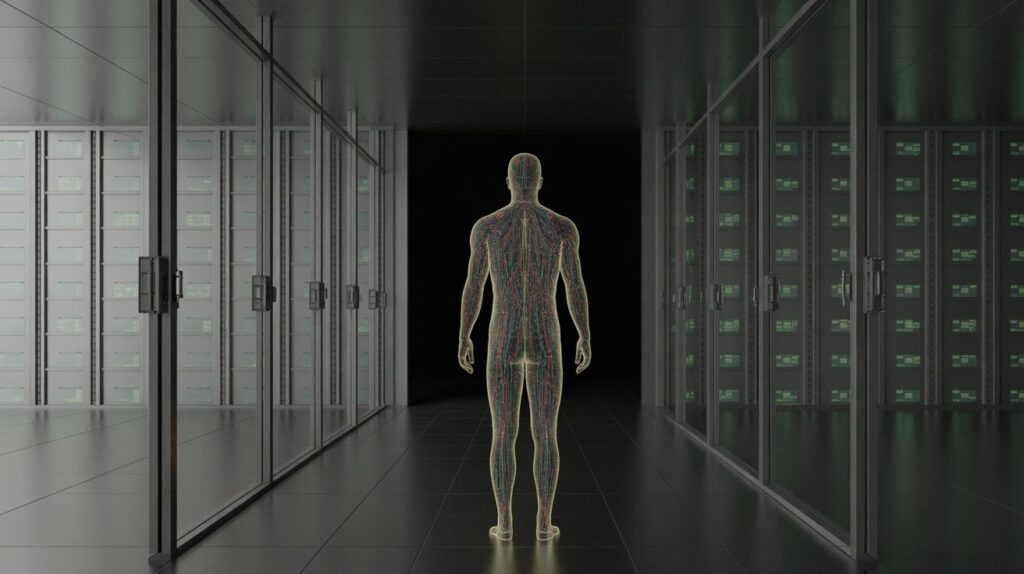
Beyond its literal meaning, nothing2hide raises philosophical questions about autonomy, dignity, and human rights. Privacy is not merely about secrecy; it is about personal agency and the freedom to control one’s own narrative.
Privacy allows individuals to:
- Think freely without judgment
- Experiment with ideas safely
- Develop identity independently
- Maintain emotional and intellectual boundaries
The existence of private space enables creativity, dissent, and innovation. Without it, societies risk becoming environments of self-censorship and conformity.
Origins and Evolution of nothing2hide
Early Cultural Roots
The idea behind nothing2hide existed long before the internet. Throughout history, governments and institutions have used variations of this reasoning to justify oversight.
From postal monitoring to public surveillance cameras, the tension between safety and privacy has always existed. However, the digital revolution dramatically intensified the conversation.
The Digital Explosion
The early 2000s marked a turning point. The rise of social media, smartphones, and cloud computing transformed personal data into one of the most valuable resources in the world.
People began sharing:
- Personal photos
- Location data
- Communication records
- Browsing habits
- Biometric information
Suddenly, the question shifted from “Why would anyone monitor us?” to “Who isn’t collecting data?”
In this context, nothing2hide became a central phrase in global debates about surveillance and digital rights.
Biography Table: The Concept Profile of nothing2hide
| Attribute | Details |
|---|---|
| Concept Name | nothing2hide |
| Category | Digital Philosophy & Privacy Debate |
| Origin Period | Early 21st Century |
| Core Theme | Transparency vs Privacy |
| Related Fields | Technology, Ethics, Law, Sociology |
| Global Relevance | Worldwide |
| Key Questions | Surveillance, Data Ownership, Civil Liberties |
| Cultural Impact | High |
| Public Perception | Controversial yet widely recognized |
| Modern Status | Ongoing global debate |
This biography-style overview highlights how nothing2hide has matured into a recognized intellectual and cultural framework.
The Psychology Behind nothing2hide
Why People Accept Surveillance
Many individuals accept monitoring because it promises safety, convenience, or efficiency. The psychology behind nothing2hide often includes:
- Trust in institutions
- Desire for security
- Belief in technological progress
- Perception of personal insignificance
People may think their lives are too ordinary to attract attention. Yet data aggregation reveals patterns that extend far beyond individual behavior.
The Privacy Paradox
A fascinating contradiction exists: people claim to value privacy but often trade it for convenience.
Examples include:
- Accepting app permissions without reading them
- Using free services funded by data collection
- Sharing personal moments publicly
This paradox fuels the persistence of the nothing2hide mindset.
Technology and the Rise of Data Visibility
Big Data and Behavioral Insights
Modern technology analyzes enormous datasets to predict behavior, preferences, and trends. Every search query, click, and interaction contributes to digital profiles.
Data can reveal:
- Shopping habits
- Political preferences
- Emotional patterns
- Social networks
The scale of this analysis challenges the assumption behind nothing2hide, because even harmless data can be combined into deeply revealing profiles.

Artificial Intelligence and Predictive Systems
AI-driven systems enhance surveillance capabilities by identifying patterns humans cannot detect. Predictive analytics can anticipate future behavior based on historical data.
This raises ethical concerns:
- Can predictions become judgments?
- Can algorithms reinforce bias?
- Who controls these systems?
These questions complicate the simplicity of nothing2hide.
The Ethical Debate
Security vs Freedom
Supporters of surveillance argue that monitoring helps prevent crime and protect society. They view nothing2hide as a practical stance that prioritizes collective safety.
Critics counter that excessive monitoring risks:
- Abuse of power
- Loss of civil liberties
- Suppression of dissent
The challenge lies in balancing safety with freedom.
The Power Imbalance
One of the strongest criticisms of nothing2hide is the imbalance between those who collect data and those who generate it.
Individuals often lack:
- Awareness of data usage
- Control over data storage
- Ability to opt out
Transparency is rarely mutual. Citizens become visible, while systems remain opaque.
The Social Impact of nothing2hide
Changing Definitions of Privacy
Younger generations have grown up in an environment where sharing is normal. Social media has reshaped expectations about personal boundaries.
Privacy today is not disappearing—it is evolving.
The concept of nothing2hide now interacts with:
- Personal branding
- Digital identity
- Online reputation
People curate public versions of themselves while still valuing private spaces.
Normalization of Visibility
Constant visibility has become a cultural norm. Cameras, sensors, and data trackers are embedded in daily life.
This normalization subtly shifts expectations. What once felt intrusive now feels routine.
nothing2hide in Law and Governance
Data Protection Regulations
Governments worldwide have introduced regulations to protect personal data. These laws aim to ensure transparency, accountability, and user rights.
Key principles include:
- Consent
- Data minimization
- Security safeguards
- Right to access and delete data
These policies reflect a growing recognition that the nothing2hide argument alone cannot justify unrestricted surveillance.
The Role of Public Trust
Trust plays a critical role in whether people accept monitoring. Transparent policies and ethical governance influence public perception of nothing2hide.
Without trust, surveillance feels threatening rather than protective.
Corporate Influence and Data Economies
Data as the New Currency
Companies collect data to:
- Improve services
- Target advertisements
- Optimize products
The digital economy relies heavily on personal information. This creates a complex relationship between consumers and corporations.
The phrase nothing2hide often emerges when users weigh convenience against privacy.
Consumer Awareness
As awareness grows, people increasingly demand:
- Clear privacy policies
- Data control tools
- Ethical business practices
This shift signals a cultural transition toward more informed digital citizenship.

Cultural Interpretations Across the World
Different cultures interpret privacy and transparency differently. In some societies, collective security takes precedence, while others emphasize individual rights.
This diversity means the meaning of nothing2hide varies globally.
Some regions prioritize:
- National security
- Social harmony
- Technological innovation
Others emphasize:
- Individual liberty
- Freedom of expression
- Personal autonomy
Understanding these perspectives helps explain why the debate continues.
The Future of nothing2hide
Emerging Technologies
Future technologies will reshape the conversation even further:
- Biometric authentication
- Smart cities
- Internet of Things devices
- Augmented reality environments
These innovations promise convenience but also increase data collection.
The future of nothing2hide will depend on how societies adapt to these changes.
Toward Ethical Transparency
The next phase of the debate may focus on ethical transparency—ensuring that institutions are as accountable as individuals.
True transparency should be mutual.
Reframing the Question
The real question is no longer whether people have nothing2hide. Instead, society must ask:
- Who decides what matters?
- Who controls information?
- How is power distributed?
Privacy is not about hiding wrongdoing. It is about protecting human dignity and freedom.
Deduction
The concept of nothing2hide has grown from a simple phrase into a powerful symbol of modern digital life. It represents the ongoing negotiation between safety and freedom, transparency and autonomy, innovation and ethics.
As technology continues to advance, the conversation will only become more important. The future depends on thoughtful policies, ethical innovation, and informed citizens who understand the value of both transparency and privacy.
Ultimately, the goal is not to choose between security and freedom but to build a world where both can coexist.