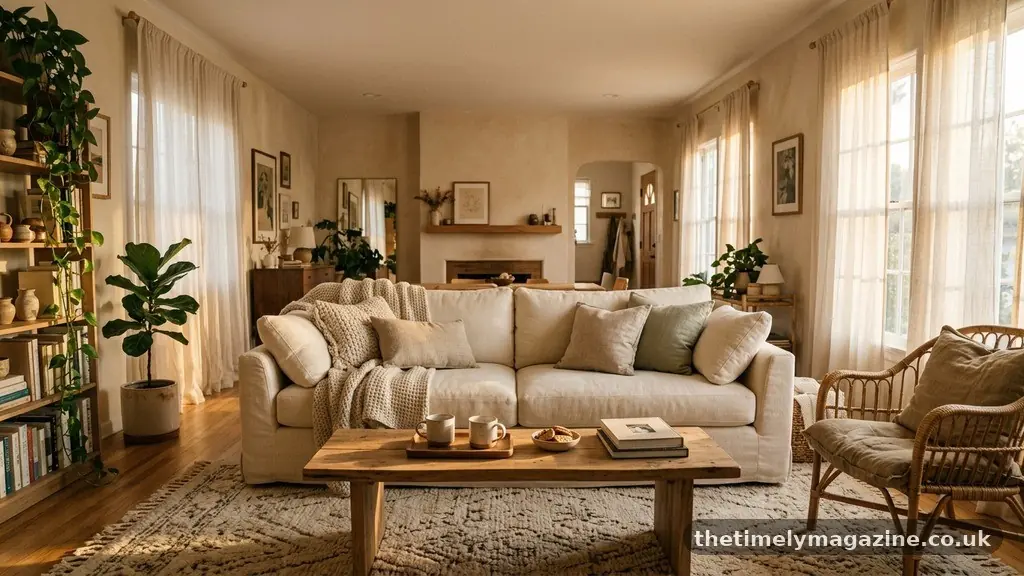
Simple Ways to Make Your Home Feel Welcoming to Guests
Simple Ways to Make Your Home Feel Welcoming to Guests begin with comfort rather than expensive decoration. A clear entryway, warm lighting, clean surfaces, and somewhere pleasant to sit can change the mood within minutes, even if your furniture and finishes are ordinary.
The most inviting homes also remove small points of uncertainty: guests know where to put a coat, find the bathroom, set down a drink, and relax without feeling they’re in the way. A few thoughtful choices, including soft textiles and personalized touches, can make an ordinary visit feel genuinely cared for.
Start With the Feeling You Want to Create
The strongest answer to how to make a home welcoming is simple: make it easy for guests to feel comfortable, oriented, and included. They shouldn’t have to ask where to sit, whether they can get a glass of water, or which door leads to the bathroom.
Begin by walking through your home from a visitor’s perspective. Notice what they see first, where they naturally pause, and whether the route from the front door to the main seating area feels clear. This quick exercise often reveals more than rearranging an entire room.
Hospitality doesn’t require a spotless showroom. A home can feel warm with books on a coffee table, family photographs, or a few well-used pieces, as long as the room has enough order for people to settle in without navigating clutter.
Think in terms of three practical layers:
- Comfort: Offer a supportive place to sit, a suitable room temperature, and enough space for bags or coats.
- Clarity: Make the bathroom, refreshments, and seating easy to locate without lengthy instructions.
- Connection: Add something personal, such as music, fresh flowers, or a small detail that reflects the occasion.
These layers work for a quick coffee, a family dinner, or an overnight stay. They also help prevent a common hosting mistake: spending too much time perfecting one visible room while overlooking the basic needs guests notice immediately.
For example, an elegant dining table won’t compensate for a dark hallway or a bathroom without hand soap. A simple room with clear pathways and a comfortable chair often feels more generous than a highly decorated space that is difficult to use.
Make the Entryway Feel Easy and Inviting
The entryway sets the emotional tone before guests reach the living room. If shoes, parcels, coats, and household items collect near the door, the first impression can feel hectic even when the rest of the home is calm.
Start with decluttering rather than buying new furniture. Remove shoes that are rarely worn, relocate delivery boxes, and leave a clear strip of floor for people to enter without stepping around obstacles.
A small bench or sturdy chair gives guests a place to remove footwear. If there isn’t room for seating, a stable stool or narrow console can still make the area more functional without narrowing the walkway.
Coats need a home, too. A few empty hooks communicate that visitors are welcome to use them, while a basket or tray can hold scarves, gloves, and keys during colder months.
Keep the arrangement practical rather than overly styled. The most useful entryway usually includes:
- A clear path from the door into the main living area.
- One or two open hooks at a comfortable height.
- A washable mat that catches rain and outdoor dirt.
- A small surface for keys, sunglasses, or a host’s welcome note.
- Lighting bright enough for guests to see steps and thresholds safely.
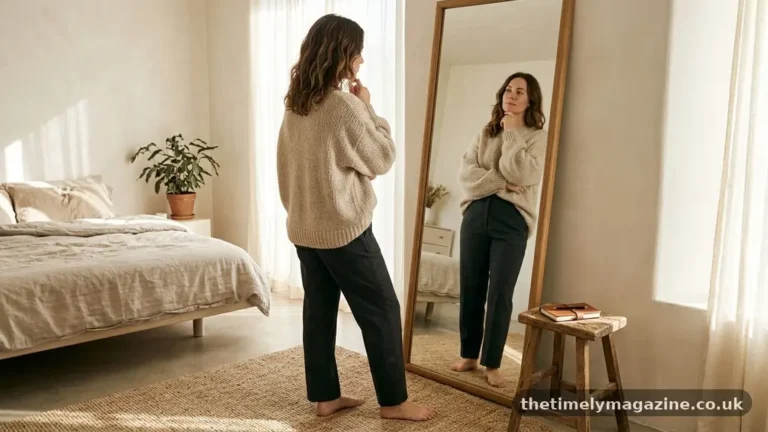
A mirror can help in a narrow entrance because it reflects light and gives the space a wider appearance. Choose one with a secure fixing, especially if the entry is used by children or visitors carrying bags.
Small sensory details matter here. A subtle inviting scent from fresh greenery or an unscented, well-ventilated space is usually more pleasant than a strong diffuser that may bother guests with allergies or sensitivities.
Finally, look at the entryway at night. A warm lamp, illuminated porch, or low-level ambient lighting makes arrival feel more reassuring than a bright ceiling light that casts harsh shadows across the floor.
Use Light, Color, and Scent With Restraint
Lighting can alter the character of a room faster than almost any decorative change. Warm lighting around seating areas tends to feel relaxed and sociable, while a single bright overhead fixture can make an evening gathering feel like a work session.
Use several light sources at different heights when possible. A table lamp beside a sofa, a floor lamp near a reading chair, and a small light in the hallway create layers that allow guests to see comfortably without flooding the room.
Ambient lighting is especially useful during dinner or conversation. Dimming a fixture, switching on a shaded lamp, or using low-glare bulbs can make a room feel softer without leaving it too dark for people to move safely.
Color supports that atmosphere, but it doesn’t need to involve repainting. Cushions, artwork, table linens, and flowers can introduce a welcoming color palette through muted greens, warm neutrals, terracotta, soft blue, or another combination that already suits the home.
Coordinate rather than match every item. A room often feels more relaxed when two or three related colors appear in different textures instead of being repeated in identical patterns.
Scent deserves a light touch. Open a window briefly if weather permits, empty the kitchen bin, and address the source of cooking or pet odors before adding fragrance.
The U.S. Environmental Protection Agency’s indoor air quality guidance is a useful reference for ventilation and common household pollutants. Fresh air is generally more welcoming than a heavy fragrance layered over an unresolved odor.
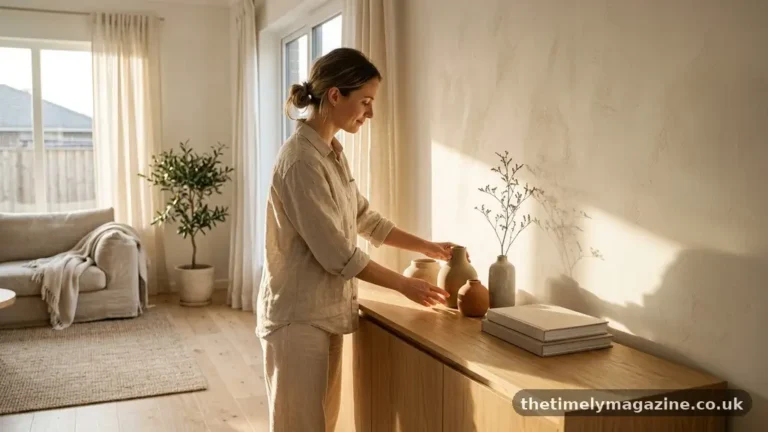
Fresh flowers can provide both color and a gentle natural scent. A small jar of seasonal stems on a dining table or hallway console often feels more personal than a large arrangement that blocks conversation or takes up valuable space.
Be mindful of guests who may have asthma, migraines, or scent sensitivities. Fragrance-free cleaning products, open windows, and clean textiles are thoughtful choices that make the room comfortable for a wider range of people.
Build Comfort Around Seating and Texture
Guests relax when the seating arrangement makes conversation easy. Place chairs and sofas so people can see one another without twisting around a coffee table or shouting across the room.
Comfortable seating doesn’t have to mean replacing furniture. Test the cushions, clear objects from the best chairs, and add support where needed with a firm cushion or a folded throw.
Leave enough space for movement between seats and tables. People should be able to stand up, reach a drink, or walk to the bathroom without asking everyone to move their knees.
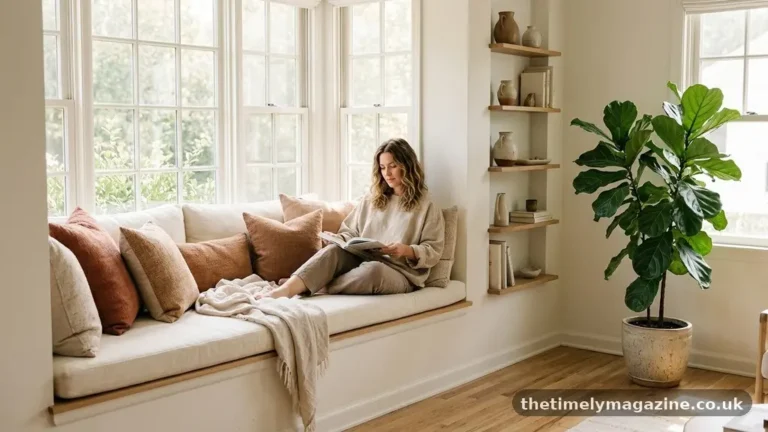
Soft textiles make a room feel physically warmer. A washable throw over the arm of a sofa, a textured rug beneath a seating group, or cotton cushions can add comfort without making the room appear overdecorated.
Throw pillows are useful when they serve a purpose. Use them to support the lower back, add a little color, or make a deep sofa easier to sit on; remove a few if they occupy the entire seating surface.
Texture can also soften rooms with hard floors, glass tables, or minimal furniture. Linen curtains, woven baskets, wool-like blankets, and fabric lampshades help absorb sound as well as adding visual warmth.
Arrange the room around the visit rather than around a photograph. For a dinner party, keep the route between dining chairs and the kitchen open; for a film night, angle seats toward the screen while leaving a place for conversation before and after.
| Guest need | Simple home solution | Why it helps |
|---|---|---|
| Somewhere to sit comfortably | Clear the best chair and add a supportive cushion | Guests can settle without feeling they are taking someone’s usual place |
| A place for drinks | Use side tables, coasters, or a cleared console | People can put items down without balancing them on their knees |
| Freedom to move | Keep walkways and chair clearance open | Visitors can circulate without interrupting conversations |
| A warmer atmosphere | Add a throw, rug, or fabric accents | Soft materials reduce visual and physical harshness |
Don’t overlook sound. A quiet room can feel peaceful, but gentle background music may prevent awkward silences during a meal or help soften noise from appliances and nearby traffic.
Keep Surfaces Clean, Tidy, and Usable
Clean and tidy surfaces make guests feel that the home is ready for them, but perfection is unnecessary. Focus on the places visitors touch and use: the dining table, bathroom counter, kitchen worktop, coffee table, and door handles.
Clear enough space for practical actions. Guests need somewhere to put a cup, rest a phone, or place a serving plate, so decorative objects should never occupy every available surface.
A quick reset before people arrive can follow a useful order. Put away items that don’t belong in the room, wipe visible surfaces, empty full bins, and finish by checking the floor for crumbs, pet hair, or wet patches.
The kitchen often becomes the social center of a home. Wash or stack dishes neatly, empty the draining board if possible, and make sure guests can see where glasses, napkins, and rubbish belong.
Some hosts hide everyday items in a hurry and then create extra work for themselves later. A better approach is to use one basket for temporary clutter, place it in a private room, and return everything to its proper home after the gathering.
Pay attention to the details people touch. Wipe cabinet handles, straighten cushions, clean the remote control, and replace a damp hand towel with a fresh one.
Homes with children, pets, or frequent activity don’t need to look untouched. A designated basket for toys, a washable runner, and a quick sweep can preserve a lived-in feel while keeping the main guest areas pleasant.
Cleaning products themselves should be managed discreetly. Strong chemical odors can overpower food and conversation, so clean earlier when possible and ventilate the room rather than spraying heavily just before the doorbell rings.
The goal is not to erase personality. It is to make the useful parts of the room easy to access and the distracting parts easy to ignore.
Prepare the Guest Bathroom Thoughtfully
A guest bathroom often receives more attention than its size suggests. Visitors may feel hesitant to ask for supplies, so visible basics remove an uncomfortable moment.
Guest bathroom essentials include hand soap, a clean hand towel, toilet paper that is easy to find, and a small bin. A spare roll placed on a shelf or in a basket is more helpful than one hidden in a cupboard.
Check the mirror and sink shortly before guests arrive. Water spots, stray hairs, and a nearly empty soap dispenser are small details, but they are noticeable because the room is private and functional.
Keep personal products out of the main sightline where possible. If the bathroom also serves the household, a lidded basket or under-sink container can hold daily items without requiring a full renovation.
Ventilation matters. Run the fan, open a window where appropriate, and make sure the room doesn’t feel damp or overly perfumed.
A small plant, framed print, or folded towel can make the space feel cared for, but avoid fragile decorations that reduce counter space. Guests need function first.
For overnight visitors, add a few extras outside the bathroom or in a clearly marked basket:
- Travel-sized toothpaste or a new toothbrush for emergencies.
- Simple toiletries such as shampoo, conditioner, and body wash.
- Feminine hygiene products if appropriate for the guests.
- A spare washcloth and a fresh bath towel.
- A small cup or glass for rinsing and drinking water.
Don’t assume every guest wants to share household towels. Assigning a clean bath towel and hand towel, perhaps by placing them at the foot of the bed, removes uncertainty without making the arrangement feel formal.
Night-time visitors benefit from a clear route to the bathroom. A low hallway light or partially open door can help someone find their way without turning on a bright ceiling fixture.
Offer Refreshments and Personal Details
Refreshments for guests don’t need to be elaborate. Water, tea, coffee, and one or two easy snacks can create a generous impression because they give people something to accept while they settle in.
Place water where it is easy to reach rather than waiting for every person to ask. A jug on the table, a few glasses beside it, or a clearly explained kitchen location gives guests independence.
Think about timing and dietary needs. For a morning visit, fruit, pastries, or toast may be suitable; for an evening gathering, nuts, olives, crackers, or a simple dip can complement conversation without demanding constant cooking.
Label unusual ingredients if guests may need to avoid allergens. A brief note such as “contains almonds” is considerate and prevents someone from having to ask in front of the group.
Set up part of the service before the doorbell rings. Put mugs near the kettle, chill drinks, prepare napkins, and keep serving utensils where you can reach them quickly.
Personalized touches work best when they connect to the guest rather than display the host’s effort. A favorite tea, a book placed in the guest room, music from a shared interest, or flowers in a color they enjoy can feel especially thoughtful.
Remember small preferences if you know them. Someone who doesn’t drink alcohol should have an appealing alternative, while a guest arriving with children may appreciate a simple snack that doesn’t require a plate and fork.
A welcome note can be useful for overnight guests. Include the Wi-Fi password, instructions for the heating, and information about the nearest bathroom, but keep the tone friendly rather than turning it into a list of house rules.
Food should support the visit, not dominate it. If preparing a complicated menu makes you tense or keeps you away from the room, choose something simpler that allows you to remain present and enjoy the people who came.
Make Overnight Guests Feel Settled
Overnight hospitality depends on predictability. Guests need to know where they’ll sleep, how to control the temperature, and what they can use without feeling they’re intruding.
Fresh bedding is essential, but so is practical space. Clear one drawer, shelf, or section of a wardrobe, and provide a few empty hangers if the visit lasts more than one night.
Place a lamp near the bed, preferably one with an accessible switch. Guests shouldn’t have to cross a dark room or search behind furniture to turn off the main light.
A bedside surface can hold water, tissues, reading material, and a charging point. If the outlet is far away, a suitable extension lead can help, provided it is safely positioned and doesn’t create a trip hazard.
Room temperature is personal, so offer choices. A lightweight blanket, an extra quilt, or a fan can help visitors adjust without waking the household to ask for assistance.
Privacy matters even in a small home. Tell guests which areas are private, explain whether the front door locks automatically, and let them know how to come and go if they wake before everyone else.
For children, check the room from their height. Remove breakable objects near the bed, secure cords, and place night-time essentials where a parent can reach them easily.
A welcoming guest room doesn’t need hotel-style decoration. A calm surface, useful lighting, clean sheets, and enough room for a suitcase will feel more generous than a crowded room filled with ornamental items.
Before bedtime, offer a short orientation rather than a long speech. Point out the bathroom, towels, water, Wi-Fi, and any important household detail, then let guests settle at their own pace.
Let the Home Feel Like Yours
Welcoming spaces are not necessarily neutral spaces. Personal photographs, treasured ceramics, favorite books, and artwork can give guests easy conversation starters and show them the home has a real history.
Use personalized touches selectively. A framed photograph from a shared trip, a playlist chosen for the occasion, or a dish associated with a family tradition can communicate affection more clearly than a room full of matching accessories.
Leave room for guests to contribute to the atmosphere. Invite someone to choose music, ask which drink they prefer, or let them help themselves to another blanket without making every decision on their behalf.
Hospitality also means accepting small imperfections. A meal may finish later than planned, a child may spill juice, or conversation may move into an unexpected room. Guests usually remember how relaxed they felt more than whether every cushion was aligned.
If you’re hosting people with different needs, make comfort visible without making it awkward. Keep seating options varied, offer non-alcoholic drinks alongside other beverages, and avoid assuming that everyone wants the same volume of music or room temperature.
After guests leave, notice what worked. Did people gather around the kitchen island because the living room was too formal?
Did everyone ask for more water? Did coats pile up because the hooks were full?
Those observations are more useful than buying another decorative object. Small adjustments made over several visits create a home that functions naturally for the people you actually welcome.
Frequently Asked Questions
What is the fastest way to make a home feel welcoming?
Clear the entryway, tidy the main seating area, turn on warm lighting, and place water or another simple refreshment where guests can see it. A clean bathroom with soap, a fresh towel, and an available toilet roll also makes an immediate difference.
How can I welcome guests without spending much money?
Rearrange existing furniture to improve conversation, remove clutter from visible surfaces, wash soft textiles, and use items you already have, such as books, lamps, blankets, or garden flowers. Thoughtful preparation usually matters more than new décor.
What scent is best for a welcoming home?
A clean, neutral-smelling room is the safest choice because strong fragrance may bother guests with allergies or sensitivities. Ventilation, freshly washed textiles, and removing the source of an odor are usually more effective than covering it with candles or sprays.
How do I make a small home comfortable for visitors?
Protect clear pathways and choose furniture that serves more than one purpose. A folding chair, nesting table, storage ottoman, or wall-mounted hook can add useful capacity without permanently crowding the room.
What should I put in a guest bathroom?
Provide hand soap, a clean towel, toilet paper, a small bin, and a visible spare roll. For overnight visitors, consider adding toiletries, feminine hygiene products, and a fresh washcloth in a small basket.
Simple Comfort Makes the Biggest Difference
The best simple Ways to Make Your Home Feel Welcoming to Guests are practical: clear the path, offer comfortable seating, soften the light, keep the bathroom ready, and make refreshments easy to find. Add one or two personal details, then stop before preparation becomes stressful.
Try one small reset before your next visit, such as improving the entryway or creating a better-lit seating area. When guests can relax, move around, and feel considered, your home becomes welcoming through everyday care rather than expensive changes.