
The phrase maine police officer arrested by ice rapidly captured national attention and sparked intense debate about immigration policy, employment law, public trust, and the complex intersection between local policing and federal enforcement. What began as a seemingly routine immigration enforcement action quickly evolved into a nationally discussed controversy involving legal interpretation, municipal hiring practices, and the human dimension of immigration policy.
This comprehensive article explores the full story behind the maine police officer arrested by ice, presenting a detailed timeline, biography, legal analysis, and long-term implications.
Background of the Case
The case involving a maine police officer arrested by ice did not emerge in isolation. It unfolded during a period of heightened immigration enforcement across the United States, when federal authorities intensified scrutiny of visa compliance and firearm regulations.
The arrest shocked residents of a quiet coastal resort town in Maine, where the officer had been working as a reserve member of the police department. The situation sparked a complex dispute between federal immigration authorities and local officials, raising a critical question:
How could someone approved to work in law enforcement be arrested by federal immigration authorities?
This paradox became the heart of the controversy.
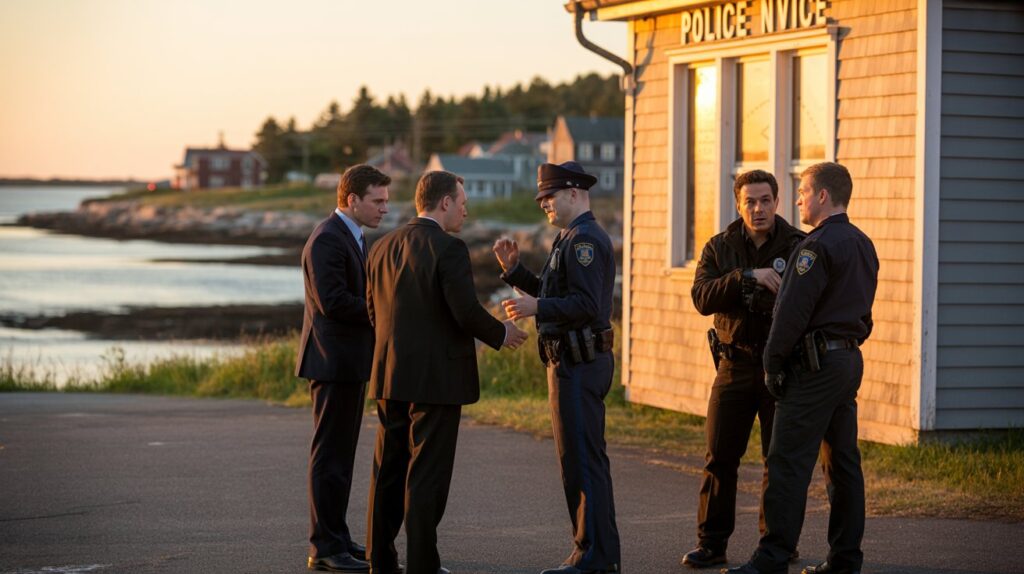
Biography Table of the Officer
Below is a structured biography of the individual at the center of the maine police officer arrested by ice case.
| Category | Details |
|---|---|
| Full Name | Jon Luke Evans |
| Nationality | Jamaican |
| Profession | Reserve Police Officer |
| Department | Old Orchard Beach Police Department |
| Arrival in United States | September 2023 |
| Visa Status | Entered legally on visa |
| Work Authorization | Verified through federal system |
| Arrest Date | July 25, 2025 |
| Arresting Agency | U.S. Immigration and Customs Enforcement |
| Primary Allegations | Visa overstay & firearm purchase attempt |
| Legal Outcome | Granted voluntary departure |
| Public Reaction | National debate & controversy |
The biography reveals why the maine police officer arrested by ice became such a high-profile and emotionally charged case.
The Timeline of Events
Arrival and Employment
The story began when the officer legally entered the United States on a temporary visa. Resort towns in Maine often hire seasonal officers due to large summer tourist populations, and the police department used the federal E-Verify system to confirm employment eligibility.
Local officials believed they had followed proper procedures.
Hiring as a Reserve Officer
After background checks and employment verification, the officer joined the Old Orchard Beach Police Department as a reserve officer. These roles are common in tourist regions where law enforcement demand fluctuates seasonally.
At this stage, there was no public controversy.
The Firearm Purchase Attempt
The turning point in the maine police officer arrested by ice story occurred when the officer attempted to purchase a firearm. Federal authorities flagged the purchase attempt, triggering an investigation involving immigration and firearms regulations.
This single event transformed a routine employment situation into a federal case.
ICE Arrest
On July 25, 2025, federal immigration authorities arrested the officer. The arrest stunned local leaders who believed the officer had been authorized to work legally.
The arrest became headline news across the country.
Why the Arrest Happened
Understanding the maine police officer arrested by ice requires examining two key legal issues.
Visa Overstay Allegation
Federal officials stated that the officer entered legally but overstayed the original visa period. Even though employment authorization had been verified, immigration authorities argued the visa status created grounds for enforcement.
This raised a critical legal distinction between:
- Employment authorization
- Immigration status compliance
These two concepts are often confused but operate under separate legal frameworks.
Firearm Laws and Immigration Status
The firearm purchase attempt introduced another legal dimension. U.S. federal law imposes strict limitations on firearm possession for non-citizens in certain visa categories.
The attempted purchase triggered an alert that led to collaboration between multiple federal agencies.
This legal overlap ultimately led to the maine police officer arrested by ice.
Local Government Reaction
The arrest created immediate tension between local officials and federal authorities.
Police Department Response
The police chief publicly stated the department had verified employment eligibility through federal systems before hiring the officer. Local officials expressed surprise and frustration.
Their position centered on a key argument:
If federal systems approved employment, how could hiring be considered improper?
Town Officials Speak Out
Municipal leaders defended the department, emphasizing that the hiring process relied on federal verification systems designed to prevent unauthorized employment.
The case highlighted a perceived disconnect between federal agencies themselves.
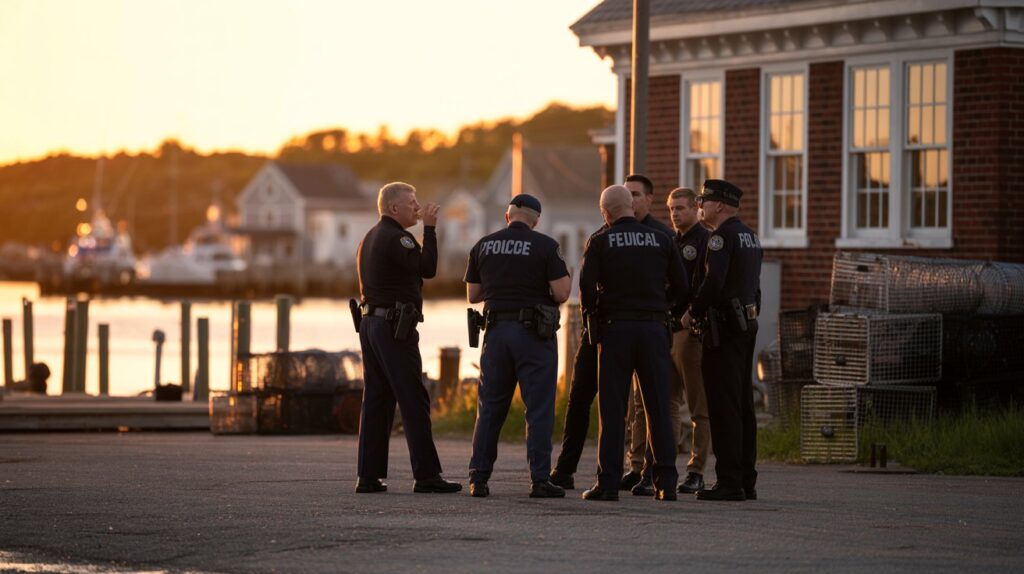
Public Debate and Media Coverage
The maine police officer arrested by ice quickly became a national talking point.
Key issues discussed included:
- Immigration enforcement practices
- Government coordination failures
- Firearm regulations
- Workforce shortages in seasonal towns
The case drew attention because it challenged assumptions about how immigration and employment systems interact.
Legal Outcome
Voluntary Departure Agreement
After legal proceedings, the officer agreed to voluntarily leave the United States. This resolution avoided prolonged litigation but did not resolve the broader controversy.
The voluntary departure marked the formal end of the legal case.
Unanswered Questions
Despite the resolution, major questions remained:
- Was there a breakdown in federal communication?
- Did local authorities rely too heavily on employment verification systems?
- Could the situation have been prevented?
These unresolved questions continue to fuel debate.
Impact on Immigration Policy Discussions
The maine police officer arrested by ice case became a symbol of broader immigration policy tensions.
Employment Verification Debate
The incident prompted renewed scrutiny of the E-Verify system and its limitations. Critics argued that employment authorization checks may not fully reflect immigration status complexities.
Law Enforcement Recruitment Challenges
Small towns across the United States often struggle to recruit enough officers, especially for seasonal roles. The case highlighted the challenges municipalities face when relying on federal systems to fill staffing gaps.
Broader Implications for Law Enforcement
The story influenced discussions about policing nationwide.
Key Lessons
- Immigration law and employment law can conflict.
- Municipal hiring practices rely heavily on federal verification.
- Firearm regulations for non-citizens remain complex.
- Coordination between agencies can be inconsistent.
The maine police officer arrested by ice became a case study in interagency communication challenges.
Public Perception and Trust
Public trust became a central theme following the incident.
Communities questioned how someone could serve as a police officer while simultaneously facing immigration enforcement. This contradiction fueled debate about transparency and accountability.
The Human Dimension
Beyond legal arguments, the case also carried a human story.
For the officer, the arrest ended a career in law enforcement and forced a life-changing decision to leave the country. For the town, it meant losing an officer during peak tourist season.
The maine police officer arrested by ice became more than a legal story—it became a human story about ambition, bureaucracy, and unexpected consequences.
Policy Lessons Moving Forward
The case provides valuable lessons for policymakers.
Improving Interagency Communication
One major takeaway is the need for better coordination between agencies responsible for employment verification, immigration enforcement, and firearm regulation.
Clarifying Legal Standards
Clearer guidelines could help municipalities avoid similar situations in the future.
Why This Case Still Matters
The maine police officer arrested by ice remains relevant because it highlights systemic challenges that extend far beyond one individual.
It illustrates how overlapping laws, administrative processes, and enforcement priorities can create unexpected outcomes.
Conclusion
The story of the maine police officer arrested by ice is a powerful example of how complex legal systems can intersect in surprising ways. It exposed gaps in communication between agencies, raised questions about employment verification, and sparked a nationwide conversation about immigration enforcement.
Although the case ended with voluntary departure, its impact continues to shape discussions about policy, law enforcement, and the future of immigration regulation.
This case serves as a reminder that behind every headline lies a deeper story—one that continues to influence public policy and public understanding long after the news cycle moves on.