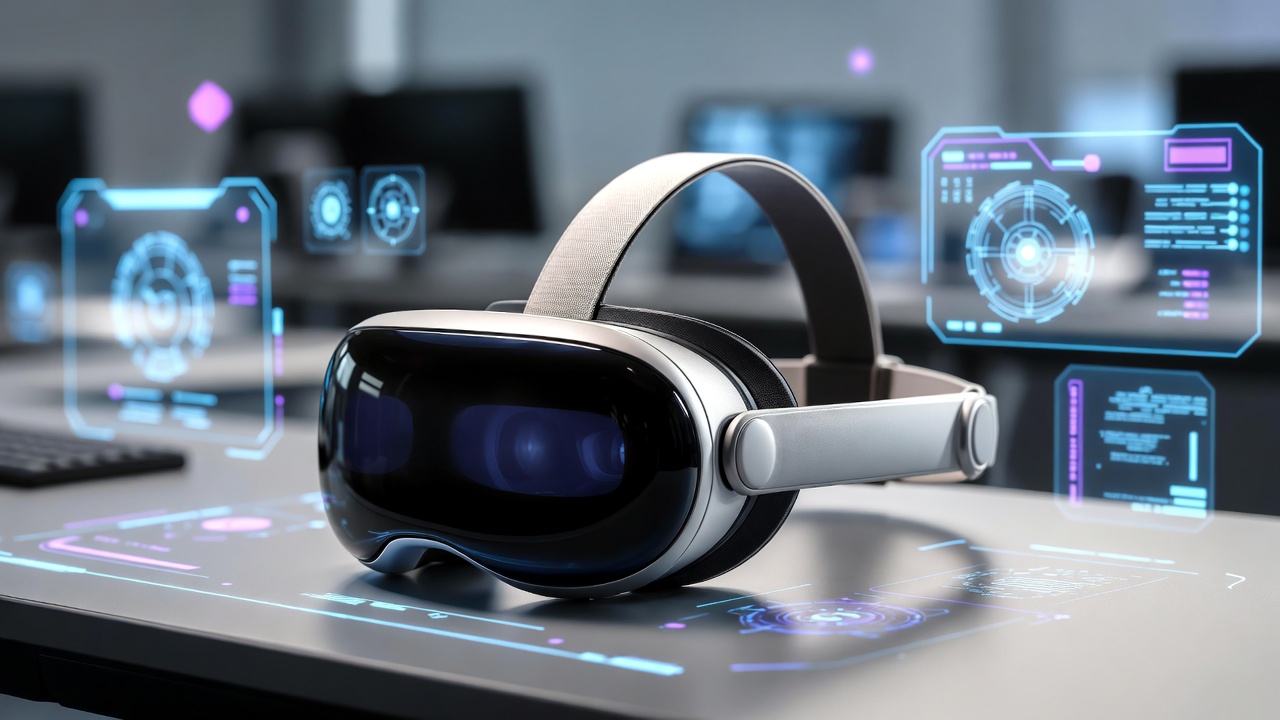
Virtual reality has evolved dramatically over the past decade, moving from experimental technology into a mainstream entertainment and productivity platform. Among the devices pushing this transformation forward is the meta quest 3, a standalone virtual reality headset that represents a major step in immersive computing. Combining advanced mixed-reality capabilities, powerful processing hardware, and a refined design, the meta quest 3 aims to redefine how users interact with digital environments.
This comprehensive article explores the design, specifications, features, ecosystem, and future implications of the meta quest 3. Whether you are a technology enthusiast, a gamer, a developer, or simply curious about modern immersive technology, understanding the meta quest 3 reveals how virtual and mixed reality are shaping the next era of computing.
Biography Table of meta quest 3
| Attribute | Details |
|---|---|
| Product Name | meta quest 3 |
| Category | Standalone Virtual Reality and Mixed Reality Headset |
| Manufacturer | Meta Platforms |
| Release Year | 2023 |
| Operating System | Meta Quest OS (based on Android) |
| Processor | Qualcomm Snapdragon XR2 Gen 2 |
| Display Type | LCD Panels with Pancake Lenses |
| Resolution | 2064 × 2208 pixels per eye |
| Storage Options | 128 GB / 512 GB |
| Tracking System | Inside-Out Tracking with Cameras |
| Controllers | Touch Plus Controllers |
| Mixed Reality Capability | Full-Color Passthrough |
| Connectivity | Wi-Fi 6E, Bluetooth |
| Primary Use Cases | Gaming, Mixed Reality, Productivity, Social VR |
| Battery Life | Approximately 2–3 hours depending on usage |
| Notable Improvement | Thinner design and improved mixed reality features |
The Evolution Leading to meta quest 3
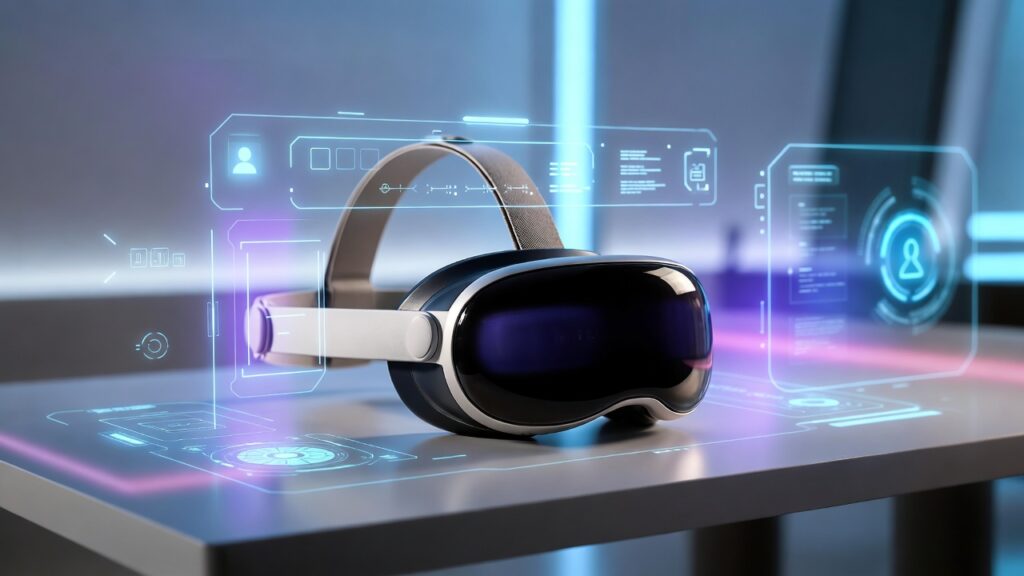
To appreciate the significance of the meta quest 3, it is helpful to understand the progression of standalone VR headsets. Early VR systems required powerful gaming computers and external sensors to function effectively. These setups were complex and expensive, limiting accessibility for mainstream consumers.
Standalone VR devices changed the landscape by integrating processing power directly into the headset. This eliminated the need for external computers and simplified the user experience. The meta quest 3 builds upon this concept, offering a self-contained device capable of delivering advanced graphics and interactive experiences without external hardware.
The development of the meta quest 3 reflects the growing ambition of immersive technology companies to move beyond gaming. Mixed reality, spatial computing, and virtual collaboration are increasingly central goals. As a result, the meta quest 3 was designed not only as a gaming platform but also as a versatile computing device.
Design and Build Quality
One of the most noticeable improvements in the meta quest 3 is its physical design. Compared with earlier VR headsets, the device is significantly slimmer and more balanced, making it more comfortable during extended sessions.
Compact and Refined Structure
The meta quest 3 uses pancake lens technology, which allows the headset to maintain high visual clarity while reducing the thickness of the optical stack. This innovation helps create a more compact profile that sits closer to the user’s face.
Improved Comfort
Comfort is a crucial factor in VR adoption. The meta quest 3 features a redesigned head strap system and improved weight distribution. These enhancements help reduce pressure on the face and improve long-term wearability.
Enhanced Sensors and Cameras
The front of the meta quest 3 includes multiple sensors and cameras responsible for tracking movement and enabling mixed reality features. These components allow the headset to map physical surroundings and blend virtual objects into real environments.
Display Technology and Visual Performance
Visual clarity is central to immersive experiences, and the meta quest 3 introduces several upgrades in this area.
High-Resolution Displays
Each eye in the meta quest 3 receives a display resolution exceeding 2000 pixels in both dimensions. This high pixel density reduces the “screen door effect” that once plagued early VR devices.
Pancake Lens System
The pancake lens system used in the meta quest 3 is a major optical advancement. These lenses use folded light paths to achieve thinner designs while maintaining high clarity across the field of view.
Improved Field of View
Although field of view varies depending on facial structure and headset positioning, the meta quest 3 offers a broader visual perspective compared to many previous standalone headsets. This wider view enhances immersion by reducing the sense of looking through a narrow window.
Processing Power and Hardware Performance
At the core of the meta quest 3 lies the Snapdragon XR2 Gen 2 processor, a chipset specifically designed for immersive devices.
Next-Generation VR Processing
This processor enables the meta quest 3 to render complex environments, high-resolution textures, and dynamic lighting effects. The result is smoother gameplay and more detailed virtual worlds.
Graphics Improvements
The graphics capabilities of the meta quest 3 are significantly improved over earlier standalone devices. Developers can now create richer environments and more complex physics simulations.
Efficient Power Management
Despite increased performance, the meta quest 3 maintains reasonable battery life. Most users can expect two to three hours of active usage, depending on application intensity.
Mixed Reality Capabilities
One of the defining features of the meta quest 3 is its mixed reality system. Unlike traditional VR, mixed reality blends virtual objects with the physical world.
Full-Color Passthrough
The meta quest 3 includes full-color passthrough cameras that allow users to see their real surroundings while wearing the headset. This feature opens the door to mixed reality applications where digital objects interact with real spaces.
Spatial Mapping
Advanced sensors allow the meta quest 3 to map rooms and detect surfaces such as tables and walls. This spatial understanding allows virtual elements to be anchored in real environments.
Practical Applications
Mixed reality on the meta quest 3 can support many use cases:
- Virtual workspaces
- Interactive design tools
- Educational simulations
- Immersive fitness applications
- Augmented gaming experiences
Controllers and Interaction
User interaction is central to any immersive platform. The meta quest 3 introduces refined Touch Plus controllers designed for improved ergonomics and tracking.
Controller Design
The controllers accompanying the meta quest 3 feature a ring-less design, making them more compact and easier to handle. Despite their smaller form factor, they maintain precise tracking.
Haptic Feedback
Enhanced haptic feedback allows the meta quest 3 controllers to simulate tactile sensations during gameplay and interactions.
Hand Tracking
Beyond controllers, the meta quest 3 also supports advanced hand tracking. Users can interact with menus, objects, and applications using natural gestures.
Software Ecosystem
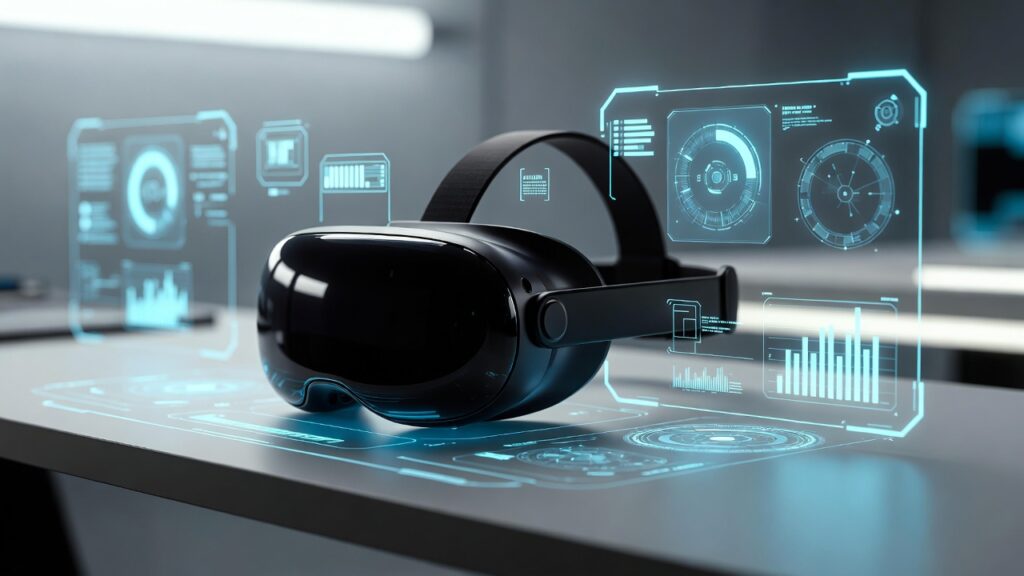
The success of the meta quest 3 is closely tied to its software ecosystem. A large library of applications supports entertainment, productivity, and social interaction.
Gaming Experiences
Gaming remains one of the strongest aspects of the meta quest 3. The headset supports a wide range of VR titles, including action games, puzzle adventures, fitness apps, and narrative experiences.
Productivity Tools
Developers are increasingly exploring productivity applications for the meta quest 3, such as virtual monitors, collaboration tools, and immersive design environments.
Social Platforms
Virtual social spaces allow users to meet, collaborate, and interact within shared environments. These platforms highlight the broader vision behind the meta quest 3 as a tool for digital communication.
Connectivity and Compatibility
The meta quest 3 supports modern wireless standards, including Wi-Fi 6E, which improves streaming performance and reduces latency.
PC VR Compatibility
Although it is a standalone device, the meta quest 3 can connect to a gaming PC for enhanced VR experiences. This allows users to access high-end VR titles that require powerful hardware.
Wireless Streaming
Wireless streaming features allow the meta quest 3 to receive high-quality visuals from a PC without physical cables, maintaining freedom of movement.
Use Cases Beyond Gaming
The versatility of the meta quest 3 extends well beyond entertainment.
Education and Training
Educational institutions can use the meta quest 3 for immersive learning environments. Students can explore historical settings, scientific simulations, and virtual laboratories.
Design and Creativity
Artists and designers can use the meta quest 3 to sculpt, paint, and prototype within three-dimensional spaces.
Fitness and Wellness
VR fitness applications have grown rapidly, and the meta quest 3 supports workouts that combine movement with interactive gameplay.
Remote Collaboration
Virtual meeting spaces powered by the meta quest 3 enable remote teams to collaborate in immersive environments.
Advantages of meta quest 3
Several factors make the meta quest 3 a compelling device in the VR market.
Key strengths include:
- Standalone operation without external computers
- High-resolution displays and improved optics
- Advanced mixed reality capabilities
- Powerful XR2 Gen 2 processor
- Extensive content ecosystem
These advantages position the meta quest 3 as one of the most advanced consumer VR headsets available.
Limitations and Challenges
Despite its strengths, the meta quest 3 still faces several limitations.
Battery Constraints
Battery life remains limited for extended sessions, requiring users to recharge or use external battery packs.
Content Development
Mixed reality experiences for the meta quest 3 are still developing, and the ecosystem will expand over time as developers explore its capabilities.
Comfort Variability
While the headset is more comfortable than previous models, individual comfort levels vary depending on face shape and strap configuration.
The Future of Spatial Computing
The meta quest 3 represents an important milestone in the evolution of spatial computing. Rather than existing solely as a gaming device, it demonstrates how immersive technologies can integrate into everyday life.
Mixed reality systems like the meta quest 3 could eventually support:
- virtual offices
- immersive education platforms
- digital design studios
- remote healthcare consultations
As software continues to evolve, the meta quest 3 may become part of a broader ecosystem of spatial computing devices.
Deduction
The meta quest 3 stands as a powerful example of how virtual and mixed reality technologies are advancing. By combining high-resolution displays, advanced sensors, powerful processing hardware, and a growing software ecosystem, the meta quest 3 pushes immersive computing closer to mainstream adoption.
While challenges remain in battery life, content development, and long-term comfort, the innovations present in the meta quest 3 illustrate the rapid progress of VR technology. As developers continue to explore its capabilities, the device may play a key role in shaping the next generation of digital interaction.
For enthusiasts, professionals, and curious newcomers alike, the meta quest 3 offers a glimpse into a future where digital worlds and physical environments merge seamlessly.