
Music production is an art of tension and release. Few moments in modern music are as emotionally charged and sonically powerful as the drop. It is the point where anticipation explodes into energy, rhythm, and movement. Understanding when should you add a drop in a track is one of the most valuable skills a producer can master, whether working in electronic music, pop, hip-hop, cinematic scores, or experimental genres.
A well-placed drop transforms a good track into an unforgettable one. A poorly timed drop, however, can make a song feel rushed, predictable, or emotionally flat. This comprehensive guide explores timing, structure, psychology, genre differences, storytelling, and technical arrangement strategies that will help you confidently decide when should you add a drop in a track.
Understanding the Purpose of a Drop
Before deciding when should you add a drop in a track, it is crucial to understand what a drop actually does.
A drop is the moment where musical tension resolves into maximum impact. It typically follows a build-up and introduces stronger rhythm, bass, drums, or a main hook. The drop acts as a payoff for the listener’s anticipation.
Why Drops Matter
A drop serves several purposes:
- Provides emotional release
- Establishes the main groove or hook
- Reinforces song identity
- Increases listener engagement
- Encourages replay value
Music without tension and release feels static. The drop is the heartbeat of modern arrangement.

The Psychology Behind Drops
To truly understand when should you add a drop in a track, we must explore listener psychology.
Human brains crave anticipation and reward. When listeners hear a build-up, they subconsciously expect a payoff. If the drop arrives at the perfect moment, dopamine levels rise, and the experience becomes memorable.
The Anticipation Curve
A drop works best when tension gradually increases. This curve involves:
- Curiosity
- Suspense
- Expectation
- Impact
- Satisfaction
Adding a drop too early eliminates suspense. Adding it too late causes fatigue. Timing is everything.
Song Structure Fundamentals
The next step in understanding when should you add a drop in a track is studying common song structures.
Most modern tracks follow a predictable arrangement pattern because it aligns with listener expectations.
Typical Structure Example
- Intro
- Verse or Intro Groove
- Build-Up
- Drop
- Breakdown
- Second Build-Up
- Bigger Drop
- Outro
This structure exists because it keeps listeners emotionally engaged while providing variation.
The Golden Timing Rule
Producers often follow a simple principle when deciding when should you add a drop in a track:
The first drop usually arrives between 45 seconds and 1 minute 15 seconds.
Why this timing works:
- It allows enough introduction for context
- It prevents listener impatience
- It aligns with streaming attention spans
- It matches radio and playlist expectations
In shorter modern songs, the first drop may appear even earlier, around 30–45 seconds.
Early Drops vs Late Drops
Knowing when should you add a drop in a track also depends on the emotional goal of the song.
Early Drops
Best for:
- Streaming platforms
- Pop music
- Viral short-form content
- Dance and club tracks
Early drops capture attention quickly.
Late Drops
Best for:
- Cinematic music
- Progressive electronic genres
- Story-driven songs
- Emotional ballads
Late drops build deeper emotional investment.
Genre-Specific Drop Timing
Different genres answer when should you add a drop in a track differently.
Electronic Dance Music
Drop timing: 30–60 seconds
EDM audiences expect quick energy and rhythm.
Pop Music
Drop timing: 40–70 seconds
Pop requires balance between melody and impact.
Hip-Hop and Trap
Drop timing: 20–40 seconds
Listeners expect groove quickly.
Progressive House and Trance
Drop timing: 60–120 seconds
Longer builds create epic emotional payoff.
Cinematic and Orchestral
Drop timing: flexible
Often delayed for storytelling.
The Role of the Build-Up
You cannot decide when should you add a drop in a track without designing the build-up.
A drop is only as strong as the tension before it.
Elements of a Strong Build-Up
- Rising pitch or risers
- Increasing drum intensity
- White noise sweeps
- Snare rolls
- Automation of filters and volume
- Silence before impact
The build-up should feel like a rising roller coaster.
Silence Before the Drop
A professional trick when considering when should you add a drop in a track is using silence.
A brief pause before the drop amplifies impact dramatically.
Even half a second of silence creates shock and excitement. The brain expects continuation, and the sudden drop delivers a powerful surprise.
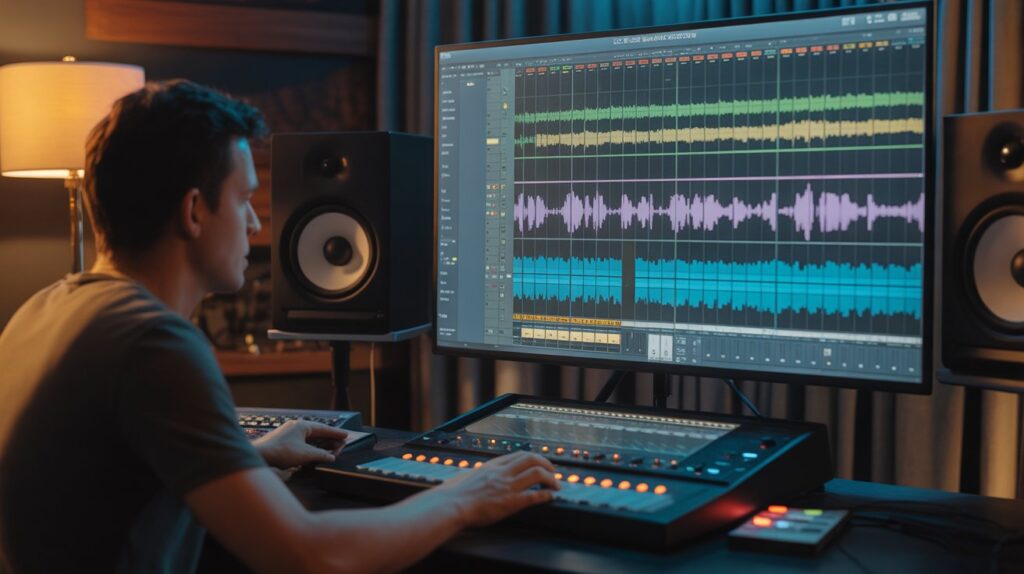
Energy Mapping Across the Track
Professional producers visualize the track as an energy curve.
To master when should you add a drop in a track, map the energy from start to finish.
Energy Curve Stages
- Low energy: Intro
- Medium energy: Verse
- Rising energy: Build-Up
- Peak energy: Drop
- Recovery: Breakdown
- Higher peak: Final Drop
Each drop should feel bigger than the previous one.
The First Drop vs The Second Drop
One of the most overlooked aspects of when should you add a drop in a track is the difference between drops.
First Drop
- Introduces the main groove
- Establishes identity
- Leaves room for growth
Second Drop
- Bigger and more complex
- Adds new elements
- Delivers final climax
The second drop should feel like the ultimate payoff.
Common Drop Timing Mistakes
Even experienced producers struggle with when should you add a drop in a track.
Mistake 1: Dropping Too Soon
The listener has no emotional investment yet.
Mistake 2: Dropping Too Late
The listener loses patience.
Mistake 3: Weak Build-Up
The drop feels disconnected.
Mistake 4: No Variation Between Drops
The track feels repetitive.
The Emotional Storytelling Approach
Another way to decide when should you add a drop in a track is storytelling.
Imagine the track as a movie:
- Intro = Opening scene
- Build-up = Rising conflict
- Drop = Climax
A drop should feel inevitable and satisfying.
Arrangement Techniques for Perfect Timing
Technical arrangement helps determine when should you add a drop in a track.
Use 8-Bar and 16-Bar Phrases
Music feels natural in repeating phrases. Drops usually land after:
- 16 bars
- 32 bars
- 48 bars
This aligns with listener expectations.
Testing Your Drop Timing
A practical method for deciding when should you add a drop in a track is audience testing.
Try these techniques:
- Step away and listen fresh
- Observe listener reactions
- Compare with reference tracks
- Watch crowd response in live settings
If the drop feels surprising yet expected, the timing is right.
Streaming Era Considerations
Modern listening habits changed when should you add a drop in a track.
Streaming platforms reward songs that:
- Capture attention quickly
- Avoid long intros
- Deliver hooks early
This is why many modern hits drop earlier than older songs.
Creating Multiple Drops
Modern tracks often feature multiple drops. Understanding when should you add a drop in a track includes spacing them correctly.
Typical spacing:
- First drop: 0:45 – 1:00
- Second drop: 2:00 – 2:30
- Final drop: 3:00+ (optional)
Each drop should escalate energy.
Drop Variations That Keep Listeners Hooked
To master when should you add a drop in a track, you must vary drops.
Variation ideas:
- Change bass pattern
- Add vocal chops
- Switch drum rhythm
- Introduce new melody layer
- Increase harmonic complexity
Variation prevents listener fatigue.
Producer Biography Table
The concept of mastering drops often follows a producer’s journey. Below is a structured “producer biography” style table representing the typical evolution of a drop-focused music creator.
| Stage | Experience Level | Focus | Drop Approach |
|---|---|---|---|
| Beginner Producer | 0–1 years | Learning DAW & arrangement | Drops often too early or late |
| Developing Producer | 1–3 years | Understanding song structure | First successful drop timing |
| Intermediate Producer | 3–5 years | Genre specialization | Confident first & second drops |
| Advanced Producer | 5–8 years | Emotional storytelling | Strategic build-ups & variation |
| Professional Producer | 8+ years | Signature sound design | Drops become defining trademark |
This “biography pattern” shows how mastering when should you add a drop in a track evolves over time.
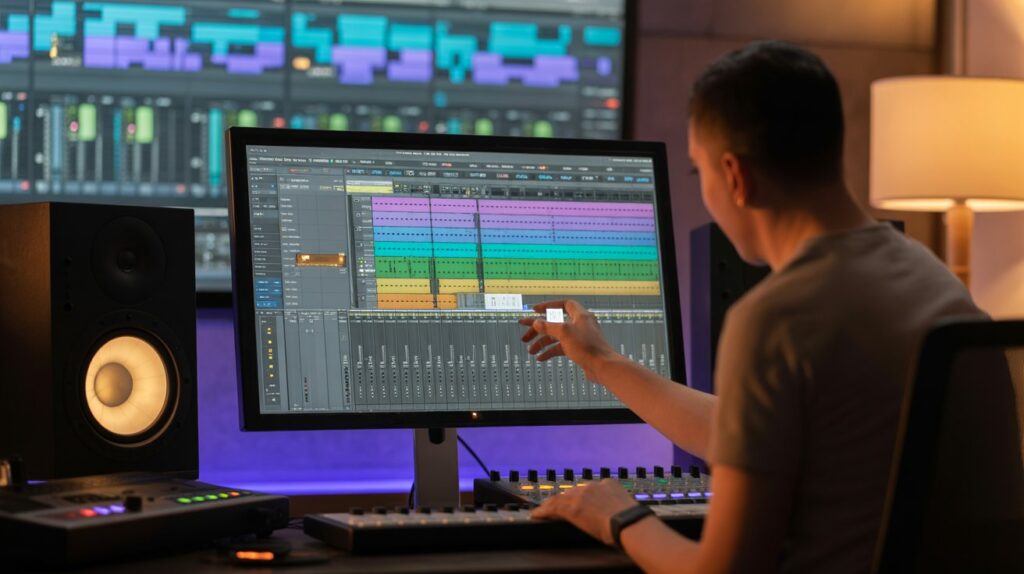
The Future of Drops in Music
Trends continuously reshape when should you add a drop in a track.
Emerging trends include:
- Shorter song formats
- Faster drop arrival
- Hybrid genre drops
- Cinematic sound design
- Viral social media hooks
The drop remains central to modern production.
Final Thoughts
Understanding when should you add a drop in a track is both science and art. Timing depends on structure, psychology, genre, storytelling, and audience expectations.
The perfect drop:
- Feels inevitable
- Feels surprising
- Feels emotionally satisfying
When the timing is right, listeners feel the music rather than analyze it. That moment of impact is what keeps audiences returning again and again.
Master the tension. Respect the build-up. Deliver the release. And your drops will transform your tracks into unforgettable experiences.