How to Create a Calm Living Space Without Spending a Fortune
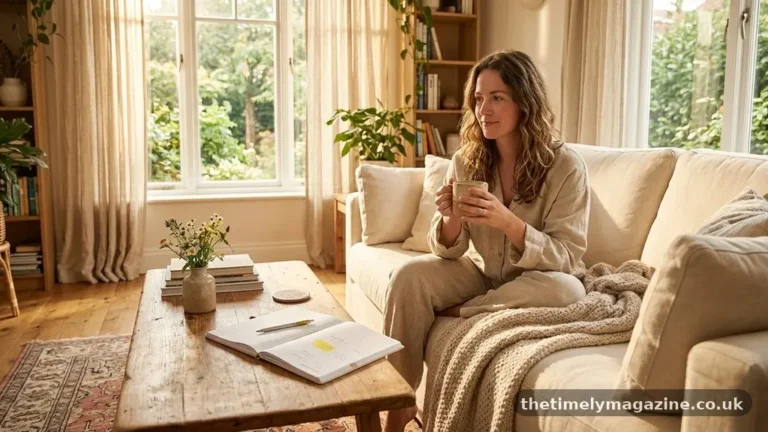
Creating a Calm Living Space Without Spending a Fortune starts with changing what your room asks you to notice, not buying a matching furniture set. Clear visual clutter, improve the furniture layout, soften harsh light, and give everyday items a designated home before spending money on decoration.
These changes can make a small flat, busy family room, or rented bedroom feel more restful within a weekend. The most useful approach is selective: keep what supports comfort, move what interrupts it, and add only a few affordable details that make the room easier to live in.
Start With the Changes That Cost Nothing
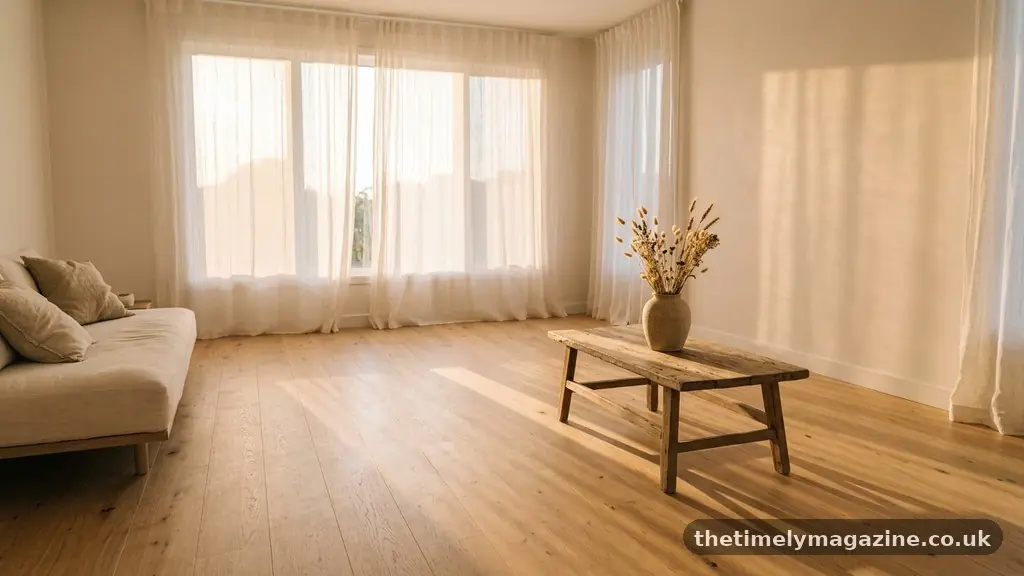
The fastest route to a calmer room is usually removing friction rather than adding objects. Walk through the space and identify anything that makes you pause, search, squeeze past furniture, or visually process a crowded surface. A pile of unopened mail beside the sofa, shoes gathered near the doorway, and cables spilling from a television stand all create small interruptions that accumulate into sensory overload.
Begin with one visible zone, such as the coffee table or the floor around the sofa. Remove rubbish, return misplaced items to their proper rooms, and put uncertain objects into a temporary box rather than making a decision under pressure. If you don’t use something within a month and it has no clear practical or sentimental value, consider donating, recycling, or selling it.
Decluttering works best when it is specific. Instead of promising to “sort the whole living room,” choose five categories: paperwork, clothing, dishes, cables, and decorative items. Set aside anything that belongs elsewhere, then deal with each category separately so the project doesn’t become an exhausting pile in the middle of the room.
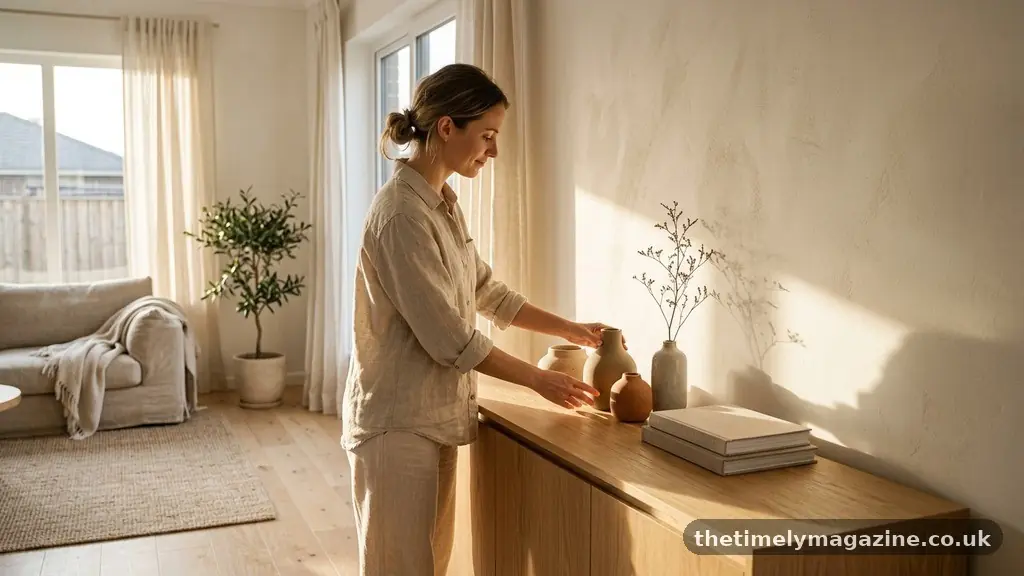
Surfaces deserve special attention because they sit directly in your line of sight. Leaving one table mostly clear can have a bigger visual effect than buying several decorative pieces, especially if that surface is the first thing you see when you enter. Keep one useful item, such as a lamp or tray, and let the remaining space breathe.
Use a simple three-question filter for possessions: Do I use it? Do I love it?
Does it support the way I want this room to feel? An item doesn’t need to satisfy all three questions, but keeping dozens of objects that answer none of them makes a room harder to maintain.
Before moving on, take a photograph from the doorway. The camera reveals crowded corners and awkward groupings that are easy to overlook while standing inside the room. This small step gives you a neutral reference point and helps you notice improvement without relying on memory.
Build a Furniture Layout Around Ease
A calm home feels easy to move through. Measure the main walking route from the entrance to the seating area, kitchen, balcony, or bedroom, then protect that route from baskets, footstools, and badly positioned chairs. Even in a compact room, a clear path can make the space seem larger and less demanding.
Arrange furniture around the activity that matters most. If the room is used for conversation, place seating close enough for comfortable speech rather than pushing every piece against a wall. If reading is the priority, angle a chair toward natural light and add a nearby surface for a book, drink, or lamp.
Don’t assume that every large item belongs against a wall. A sofa positioned slightly away from the wall can create a defined seating area, while a narrow console behind it may provide storage without making the centre of the room feel crowded. In a very small room, however, leaving a clear perimeter may be more practical than copying a magazine layout.
Use the furniture you already have before shopping. Try three arrangements and live with each one for a full day, because a layout that looks balanced in a quick experiment may become irritating during ordinary routines. Notice whether drawers open fully, whether people can sit without blocking a doorway, and whether cords reach outlets safely.
Here is a useful low-cost sequence for resetting a living room:
- Remove small items from the floor and major surfaces.
- Mark the main walking route with temporary objects such as books or cushions.
- Move the largest seating pieces first, keeping the room’s main purpose in mind.
- Place tables and lamps where they support actual behaviour rather than symmetry.
- Return only the accessories that improve comfort, function, or personal meaning.
Furniture layout also affects sound. Hard surfaces facing one another can make voices and television noise bounce around, while a rug, curtain, upholstered chair, or filled bookcase can absorb some of that sharpness. You don’t need acoustic panels to make a room feel quieter; changing the mix of surfaces often helps.
Use Light to Shape the Mood
Lighting can change the emotional character of a room more dramatically than a new colour scheme. During the day, clear curtains, clean windows, and an unobstructed path for natural light may do more than any purchased lamp. Move tall plants, shelving, or bulky furniture away from the brightest window if they block light from reaching the rest of the room.
Observe the room at different times rather than judging it only at noon. A window may provide soft morning light but leave a dark corner in late afternoon, which means that one ceiling fixture is unlikely to serve every need. Mapping these changes helps you spend on the right improvement instead of adding random lamps.
A single overhead light often creates glare and deep shadows. Layering ambient lighting with a table lamp, floor lamp, or wall light gives you control over brightness and makes the room feel less exposed in the evening. If buying new fixtures isn’t possible, change the bulb in an existing lamp and use it in a darker corner.
Warm-toned bulbs generally create a cozy atmosphere in spaces used for relaxing, while cooler light may be useful at a desk or near a craft area. Check the colour description on the packaging rather than guessing from the bulb’s appearance. A dimmer switch can be valuable, but a pair of low-cost lamps placed at different heights may offer a similar sense of control.
Keep lighting useful, not decorative for its own sake. A lamp beside a reading chair should illuminate the page without shining into your eyes, and a light near the entrance should make it easier to put away keys and bags. When fixtures support clear routines, the room feels calmer because fewer tasks require improvisation.
Mirrors can help distribute daylight, but placement matters. Put one on a wall that reflects a window or a bright section of the room, not directly opposite a cluttered shelf. A secondhand mirror with a plain frame can provide this benefit without turning the room into a display of reflective surfaces.
For practical information about ventilation, pollutants, and other factors that affect indoor comfort, consult the U.S. Environmental Protection Agency’s indoor air quality resources. Fresh air, safe heating, and clean filters matter more than styling when a room feels stuffy or irritating.
Choose Colour and Texture With Restraint
A calming color palette doesn’t have to mean an all-white room. Soft greens, muted blues, warm creams, clay tones, and gentle greys can all feel restful when they work with the room’s existing light. The important choice is reducing visual conflict, so avoid adding several strong accent colours that compete for attention.
Test colour in the actual room before painting. A shade that looks beige in a bright shop can appear yellow beside warm wood or grey beside north-facing light. Paint a piece of cardboard, place it near the window and seating area, and watch it through morning, afternoon, and evening.
If a full repaint isn’t in the budget, change the colour balance through small pieces. A plain cushion cover, fabric lampshade, curtain panel, or thrifted artwork can introduce a quieter tone without covering every wall. Reusing existing frames and swapping only their contents is a particularly inexpensive way to shift the visual mood.
Texture prevents a muted room from feeling flat. Soft textiles such as a washable throw, cotton cushion covers, a woven basket, or a small rug can make hard furniture feel more welcoming. Choose a few different textures in related colours rather than buying a complete set that makes the room look overly coordinated.
Fabric also affects how a room sounds and feels physically. A curtain can soften echoes, a rug can make footsteps quieter, and a knitted throw can add warmth on a cold evening. These details are practical, not merely decorative, which makes them better purchases when money is limited.
Be careful with visual patterns if you already feel overwhelmed by a crowded space. One patterned cushion or framed print can provide personality, while several competing motifs may recreate the busyness you’re trying to reduce. Keep the largest surfaces relatively quiet and use bolder details in small, easy-to-change areas.
Minimalist home decor is less about owning very little than making each visible item earn its place. A favourite photograph, handmade bowl, or inherited chair can remain central in a calm room if surrounding objects are edited thoughtfully. Personal meaning often creates more comfort than expensive styling.
Add Nature Without Turning It Into a Shopping List
Indoor plants can make a room feel alive, but you don’t need a collection of rare specimens. Start with one plant suited to the light and your watering habits, then place it where you will actually notice its shape. A healthy, inexpensive plant in a plain pot is more restful than several neglected plants crowded onto a windowsill.
Before buying greenery, check whether the room receives direct sun, indirect light, or very little daylight. Ask a local nursery for a hardy option that matches those conditions, and use a secondhand ceramic pot or a clean container you already own. Poor placement is a common reason affordable plants become disappointing purchases.
Biophilic design can be simple and free. A bowl of stones, a piece of untreated wood, a view of trees, dried grasses, or photographs of a favourite landscape can introduce natural shapes and materials without filling every surface with plants. The aim is a visual connection with nature, not a themed showroom.
Natural materials can also soften the atmosphere. A wooden stool, rattan basket, linen cushion, or paper lampshade brings variation to a room dominated by plastic, metal, or glossy finishes. You may already have useful pieces hidden in another room, so shop your own home before visiting a store.
Nature-inspired choices should still respect maintenance. Plants that drop leaves, attract pests, or need constant misting may add work rather than calm. Choose a manageable number, place saucers underneath pots, and keep watering tools together so care becomes a short routine instead of another scattered task.
Fresh air and cleanliness matter alongside appearance. Dust broad leaves gently, wash fabric covers when needed, and avoid overwatering containers without drainage. A beautiful room that smells damp or gathers allergens will not deliver the peaceful experience its styling suggests.
Consider seasonal changes as a free design resource. Cut branches, fallen leaves, or a small arrangement of herbs can bring natural variation to a table, provided they are gathered responsibly and kept clean. Rotating one natural feature keeps the room interesting without creating a permanent accumulation of objects.
Find Affordable Storage and Decor
Budget-friendly organization begins with matching storage to the way you actually use things. If remote controls, chargers, and reading glasses are always scattered beside the sofa, a small tray or lidded box should live there. Storage that requires a trip across the room is less likely to be used consistently.
Secondhand furniture can solve both practical and visual problems. A solid side table, narrow bookcase, or wooden chest may cost less than a new flat-pack piece while offering better character and durability. Inspect joints, odours, drawers, and signs of moisture before buying, and measure your room and doorway carefully.
Use baskets for soft, irregular items and boxes for smaller categories. A basket beside a chair can hold blankets, while a labelled box inside a cabinet can contain cables or board-game pieces. Matching every container isn’t necessary; grouping them by material or colour is enough to stop storage from looking accidental.
Vertical storage often creates space without taking much floor area. A simple shelf can hold books, a small plant, and one framed picture, but don’t fill it edge to edge. Leave some open space so the shelf remains useful rather than becoming another dense visual block.
DIY home decor can be practical when it improves something you already own. Paint a tired frame, replace cabinet handles, hem a fabric remnant into a cushion cover, or turn a sturdy crate into a low shelf after checking that it is stable. Choose projects that can be completed in one sitting, because unfinished craft supplies quickly become clutter themselves.
Look at local reuse groups, charity shops, community swap events, and online marketplaces for inexpensive pieces. Ask about dimensions, smoking history, pets, and delivery before arranging a collection. A bargain is not a bargain if it requires expensive transport or cannot fit through the entrance.
Keep a small “buy later” list rather than purchasing in response to every empty corner. Record the exact item needed, its maximum dimensions, and the highest price you would pay. This pause protects the budget and helps you notice whether the room actually needs anything else after living with the new arrangement.
| Room problem | Low-cost response | What to check first |
|---|---|---|
| Cluttered coffee table | Use one tray and remove duplicate objects | Which items are used daily? |
| Dark reading corner | Move a lamp or reuse a brighter bulb | Where does daylight fall? |
| Blank, echoing room | Add a rug, curtain, or soft throw | Can existing textiles be moved? |
| Loose cables | Group chargers in a labelled box or sleeve | Which devices still need power? |
| Unused wall space | Add one shelf or a rearranged picture group | Can the wall support the weight? |
Make Comfort Work for Your Senses
A calm living space should feel good to your whole body, not merely look tidy in a photograph. Notice sound, temperature, smell, glare, and touch at the times you use the room most. A visually attractive arrangement may fail if a chair is uncomfortable, a fan rattles, or a television remains visible from every seat.
Reduce sensory overload by controlling the most persistent source first. If street noise is the problem, close curtains during busy periods, move seating away from the window, or use a bookcase as a buffer on an adjoining wall. If visual noise is the issue, conceal open storage and reduce the number of items displayed.
Comfortable seating doesn’t require a new sofa. Add a firm cushion to improve support, place a folded blanket over a worn arm, or reposition a chair so it isn’t exposed to a draught. Test the change for several evenings before deciding that the furniture itself must be replaced.
Scents should be subtle and optional. Open a window when practical, wash soft furnishings, empty bins regularly, and investigate damp smells instead of covering them with strong fragrance. Candles and diffusers may suit some households, but they aren’t essential to creating a soothing room and can bother people sensitive to scent.
Temperature affects how long people can comfortably rest. Block a draught with a rolled towel while you plan a permanent repair, keep throws where they are easy to reach, and avoid positioning seating directly beside a radiator or air-conditioning outlet. Small changes to placement can improve comfort without increasing energy use.
Digital clutter is part of the atmosphere too. Hide unused devices, route cables along the back of furniture, and choose a charging point that doesn’t dominate the room. If the television is the visual focus but you want a quieter feel, turn the screen off fully and place a simple object in front of it when it isn’t in use.
Keep one deliberately low-stimulation place. It might be a chair by a lamp, a clear corner with a cushion, or a small section of the sofa without piles of books and devices. This gives you somewhere to pause, even if the rest of the home has to serve several purposes.
Keep the Calm From Disappearing
The best room reset is one you can maintain during an ordinary week. Create a five-minute evening routine: return loose items, fold the throw, clear the main surface, and place dishes in the kitchen. Short repetition prevents a large weekend clean-up from becoming the only way to recover the room.
Give incoming objects a landing place. A bowl near the entrance can hold keys, a hook can take a bag, and a slim file or box can contain paperwork that needs attention. These solutions work because they intercept clutter before it travels through the house.
Use a one-in, one-out rule for categories that tend to multiply, such as cushions, mugs, books, and decorative items. When a new piece enters, decide which existing piece has become less useful. This keeps the room’s visual density stable while still allowing your taste to change.
Review the space at the start of each season. Wash curtains or cushion covers according to their care labels, rotate textiles, check plant health, and remove objects that have migrated into the room. Seasonal editing is more manageable than waiting until every surface needs attention.
Don’t confuse calm with permanent perfection. A family room will contain toys, work materials, laundry, and half-finished projects; the goal is to make recovery easy, not to erase evidence of living. A good storage solution lets the room return to a comfortable baseline without demanding hours of effort.
Track spending separately from decorating ideas. Write down what you already own, what can be repaired, and what would genuinely improve daily life. If a purchase does not solve a defined problem or support a repeated activity, leave it on the list for a week before deciding.
Take another doorway photograph after a month. Compare how the room functions, not just how it looks: Can you find essentials quickly? Is the walking route clear?
Do you use the comfortable chair? Those answers tell you more than a short-lived burst of visual tidiness.
Questions Readers Often Ask
What is the first thing to change in a stressful room?
Clear the main sightline and the most-used walking route first. Removing rubbish, misplaced items, and unnecessary objects from one prominent surface often creates an immediate sense of order before you spend any money.
Can a calm room still have colour and personality?
Yes. A calming color palette can include warm, muted, or nature-based shades while leaving room for artwork, books, and meaningful objects. Keep the largest surfaces relatively quiet, then use a few personal pieces as intentional accents.
How can I make a rental feel calmer without painting?
Change lighting, furniture layout, textiles, and storage before touching the walls. Reversible options such as lamps, removable hooks used according to the lease, curtains, rugs, and secondhand furniture can substantially change the atmosphere without permanent alterations.
Are indoor plants necessary for a peaceful home?
No. Plants can support a natural feeling, but they are optional. Natural light, clean air, soft textiles, uncluttered surfaces, and comfortable seating can create the same sense of ease, especially in rooms with poor growing conditions.
How do I stop the room becoming cluttered again?
Assign homes to frequently used items and perform a short reset each evening. A tray, basket, hook, or labelled box works only when it sits close to the activity it supports, so place storage where objects naturally collect.
Let the Room Support Your Real Life
Creating a Calm Living Space Without Spending a Fortune is mainly an exercise in attention: notice what interrupts you, remove what you don’t need, and make useful things easier to reach. Start with one surface, one walking route, and one lighting improvement rather than trying to redesign the entire home at once.
Use what you own, buy slowly, and let comfort guide the final choices. A clear layout, gentle light, practical storage, and a few meaningful textures can create a room that feels welcoming without looking expensive. Give the changes a week, then adjust what doesn’t serve you.