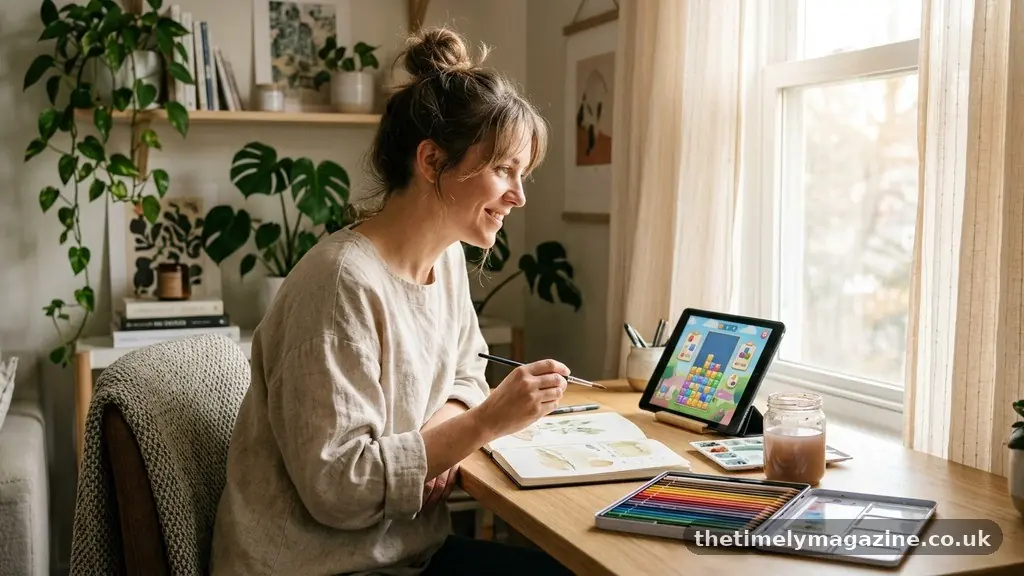
How to Choose Hobbies That Fit Your Budget and Free Time
Choosing Hobbies That Fit Your Budget and Free Time can turn spare moments into something restorative rather than another source of pressure. The right activity should match your available money, energy, space, and attention—not an idealised version of your life.
A good hobby can cost nothing, use ten minutes at a time, or become a more serious investment later. By comparing startup expenses, ongoing expenses, time commitment, and the kind of enjoyment you want, you can choose something sustainable and still leave room for work, family, rest, and unexpected plans.
Start With Your Real Limits
The best answer to how to choose hobbies that fit your budget and free time begins with an honest snapshot of both. Write down the amount you could spend in a typical month without borrowing, skipping essentials, or feeling guilty, then look at the time you actually have after work, care responsibilities, sleep, and errands.
Your available time may be less predictable than your calendar suggests. A person with two free hours on Sunday has a different set of options from someone who has fifteen-minute gaps on weekday evenings, even if their total weekly availability looks similar.
Divide your spare time into three categories: reliable blocks, flexible gaps, and rare opportunities. Reliable blocks suit activities such as joining a choir rehearsal or attending a weekly class, while flexible gaps work better for reading, sketching, language practice, or short walks.
Money deserves the same practical treatment. A hobby budget should include the first purchase, recurring supplies, transport, membership fees, repairs, and the temptation to buy upgrades before you know whether you enjoy the activity.
- Money limit: decide what you can spend monthly and annually without affecting essentials.
- Time pattern: identify whether your free time comes in short bursts, regular evenings, or occasional long sessions.
- Space: check whether the activity needs a desk, storage, outdoor access, or a dedicated room.
- Energy: separate hobbies that restore you from those that require intense concentration or physical effort.
- Social preference: decide whether you want solitude, instruction, teamwork, or casual community contact.
These limits aren’t barriers to creativity. They help you avoid choosing a hobby that looks appealing online but becomes stressful because every session requires travel, setup, cleaning, or expensive equipment.
Separate Startup and Ongoing Costs
Hobby costs often appear manageable because people focus on the first item they need. A second-hand camera might be affordable, for example, but the full cost could also include memory cards, software, batteries, transportation, printing, and eventual repairs.
Make two columns before committing: startup expenses and ongoing expenses. Startup expenses cover equipment and supplies required to begin, while ongoing expenses include consumables, lessons, subscriptions, entry fees, replacement parts, and travel.
| Hobby type | Typical startup question | Ongoing cost to check | Time issue to consider |
|---|---|---|---|
| Reading | Can you use a library or existing device? | Books, memberships, or digital purchases | Works in short or long sessions |
| Running | Do you already have suitable shoes? | Shoe replacement, events, and travel | Requires regular recovery and weather planning |
| Painting | Which basic materials are genuinely necessary? | Paint, paper, canvases, and cleaning supplies | Setup and drying can extend each session |
| Gardening | Do you have access to soil, containers, or outdoor space? | Seeds, compost, tools, water, and seasonal plants | Plants need attention on a schedule |
| Music | Can you borrow or rent an instrument? | Lessons, maintenance, accessories, or venue fees | Practice benefits from consistent sessions |
Use a waiting period before buying specialist equipment. Borrow an item from a friend, rent it, attend a taster session, or try a free version of the activity first.
This approach matters because enthusiasm is strongest at the beginning. Waiting a week or two reveals whether the hobby still appeals after the novelty fades, and it protects your savings from purchases that end up unused in a cupboard.
Low-cost hobbies can still have hidden expenses. Hiking may involve transport and weatherproof clothing, while baking may require ingredients that don’t fit your normal grocery routine, so examine the entire activity rather than labelling it free or expensive too quickly.
Match the Hobby to Your Time Pattern
Time commitment is often more important than price. An inexpensive activity that demands a weekly commute, advance booking, and lengthy preparation may be harder to sustain than a hobby with a modest fee that starts at home immediately.
Think in session sizes. Hobbies that work in five-to-fifteen-minute bursts include journaling, stretching, language flashcards, bird identification from a window, and reading a few pages, while activities such as pottery or team sport usually need a larger uninterrupted block.
Short sessions and interrupted days
Choose activities with a quick start if your schedule changes often. A small sketchbook, a downloadable library book, a puzzle app, or a compact craft kit can remain available without forcing you to protect a whole evening.
Keep the materials visible and ready. If writing requires clearing a table, finding a charger, opening several files, and searching for ideas, a ten-minute gap may disappear before you begin.
Predictable weekly time
Regular free time supports hobbies that improve through repetition. Learning an instrument, attending dance classes, practising a sport, or joining a local club becomes easier when the same day and time are protected each week.
Don’t fill every available slot with an activity. A schedule with one planned hobby session and one optional session leaves room for tired days, invitations, appointments, and the simple need to do nothing.
Occasional longer blocks
People with irregular schedules can choose hobbies that reward immersion without requiring daily maintenance. Photography walks, woodworking, day hikes, model building, and longer cooking projects may fit a weekend pattern better than a group that expects attendance every Tuesday.
Before joining anything, ask how much time sits around the main activity. A ninety-minute class may become a three-hour commitment after travel, changing clothes, waiting, and returning home.
Choose by Energy, Not Just Interest
Interest gets you to a hobby once; the way it makes you feel determines whether you return. Someone who spends the day in meetings may want quiet handwork, while someone working alone may prefer a lively class with conversation and shared goals.
List activities under three headings: calming, energising, and absorbing. Reading, knitting, gentle gardening, and drawing may help you slow down; cycling, dancing, swimming, and outdoor activities may restore energy through movement; coding, chess, photography, and detailed crafts can provide deep concentration.
Your ideal choice may change across the week. A demanding creative hobby could feel rewarding on Saturday morning but frustrating after a long workday, so keeping a lighter option available prevents one activity from carrying every emotional need.
Physical access matters too. A hobby can be enjoyable in theory but unsuitable if it aggravates an injury, requires standing for long periods, or depends on travel that you cannot manage comfortably. Adaptations such as seated gardening, audio instruction, larger tools, or shorter routes can make an activity workable.
Consider sensory preferences before spending money. Some people love the smell and texture of cooking ingredients, while others find flour, noise, or cleanup unpleasant; a quick trial can reveal these details more clearly than a polished online video.
Energy also affects the best hobby schedule. Put high-focus activities at the part of the day when you are alert, and reserve simple maintenance tasks—such as watering plants, sorting photos, or preparing supplies—for lower-energy periods.
A hobby should give something back. It doesn’t need to make you productive, build a career, or produce an impressive result, but it should leave you feeling that the time was well spent.
Explore Budget-Friendly Options First
Budget-friendly hobbies are not limited to passive entertainment. Many provide skill development, social contact, exercise, or creative expression without requiring a large purchase at the start.
Libraries are useful beyond borrowing books. Depending on the local branch, you may find digital lending, talks, reading groups, craft events, music resources, or access to tools and equipment through community partnerships.
Outdoor activities can also keep costs controlled. Walking, urban photography, nature observation, geocaching, free community exercise sessions, and visiting public gardens may require little more than suitable clothing and a way to reach the location.
DIY hobbies are another practical category. Repairing clothes, making greeting cards from paper you already own, upcycling furniture, cooking from seasonal ingredients, and learning basic home maintenance can turn existing materials into useful projects.
Creative hobbies don’t need a professional supply collection. Start with one medium—pencil, recycled paper, inexpensive yarn, a borrowed instrument, or a phone camera—and set a small project such as one drawing, one song, or one repaired item.
Local clubs and community groups may offer lower-cost access to equipment, instruction, and companionship. Ask about guest visits, sliding-scale fees, shared materials, volunteer exchanges, and whether beginners can attend before paying for a full membership.
Online learning can help, but free content varies in quality. For public information about choosing activities, community participation, and wellbeing, the NHS advice on activities that support mental wellbeing offers a useful starting point without turning every hobby into a purchase.
Free doesn’t always mean best. A no-cost activity that leaves you bored will cost you attention and motivation, while a modestly priced class that you attend consistently may offer better value over a year.
Test Before You Commit
A trial period is the safest way to compare a hobby with your real life. Give an activity two or three sessions, unless it involves a significant safety concern, and record how much time it takes from preparation through cleanup.
Use a simple test question after each attempt: did I enjoy doing it, or did I mainly enjoy imagining myself as someone who does it? The difference is important because attractive equipment, inspiring videos, and aspirational identities can make an activity seem more satisfying than the activity itself.
Notice friction points. You may like painting but dislike washing brushes, enjoy cycling but hate storing the bike, or love cooking but resent shopping for unusual ingredients. A hobby with one manageable inconvenience can work; several repeated obstacles usually erode consistency.
Borrowing is particularly useful for equipment-heavy activities. A friend may lend you a guitar, camping stove, sewing machine, telescope, or sports gear, and a local group may provide a supervised introduction before you decide whether ownership makes sense.
Keep receipts and avoid buying a complete setup immediately. Starter kits often include items that don’t suit your preferred style, and experienced hobbyists frequently discover that a smaller, simpler collection meets their needs.
Set a stopping rule for each experiment. If you haven’t used the equipment after a month, pause further purchases; if you enjoy the activity but lack time, reduce its scale rather than abandoning it completely.
Testing also exposes your actual skill level. Beginners may need instruction, while experienced people might need a more challenging version to stay interested, so choose resources that match what you can do now rather than what an expert demonstrates online.
Build a Sustainable Hobby Budget
A hobby budget works best when it is specific. Instead of saying you’ll spend less, decide whether the activity receives a monthly amount, a quarterly amount, or a one-time annual allowance, and separate that figure from essential household spending.
Use a three-stage purchasing plan. Stage one covers the minimum viable setup, stage two adds items that solve a demonstrated problem, and stage three includes upgrades that improve comfort or quality after consistent use.
For example, a new photographer might begin with an existing phone, free editing tools, and local walks. After taking photographs regularly, that person can identify whether the next useful purchase is storage, a tripod, a lens, instruction, or transport to better locations.
Track cost per use rather than judging a purchase by its price alone. A class fee may seem higher than a single book, but attending ten sessions can make the class inexpensive per hour of enjoyment, while an unused book has no practical value after purchase.
Seasonal spending needs attention. Gardening, skiing, camping, holiday crafts, and outdoor sports may cluster costs in particular months, so saving gradually throughout the year prevents one season from overwhelming the hobby budget.
Make room for maintenance. Sharpening tools, replacing worn shoes, servicing an instrument, buying batteries, and renewing memberships are predictable costs, not unpleasant surprises.
Sharing can lower costs without reducing enjoyment. Friends can exchange books, split bulk materials, share transport, rotate board games, or organise informal practice sessions, provided everyone agrees about care, deadlines, and replacement responsibility.
Be cautious with subscriptions that renew automatically. A monthly fee may feel small, but several unused memberships can quietly compete with the hobby you genuinely want to maintain.
Make the Hobby Easy to Return To
Consistency depends on reducing the distance between wanting to practise and actually beginning. Store tools together, keep a project in progress, charge devices, prepare a short list of next steps, and leave enough room to stop without creating a major reset.
A hobby schedule should be flexible rather than punishing. You might reserve Wednesday evening for a class, Saturday morning for a longer session, and ten minutes on two other days for maintenance or practice.
Use a minimum version for difficult weeks. One page of reading, one song scale, a ten-minute walk, or five minutes of sketching keeps the connection alive without pretending that every week has the same energy.
Set boundaries around hobby storage. A project that spreads across the dining table or fills a shared room can create conflict, so boxes, folders, portable trays, and clearly labelled containers protect both the activity and the people around you.
Social accountability can help, but choose the right level. A formal club may encourage attendance, while a friend who exchanges photos or checks in once a week may provide support without adding another fixed obligation.
Measure success by return rate, not public results. If you come back to the activity because it gives you pleasure, curiosity, movement, or calm, it is doing its job even if nobody sees the finished product.
Review the arrangement every few months. Your income, responsibilities, health, weather, and interests can change, and choosing Hobbies That Fit Your Budget and Free Time is an ongoing adjustment rather than a permanent decision.
Frequently Asked Questions
What are the best hobbies for a very small budget?
Start with activities that use resources you already have, such as walking, reading borrowed books, journaling, drawing with basic stationery, bodyweight exercise, free local events, or learning from public resources. The strongest option is one you can begin quickly and repeat without needing frequent purchases.
How much should I spend on a new hobby?
There is no universal percentage that suits every household. Choose an amount that remains comfortable after essentials, savings, debt payments, and irregular costs, then use a trial period before committing to expensive equipment or long memberships.
What if I only have ten minutes of free time?
Choose an activity with almost no setup and a clear stopping point. Reading a few pages, stretching, practising vocabulary, sketching, listening closely to music, tending a small plant, or writing a short journal entry can all fit into brief gaps.
Should a hobby be useful or productive?
No. A hobby can be valuable because it provides rest, pleasure, self-expression, social contact, or a change of pace, even if it produces nothing practical or marketable.
How do I know when to quit a hobby?
Pause when the activity repeatedly creates more financial, physical, or scheduling stress than enjoyment. You can also scale it down, change the format, borrow instead of buy, or return later; stopping one version does not mean the entire interest has failed.
Choose Something You Can Keep
The smartest approach to choosing Hobbies That Fit Your Budget and Free Time is to begin smaller than your enthusiasm suggests. Check the full cost, match the activity to your actual schedule, and test it with borrowed or basic equipment before expanding.
Give yourself permission to choose pleasure over performance and to change direction when life changes. Pick one realistic option this week, schedule its first session, and let repeated enjoyment—not pressure or appearance—show you whether it belongs in your life.