Gum disease is far more common than most people realize. It often starts quietly, with mild redness or occasional bleeding, and gradually develops into something more serious if left unchecked. Many people wonder if it’s possible to handle it at home, especially when dental visits feel expensive, inconvenient, or intimidating. The good news is that in its early stages, gum issues can often be managed and even reversed with the right habits and consistent care.
Understanding how to cure gum disease without a dentist begins with knowing what you’re dealing with. Gum disease, also known as periodontal disease, is primarily caused by plaque buildup along the gumline. If not removed, this sticky layer of bacteria hardens into tartar, leading to inflammation, infection, and eventually damage to the gums and supporting bone. This guide will walk you through practical, safe, and effective ways to improve your gum health naturally while helping you recognize when professional care becomes necessary.
What Gum Disease Really Is and How It Develops
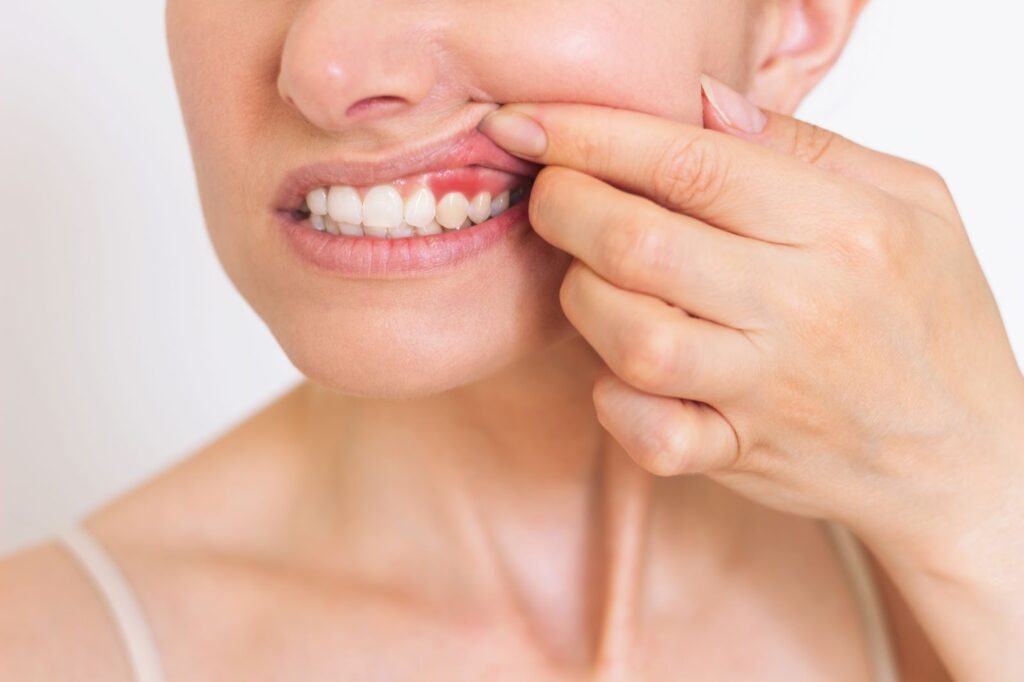
Gum disease doesn’t appear overnight. It typically begins as gingivitis, a mild form characterized by swollen, red gums that may bleed during brushing or flossing. At this stage, the condition is still reversible, which is why early intervention is so important. The longer plaque sits on your teeth, the more damage it can cause.
If gingivitis is ignored, it can progress into periodontitis. This is where things become more serious. The gums begin to pull away from the teeth, forming pockets that trap bacteria. Over time, this can lead to bone loss and even tooth loss. Learning how to cure gum disease without a dentist is most effective in the early stages, so recognizing symptoms early is key.
Signs You Should Never Ignore
Your gums often give subtle signals when something is wrong. Bleeding while brushing is one of the earliest and most common signs. Many people dismiss it as normal, but healthy gums should not bleed regularly. Swelling, tenderness, and persistent bad breath are also warning signs that shouldn’t be overlooked.
As the condition progresses, you may notice gum recession, loose teeth, or a change in how your teeth fit together. At this point, home remedies alone may not be enough. Still, understanding how to cure gum disease without a dentist can help slow progression and improve overall oral health when combined with proper care.
The Role of Oral Hygiene in Healing Gums
The foundation of healthy gums is proper oral hygiene. Brushing your teeth twice a day is essential, but technique matters just as much as frequency. Use a soft-bristled toothbrush and gentle, circular motions to clean along the gumline without causing irritation.
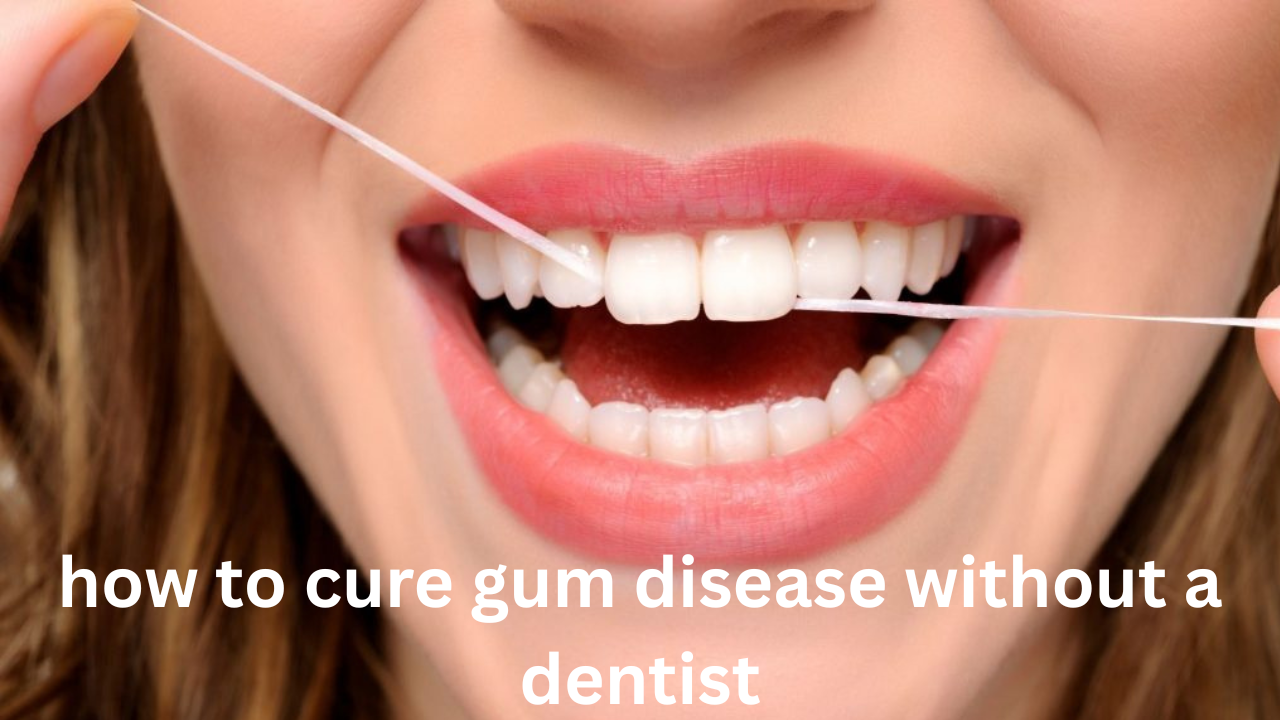
Flossing is equally important because it removes plaque and food particles from areas your toothbrush can’t reach. Many people skip flossing, but it plays a critical role in preventing and managing gum disease. If you’re serious about learning how to cure gum disease without a dentist, improving your daily hygiene routine is the first and most important step.
Natural Remedies That Support Gum Health
Natural remedies can be powerful allies when used correctly. Saltwater rinses are one of the simplest and most effective options. They help reduce inflammation, kill bacteria, and promote healing. Just mix a small amount of salt in warm water and rinse your mouth for about 30 seconds.
Another popular remedy is oil pulling, which involves swishing oil in your mouth to remove bacteria. Coconut oil is commonly used due to its antibacterial properties. While these methods are not replacements for brushing and flossing, they can complement your efforts when exploring how to cure gum disease without a dentist.
The Power of a Healthy Diet
What you eat has a direct impact on your gum health. Foods rich in vitamins and minerals support your immune system and help your body fight infection. Vitamin C, in particular, plays a crucial role in maintaining healthy gums and preventing inflammation.
Sugary and processed foods, on the other hand, feed harmful bacteria in your mouth. Reducing sugar intake can significantly improve your oral health. A balanced diet filled with fruits, vegetables, whole grains, and lean proteins can make a noticeable difference when working on how to cure gum disease without a dentist.
Hydration and Its Impact on Oral Health
Staying hydrated is often overlooked but incredibly important. Water helps wash away food particles and bacteria, keeping your mouth clean between brushing sessions. It also supports saliva production, which naturally protects your teeth and gums.
Dry mouth can increase the risk of gum disease because it allows bacteria to thrive. Drinking enough water throughout the day is a simple yet effective way to support your efforts in learning how to cure gum disease without a dentist.
Herbal Solutions and Their Benefits
Certain herbs have been used for centuries to support oral health. Aloe vera, for example, has anti-inflammatory and antibacterial properties that can soothe irritated gums. Applying aloe vera gel directly to the gums may help reduce swelling and promote healing.
Green tea is another beneficial option. It contains antioxidants that help fight inflammation and improve gum health. Incorporating herbal remedies into your routine can enhance your approach to how to cure gum disease without a dentist, especially when combined with good hygiene practices.
The Importance of Consistency
One of the biggest challenges in managing gum disease at home is staying consistent. Results don’t happen overnight, and skipping your routine even occasionally can slow your progress. Developing a daily habit of proper brushing, flossing, and rinsing is essential.
Consistency builds momentum. Over time, these small actions add up, leading to noticeable improvements in your gum health. When focusing on how to cure gum disease without a dentist, persistence is just as important as the methods you choose.
Lifestyle Habits That Affect Your Gums
Your lifestyle choices play a significant role in your oral health. Smoking, for example, is one of the leading risk factors for gum disease. It weakens your immune system and makes it harder for your gums to heal.
Stress is another factor that can impact your gums. It affects your body’s ability to fight infection, making you more susceptible to gum problems. Addressing these lifestyle factors is an important part of understanding how to cure gum disease without a dentist.
Home Care Tools That Make a Difference
Using the right tools can greatly improve your results. Electric toothbrushes, for instance, can provide a more thorough cleaning than manual ones. Water flossers are also helpful for reaching deep between teeth and along the gumline.
Antibacterial mouthwashes can reduce plaque and improve gum health, but they should be used as a supplement, not a replacement for brushing and flossing. Investing in quality tools can enhance your strategy for how to cure gum disease without a dentist.
What Science Says About Home Treatment
Research shows that early-stage gum disease can often be reversed with improved oral hygiene and proper care. However, once it progresses to more advanced stages, professional treatment becomes necessary. This is why early action is so important.
Scientific evidence supports many of the methods discussed here, including flossing, proper brushing, and certain natural remedies. Understanding the science behind these practices can give you confidence in your approach to how to cure gum disease without a dentist.
Common Myths About Gum Disease
There are many misconceptions about gum disease. One common myth is that bleeding gums are normal. In reality, they are a sign of inflammation and should be addressed promptly.
Another myth is that brushing harder will clean your teeth better. Aggressive brushing can actually damage your gums and make the problem worse. Clearing up these myths is essential when learning how to cure gum disease without a dentist effectively.
When Home Remedies Are Not Enough
While home care can be highly effective in early stages, there are times when professional help is necessary. Severe pain, significant gum recession, or loose teeth are signs that you should not ignore.
Even if you’re focused on how to cure gum disease without a dentist, it’s important to recognize your limits. Seeking professional care when needed can prevent further damage and protect your overall health.
Expert Insight
“Healthy gums are the foundation of a healthy smile. Small daily habits often make the biggest difference over time.”
This simple truth highlights the importance of consistency and awareness. You don’t need complicated solutions—just reliable, proven practices done regularly.
Conclusion
Gum disease can feel overwhelming, but it’s often manageable with the right approach. By improving your oral hygiene, adopting healthy habits, and using supportive natural remedies, you can take meaningful steps toward better gum health. The key is to act early, stay consistent, and pay attention to your body’s signals.
Learning how to cure gum disease without a dentist empowers you to take control of your oral health. While not every case can be fully treated at home, many can be improved significantly with dedication and care. Your gums are worth the effort, and the results will benefit your overall well-being.
FAQ Section
What is the fastest way to approach how to cure gum disease without a dentist?
The fastest approach involves improving your oral hygiene immediately. Brush twice daily, floss regularly, and use saltwater rinses to reduce inflammation and bacteria. Consistency is key to seeing quick improvements.
Can natural remedies really help with how to cure gum disease without a dentist?
Yes, natural remedies like saltwater rinses, oil pulling, and aloe vera can support healing. However, they work best when combined with proper brushing and flossing rather than used alone.
How long does it take to see results when learning how to cure gum disease without a dentist?
Mild gum disease can start improving within a few weeks if you follow a consistent routine. However, more advanced cases may take longer and might require professional treatment.
Is it safe to rely only on home methods for how to cure gum disease without a dentist?
It is generally safe for early-stage gum disease. However, if symptoms worsen or do not improve, it’s important to seek professional care to prevent complications.
What foods should I avoid while working on how to cure gum disease without a dentist?
Avoid sugary, processed, and sticky foods that promote bacterial growth. Instead, focus on nutrient-rich foods that support gum health and reduce inflammation.