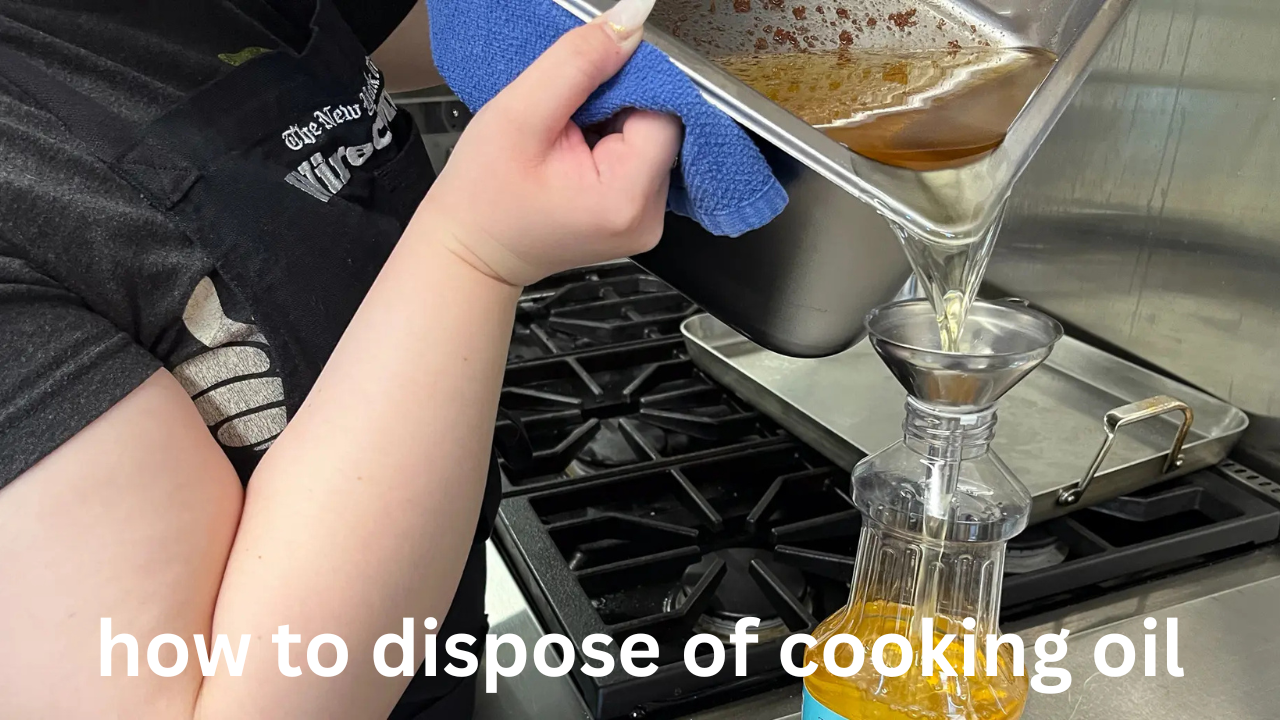
How to Dispose of Cooking Oil is one of those everyday kitchen staples that quietly builds up over time. Whether you fry occasionally or cook daily, you eventually face the same question: what should you do with used oil? Many people pour it down the sink without thinking twice, while others leave it sitting in containers, unsure of the right next step. The truth is, improper disposal can harm your plumbing, damage the environment, and even create serious sanitation issues.
Understanding how to dispose of cooking oil properly isn’t just about keeping your kitchen clean—it’s about protecting your home, your community, and the planet. This guide breaks everything down in a simple, practical way so you can handle used oil responsibly without confusion. By the end, you’ll know exactly what to do with oil after frying, sautéing, or deep cooking, and you’ll have options that fit your lifestyle.
Why Proper Cooking Oil Disposal Matters
When people overlook proper oil disposal, the consequences can be surprisingly serious. Pouring oil down the drain might seem harmless in the moment, especially when the oil is still warm and liquid. But once it cools, it solidifies and sticks to pipes, gradually building up into thick blockages. Over time, this can lead to clogged drains, unpleasant odors, and expensive plumbing repairs.
Beyond your home, improper disposal also impacts the larger environment. Oil that enters the drainage system can mix with other waste and contribute to large-scale sewer blockages, sometimes referred to as fatbergs. These massive accumulations disrupt wastewater systems and require costly removal efforts. Learning how to dispose of cooking oil responsibly helps prevent these issues before they start.
Common Mistakes People Make with Cooking Oil
One of the biggest mistakes is assuming that small amounts of oil won’t cause harm. Even a little oil poured down the sink regularly can accumulate and create problems over time. Another common habit is rinsing oily pans directly in the sink with hot water, thinking it will wash everything away. In reality, the oil simply moves further into the pipes before cooling and sticking.
Some people also throw liquid oil directly into the trash without containing it. This can lead to leaks, messy garbage bags, and unpleasant smells. Understanding how to dispose of cooking oil correctly means avoiding these small but impactful mistakes and adopting better habits that are easy to maintain.
Different Types of Cooking Oil and Their Disposal Needs
Not all oils behave the same way, which means disposal methods can vary slightly depending on the type. Vegetable oil, canola oil, and sunflower oil are commonly used and generally follow the same disposal guidelines. These oils remain liquid at room temperature but still solidify under cooler conditions, making them risky for drains.
On the other hand, oils like coconut oil or animal fats such as lard and bacon grease solidify quickly. These should never go down the sink under any circumstances. Knowing how to dispose of cooking oil starts with recognizing the type you’re dealing with and adjusting your approach accordingly.
Letting Oil Cool Before Disposal
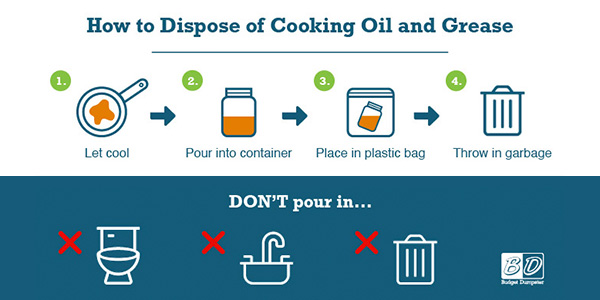
One of the simplest yet most important steps is allowing the oil to cool completely. Hot oil is dangerous to handle and can cause burns if spilled. It also melts certain materials, which can make disposal more complicated if you’re using plastic containers.
Once the oil has cooled, it becomes much easier to manage. This step is essential when learning how to dispose of cooking oil safely because it reduces risk and makes the process cleaner and more controlled.
Reusing Cooking Oil Safely
Before disposing of oil, consider whether it can be reused. In many cases, oil used for frying can be filtered and stored for future cooking. This not only saves money but also reduces waste. However, reuse should only happen if the oil is still in good condition—clear, not overly dark, and free of strong odors.
To reuse oil, strain it through a fine mesh or cloth to remove food particles. Store it in a clean, airtight container and keep it in a cool, dark place. Understanding how to dispose of cooking oil also includes knowing when not to dispose of it at all, especially if it still has life left.
The Container Method for Disposal
One of the most practical ways to handle used oil is by placing it in a sealed container. After the oil has cooled, pour it into a disposable or reusable container with a lid. This prevents spills and keeps odors contained.
Plastic bottles, old jars, or even milk cartons can work well for this purpose. Once the container is full, it can be placed in the trash according to local waste guidelines. This method is widely recommended when discussing how to dispose of cooking oil because it is simple and accessible for most households.
Absorbing Oil Before Throwing It Away
If you’re dealing with small amounts of oil, absorption can be an effective solution. Materials like paper towels, sawdust, flour, or even cat litter can soak up the oil, turning it into a solid mass that’s easier to discard.
This method is particularly useful for wiping out pans or handling leftover grease after cooking. It’s a quick and efficient way to manage minor amounts while still following proper practices for how to dispose of cooking oil.
Recycling Cooking Oil
In many areas, used cooking oil can be recycled. Recycling facilities often convert oil into biodiesel, a renewable energy source. This is one of the most environmentally friendly options available and helps reduce reliance on fossil fuels.
Check with your local waste management services to see if they offer oil recycling programs. Learning how to dispose of cooking oil through recycling not only keeps your home clean but also contributes to a more sustainable future.
Composting Considerations
While composting is a great way to reduce waste, cooking oil doesn’t always fit well into the process. Small amounts of plant-based oils may be acceptable in some compost systems, but excessive oil can disrupt the balance and attract pests.
If you’re considering composting, research your specific setup and guidelines. Knowing how to dispose of cooking oil properly means understanding when composting is appropriate and when it’s better to choose another method.
Handling Large Quantities of Oil
For those who cook frequently or run small food businesses, managing large amounts of oil requires a more structured approach. Storing oil in large, sealed containers and arranging regular disposal or recycling pickups can make the process more efficient.
Avoid letting oil accumulate for too long, as it can become difficult to handle and may develop strong odors. A consistent routine is key when figuring out how to dispose of cooking oil in larger volumes.
Environmental Impact of Improper Disposal
Improper disposal doesn’t just affect your plumbing—it can have long-term environmental consequences. Oil that enters waterways can harm aquatic life by reducing oxygen levels and coating surfaces that animals rely on.
It also contributes to pollution that can take years to break down. Understanding how to dispose of cooking oil responsibly is a small but meaningful step toward protecting natural ecosystems.
Safe Storage Tips Before Disposal
Sometimes you may need to store oil temporarily before disposing of it. In these cases, choosing the right container is important. Use leak-proof containers with tight lids to prevent spills and odors.
Keep the container in a cool, dry place away from direct sunlight. Proper storage is an essential part of how to dispose of cooking oil because it ensures safety and cleanliness throughout the process.
Cultural and Regional Disposal Practices
Different regions have unique approaches to handling used cooking oil. In some places, community collection points are available, while others rely on household disposal methods. Understanding local practices can help you choose the most effective and compliant option.
Regardless of location, the core principles remain the same: avoid drains, contain the oil, and explore recycling options whenever possible. This universal approach makes it easier to understand how to dispose of cooking oil no matter where you live.
Myths About Cooking Oil Disposal
There are many misconceptions surrounding oil disposal. One common myth is that hot water and soap can safely wash oil down the drain. While this might seem effective initially, it only delays the problem by moving the oil further into the plumbing system.
Another myth is that biodegradable oils are safe to pour down the sink. Even natural oils can cause blockages and environmental harm. Clearing up these myths is crucial for anyone learning how to dispose of cooking oil properly.
Quick Reference Tips for Everyday Use
Keeping a few simple habits in mind can make oil disposal much easier. Always let oil cool, use containers for storage, and avoid pouring it down the drain. Small changes in daily routines can prevent bigger problems later.
Consistency is key. Once you develop a routine, understanding how to dispose of cooking oil becomes second nature, and you won’t have to think twice about it.
Expert Insight
“Proper oil disposal isn’t just about avoiding clogs—it’s about creating a cleaner, safer environment for everyone.”
This perspective highlights the broader impact of small actions. When more people adopt responsible practices, the benefits extend far beyond individual households.
Conclusion
Cooking oil disposal might seem like a minor detail in your daily routine, but it carries significant importance. From protecting your plumbing to preserving the environment, the way you handle used oil matters more than you might think. By adopting simple, practical methods, you can avoid common mistakes and make a positive impact.
Understanding how to dispose of cooking oil empowers you to take control of your kitchen waste in a responsible way. Whether you choose to reuse, recycle, or safely discard it, the key is consistency and awareness. With the right approach, you can keep your home clean and contribute to a healthier planet.
FAQ Section
What is the safest way to handle how to dispose of cooking oil at home?
The safest method is to let the oil cool completely, pour it into a sealed container, and dispose of it in the trash or take it to a recycling facility. This prevents burns, spills, and environmental damage.
Can I pour small amounts when learning how to dispose of cooking oil?
Even small amounts should not be poured down the drain. Over time, they accumulate and cause blockages. It’s better to absorb or contain them before disposal.
Is recycling always an option for how to dispose of cooking oil?
Recycling depends on your local facilities. Many areas accept used oil for biodiesel production, but it’s important to check with local services to confirm availability.
How often should I deal with how to dispose of cooking oil?
It depends on how frequently you cook. If you use oil often, it’s best to establish a routine, such as disposing or recycling it weekly to prevent buildup.
Are there eco-friendly ways to approach how to dispose of cooking oil?
Yes, recycling and reusing oil are the most eco-friendly options. These methods reduce waste and support sustainable practices, making them ideal choices whenever possible.