Small Changes That Can Make Your Everyday Environment More Inspiring
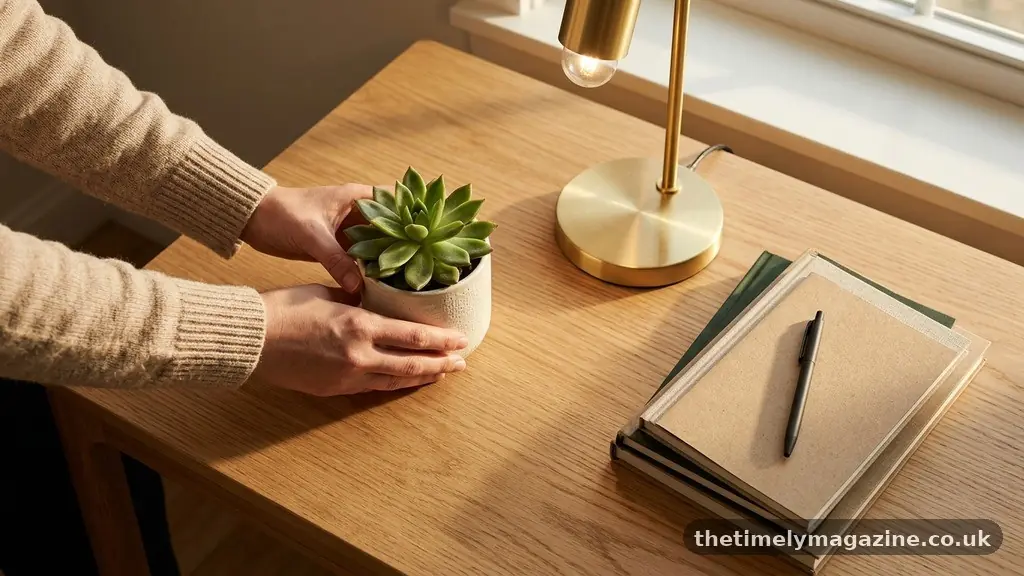
Small Changes That Can Make Your Everyday Environment More Inspiring often begin with simple adjustments rather than expensive renovations. A clearer desk, a better lamp, a plant by the window, or one meaningful image can change how a room feels and how easily your attention settles there.
Your surroundings quietly influence energy, focus, creativity, and rest. By looking at light, sound, color, layout, texture, and personal meaning, you can shape an environment that supports the person you want to be without waiting for a perfect home or a large budget.
Start With the Changes You’ll Feel Fastest
The most effective first step is to improve the parts of your environment that create daily friction. Clear one surface, move a lamp closer to your work area, open a curtain, or place frequently used items within easy reach. These changes work because they alter what your eyes, hands, and attention encounter repeatedly.
A useful starting order is light, clutter, comfort, and visual meaning. Natural light can make a room feel more awake, while decluttering removes small decisions that compete for attention. An ergonomic chair or properly positioned monitor can reduce physical distraction, and an inspirational artwork can remind you why the space matters.
Don’t redesign an entire room at once. Choose one location where you spend at least 20 minutes each day, such as a desk, kitchen corner, bedside table, or reading chair. Photograph it before making changes, then alter only two or three features so you can tell which adjustment actually improves your experience.
- Remove objects that belong elsewhere or have no current purpose.
- Place the strongest available light beside, rather than behind, your main task.
- Add one living element, such as an indoor plant, fresh flowers, or a bowl of natural materials.
- Keep one useful tool visible and store the rest in a consistent place.
- Display an image, phrase, object, or photograph connected to a real goal or memory.
This approach also supports habit formation. If your journal is hidden in a drawer, writing requires an extra step; if it sits open beside a comfortable chair, beginning becomes easier. Inspiration is often less about forcing a mood and more about removing barriers to the actions you already value.
Use Light to Shape Energy and Focus
Light is one of the fastest ways to change the character of a room. Strong daylight can make morning tasks feel more inviting, while a dim, warm lamp may help signal that the workday is ending. Instead of relying on one ceiling fixture, build layers with window light, task lighting, and softer ambient lighting.
Place a desk near a window if possible, but avoid positioning the screen directly in front of bright glass. Glare can cause eye strain and make the space less comfortable, even when the view is attractive. A side-facing window usually offers a useful balance between natural light and screen visibility.
Different activities need different lighting conditions. A reading chair benefits from a directional lamp, a kitchen counter needs clear task light, and a bedroom often feels calmer with low, warm illumination. Smart bulbs can make adjustments convenient, but a simple lamp with a suitable shade can accomplish much the same thing.
Morning brightness can help distinguish active hours from rest, especially in rooms that feel enclosed or shaded. During the evening, reducing harsh overhead light may make it easier to transition toward sleep. The aim isn’t to create a showroom effect; it’s to give each part of the day a visible atmosphere.
Pay attention to the emotional response as well as practical visibility. If a workspace feels gloomy at 10 a.m., move the lamp or remove an object blocking the window before buying new furniture. Small changes to light direction often matter more than adding another decorative item.
For a useful explanation of how daylight, indoor environments, and human wellbeing interact, the American Psychological Association’s discussion of nature and wellbeing provides accessible psychological context. It reinforces a simple principle: the physical environment is not separate from mental experience.
Bring Nature Into Ordinary Rooms
Biophilic design means creating stronger connections with natural forms, materials, patterns, and processes. You don’t need a dramatic indoor garden to use the idea. A timber tray, stone coaster, woven basket, nature photograph, or view of a tree can introduce a quieter visual rhythm.
Indoor plants are especially useful because they add color, texture, and change over time. A pothos on a shelf, a snake plant in a dim corner, or herbs near a kitchen window can make a room feel cared for. Choose a plant that matches the available light and your willingness to maintain it; a neglected plant can create stress rather than inspiration.
Nature views deserve careful attention. If your window faces a wall, place a small mirror where it can reflect daylight rather than clutter.
If the view includes trees, sky, or moving leaves, avoid covering the entire window with furniture or storage. Even a narrow visual opening can give the eyes a restorative point of focus.
Natural materials can change the sensory experience of a space without making it look themed. Cotton, wool, rattan, unfinished wood, clay, and linen each contribute a different texture. A rough ceramic mug or a wooden desk organizer may provide more pleasure than several plastic accessories bought without a clear purpose.
Nature-inspired sounds can help in selected settings, though personal preference matters. Gentle rain, birdsong, or a small water feature may support relaxation, while some people find continuous sound distracting. Try one sound source at a low volume and observe whether it helps you stay present or makes the room feel busier.
Keep the care routine realistic. A weekly watering reminder, a small pruning tool, and a consistent location for plant supplies can turn greenery into a sustainable pleasure rather than another obligation. The best environmental improvements are the ones that remain pleasant after the novelty fades.
Let Color and Images Carry Meaning
Color psychology can offer useful prompts, although no color creates the same response for everyone. Blue may feel spacious to one person and cold to another; yellow can feel cheerful in a small dose but tiring across a large wall. Your memories, culture, lighting, and the room’s function all shape the result.
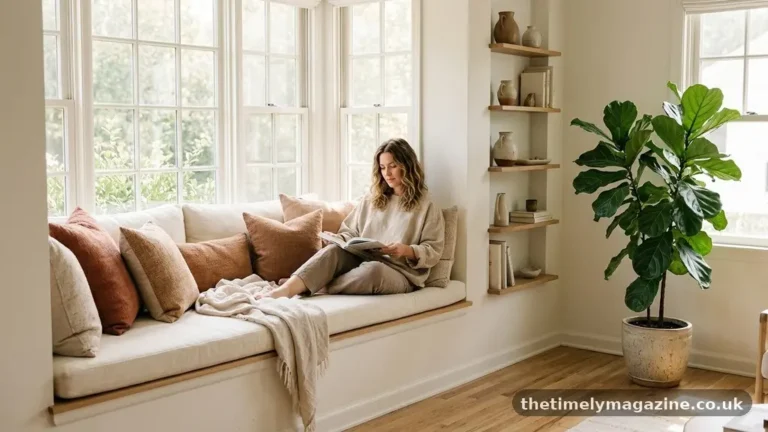
Start with small, reversible uses of color. Add a rust-colored cushion to a neutral reading corner, paint the inside of a bookshelf, or use green storage boxes near a plant. These changes let you test a mood before committing to a large wall or expensive furniture.
Think about the action you want the room to support. A creative workspace might benefit from energetic accents, while a bedroom may work better with restrained tones and soft contrast. A kitchen used for socialising can handle stronger color than a narrow hallway where visual calm helps movement.
Inspirational artwork works best when it has a specific connection to your life. A print from a place you hope to visit, a photograph taken by a friend, or a sketch related to a personal project can create more emotional energy than a generic motivational poster. Meaning gives an object staying power.
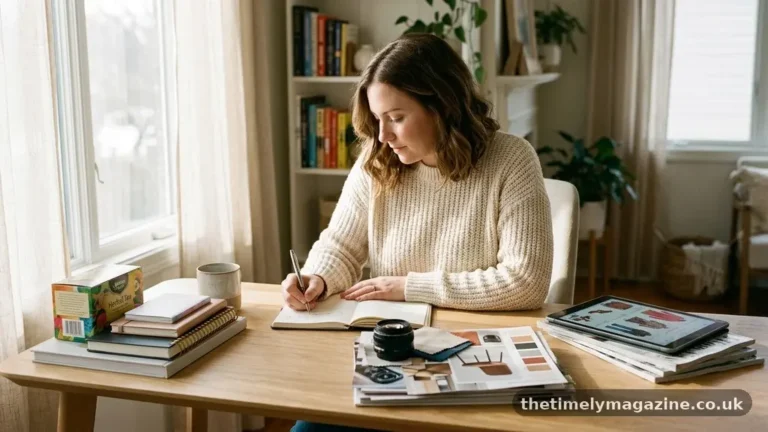
A creative mood board can help you identify that meaning before you shop. Collect a few images, fabric samples, color swatches, phrases, and photographs that represent the atmosphere you want, then look for recurring features. You might discover that your preferred environment includes pale wood, deep green, open landscapes, and warm pools of light.
Limit the number of visual messages competing for attention. If every wall contains quotes, photos, patterns, and notices, none of them can act as a focal point. Leave some breathing room so the pieces you keep can be seen rather than processed as background noise.
Make Organization Support Creativity
Workspace organization isn’t about making every surface empty. It’s about making the right objects easy to find and the wrong distractions easy to put away. A well-designed desk might keep a notebook, pen, water bottle, and current project visible while storing cables, paperwork, and spare supplies nearby but out of sight.
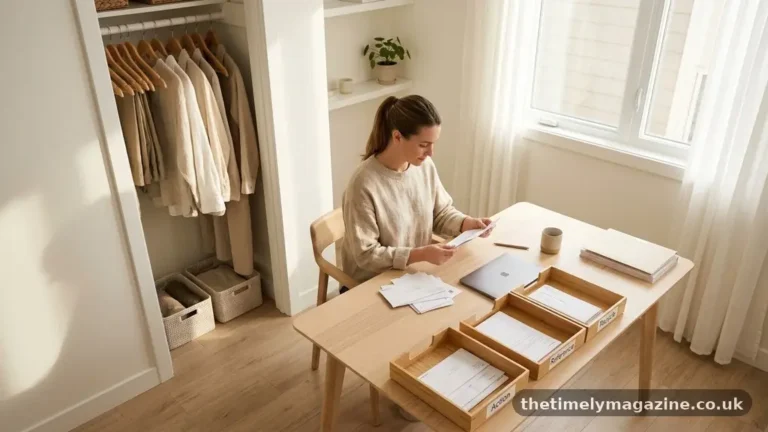
Use the principle of visible for action, hidden for storage. If you want to sketch regularly, keep a pad and pencils accessible; if unopened mail repeatedly steals attention, place it in one labeled tray away from your main work area. The arrangement should reflect behavior, not an abstract idea of tidiness.
Group related items together. Put chargers in one container, cleaning materials near the surface they serve, and creative tools beside the place where you use them. This reduces the time spent searching and makes it easier to reset the room at the end of a task.
Decluttering becomes more manageable when you work by category or zone instead of attempting an entire home. A 15-minute session focused only on the top of a desk can produce a noticeable result. Keep, relocate, recycle, donate, and discard are enough categories for most small decisions.
Leave room for unfinished work. A shallow tray can hold the materials for an active project without spreading across the whole room, while a folder can protect ideas you aren’t ready to develop. Creativity needs access to materials, but it also needs boundaries that prevent every project from becoming permanent visual noise.
Resetting should take less than a few minutes. If putting an item away requires opening a crowded cupboard or walking across the house, the system will probably fail. Make storage intuitive, label only what genuinely helps, and treat organization as an invitation to begin again rather than a test of discipline.
Design for Comfort, Movement, and the Senses
Inspiration is difficult to sustain when your body is uncomfortable. Ergonomic furniture can reduce the physical strain that pulls attention away from reading, making, planning, or conversation. A chair that supports your lower back, a monitor at a comfortable height, and a footrest can make a larger difference than a stylish accessory.
Adjust the setup before replacing it. Raise a screen with a stable stand, position the keyboard so your shoulders can relax, and keep frequently used tools close enough that you don’t twist repeatedly. If discomfort persists, seek professional advice rather than assuming a new chair will solve every issue.
Sensory stimulation should be balanced rather than maximized. A room with strong fragrance, bright patterns, loud audio, and hard surfaces may feel exciting for a short period but exhausting during sustained work. Softer textures, controlled sound, and one clear visual focal point can create a more usable form of energy.
Use texture to give a room a sense of welcome. A rug can soften footsteps, curtains can reduce echo, and a fabric lampshade can make light feel less severe. These details are easy to overlook because they don’t always appear in a photograph, yet they affect how the room feels through the body.
Movement matters too. Keep a clear route between the desk and the door, place a stretch band near the chair, or position a bookcase so you naturally stand to reach it. A space that supports brief changes of posture can help prevent long periods of rigid concentration.
Comfort shouldn’t mean turning every room into a lounge. A supportive chair, clear floor space, and suitable lighting can make purposeful activity easier. The goal is to create an environment that gives your mind enough ease to explore, while still gently directing you toward the task or ritual you chose.
Match Each Zone to Its Intended Mood
Many rooms serve several purposes, so inspiration improves when zones have recognizable identities. A dining table may host meals, paperwork, and crafts, but a basket for work materials and a clear end-of-day reset can help the table shift between roles. The same principle works in bedrooms, living rooms, and shared offices.
Create a visual cue for each activity. A candle or small lamp can mark reading time, a particular playlist can signal housework, and a tray can define a meditation or writing space. Repeated cues help habit formation because they reduce the amount of effort required to decide how to begin.
Keep high-focus work away from the most distracting visual traffic if you can. A desk facing a blank wall may help someone who is easily pulled toward movement, while another person may work better facing a window. There is no universal layout; observe what repeatedly captures your attention and respond to that pattern.
Shared spaces require negotiation rather than total control. Use portable elements such as a desk mat, folding screen, rolling cart, or small lamp that can establish your zone without claiming the whole room. This allows different people to create supportive conditions at different times.
| Zone | Helpful environmental cue | Potential benefit |
|---|---|---|
| Work area | Task lamp, clear tool tray, supportive chair | Fewer interruptions and easier focus |
| Reading corner | Comfortable seat, side light, small book stack | Stronger invitation to pause and read |
| Entryway | Hooks, basket, and a visible landing place | Less clutter spreading into living areas |
| Resting space | Soft lighting, limited screens, calming texture | Smoother transition into rest |
A zone does not need a large footprint. One end of a table, a windowsill, or a corner of a shelf can carry a distinct purpose when its objects are chosen consistently. The boundary is psychological as much as physical.
Build an Inspiring Environment on a Realistic Budget
Financial limits can sharpen creativity. Before buying anything, rearrange the furniture, rotate artwork from another room, wash the windows, or remove one piece that makes the space feel crowded. These actions cost little and often reveal what the room actually needs.
Improve one functional weakness at a time. If reading is uncomfortable, address the lamp; if paperwork piles up, address storage; if the room feels lifeless, add a plant or a natural texture. Buying decorative objects before solving the practical problem usually creates more stuff without creating more inspiration.
Secondhand sources can provide character that identical new items lack. A used wooden stool, vintage frame, ceramic vase, or solid shelf may carry small marks that make the room feel personal. Check stability, cleanliness, and safety before bringing anything home, especially upholstered items or electrical goods.
Make a short list of items that would genuinely change your daily experience. Prioritize pieces used often, such as a desk lamp or storage unit, over objects that look appealing only in a photograph. A purchase earns its place when it improves a repeated action.
Repurpose what you already own. A mug can hold pens, a shallow serving dish can collect keys, and a spare scarf can add color to a plain chair. These experiments let you test an idea before spending money and may produce a more individual result than buying a matching set.
Set a waiting period for nonessential purchases. Write down the item, where it would go, and what problem it would solve, then revisit the decision after several days. If the idea still fits your environment and your routine, it is more likely to be a considered addition rather than a reaction to temporary enthusiasm.
Turn Small Improvements Into Lasting Habits
A room can look inspiring for one afternoon and return to disorder by Friday. Lasting change depends on maintenance that fits your actual schedule. Choose a tiny reset, such as clearing the work surface before bed or opening the curtains immediately after waking.
Connect the reset to an existing habit. Put away desk materials after brushing your teeth, water plants after making coffee, or adjust evening lights when you plug in your phone. Habit formation becomes easier when the new behavior follows a reliable cue instead of depending on a fresh burst of motivation.
Review the environment once a month with three questions: What helps me? What distracts me?
What no longer belongs here? This prevents a successful arrangement from becoming stale and catches clutter before it returns to every surface.
Notice changes in productivity without turning your home into a performance system. A clearer desk may help you start sooner, but it won’t remove every difficult feeling or guarantee constant focus. Use observations gently: if one arrangement supports better work, keep it; if it creates tension, modify it.
Invite other people into the process when the space is shared. Ask which light feels comfortable, where common items should live, and what makes the room welcoming to everyone. Inspiration grows more reliably in an environment that supports belonging rather than reflecting only one person’s preferences.
Allow the space to evolve with your life. A room that supported exam preparation may need to change when you begin remote work, care for a child, start a hobby, or need more rest. The point isn’t permanent perfection; it’s an ongoing relationship between your surroundings and the life taking place inside them.
Frequently Asked Questions
What is the cheapest way to make a room more inspiring?
Begin by changing the layout and removing visual clutter rather than buying decorations. Clean a window, move a lamp, display one meaningful object, and create a clear place for the activity you want to do more often.
How many indoor plants should I add?
There is no ideal number. Start with one plant suited to the room’s light and your care routine, then observe whether it improves the space without creating maintenance stress. A healthy, well-placed plant is more useful than several neglected ones.
Which colors are best for creativity?
No single color works for everyone, so test small accents before repainting. Warm colors may add energy, blue or green may feel calm, and neutral backgrounds can help artwork or materials stand out, but personal associations and lighting matter just as much.
Can an inspiring environment improve productivity?
It can support productivity by reducing friction, discomfort, and unnecessary decisions. A suitable environment won’t replace planning or rest, but clear tools, comfortable furniture, useful lighting, and fewer distractions can make starting and continuing a task easier.
How do I improve a shared room without upsetting others?
Use portable changes and agree on practical boundaries. A rolling cart, desk mat, small lamp, or storage basket can establish a personal zone while leaving the main arrangement flexible for other people.
Let the Space Grow With You
Small Changes That Can Make Your Everyday Environment More Inspiring are usually practical before they are decorative: better light, less friction, comfortable furniture, natural texture, and objects with genuine meaning. Choose one corner, make two changes, and notice how your attention and energy respond over the next week.
Your environment doesn’t need to look perfect to support a richer daily life. Keep what helps, release what distracts, and let the room change as your needs change; even a modest adjustment can give an ordinary day a more welcoming beginning.