Practical Ideas for Making Better Use of Unused Corners at Home
Practical Ideas for Making Better Use of Unused Corners at Home can turn awkward gaps into useful, welcoming parts of your rooms. A neglected corner might become a reading nook, a compact home office, an organised drop zone, or simply a place that brings more warmth and character to the space.
The best solution depends on the corner’s light, width, nearby furniture, and the habits of the people who use it. With a few careful measurements and the right combination of storage, seating, lighting, and decoration, even a small leftover area can make daily life easier without making the room feel crowded.
Start With the Corner’s Real Job
The fastest way to improve an unused corner is to decide what it needs to do before choosing furniture. A corner beside the front door has a different purpose from one beside a sunny window, so copying an attractive idea from another room may create clutter rather than solve a problem.
Ask what currently happens in the surrounding area. If shoes collect near the entrance, an entryway bench with a lower shelf may be more useful than a decorative chair; if books and chargers gather beside the sofa, a narrow shelving unit could address the actual need.
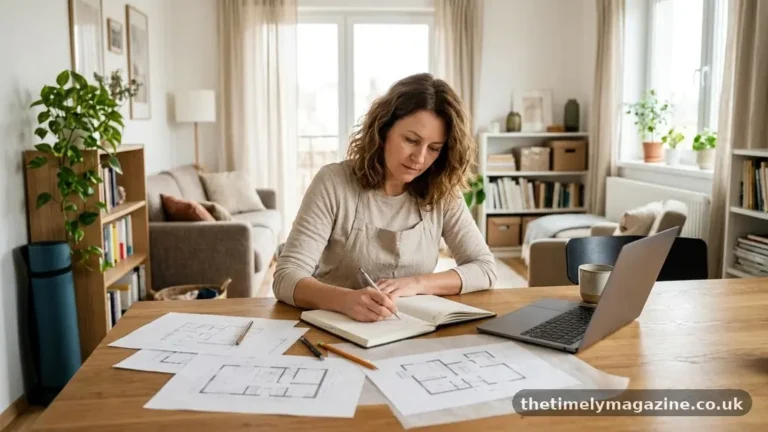
Measure the height, width, and depth of the space, including skirting boards, radiators, sockets, doors, and window frames. Leave enough clearance for drawers to open and for people to walk past comfortably, especially in hallways and narrow living rooms.
Think about frequency of use, too. A corner used several times a day should hold everyday items within easy reach, while a less accessible spot can store seasonal decorations, spare bedding, or rarely used kitchen equipment.
Match the idea to the available space
- Very narrow corners: use a slim lamp, vertical shelves, hooks, or a full-length mirror.
- Deep corners: consider a cabinet, built-in storage, a compact desk, or a tall indoor plant stand.
- Bright corners: suit a window seat, reading nook, houseplants, or a small breakfast table.
- Dark corners: benefit from corner lighting, pale finishes, reflective surfaces, and storage with clear labels.
- High corners: can hold floating shelves, artwork, baskets, or display pieces that don’t need daily handling.
Choose one main function and one supporting feature. For example, a corner office might have a desk as its main purpose and floating shelves for supplies, while a reading nook could combine a chair with a lamp and a small side table.
Build a Useful Reading or Resting Spot
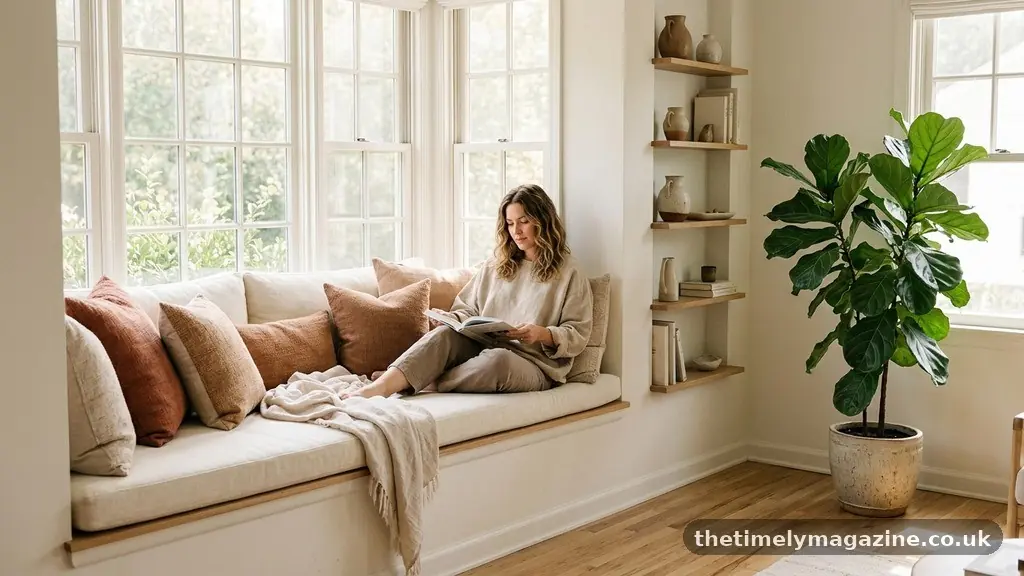
A corner near a window is often ideal for a reading nook because it already benefits from daylight and a sense of separation from the busiest part of the room. A comfortable armchair, a small table, and an adjustable lamp can create a complete retreat without requiring a large footprint.
Pay attention to the chair’s scale. A deep lounge chair may look inviting in a showroom but overwhelm a small room, whereas a compact upholstered chair with a firm seat can provide comfort while preserving walking space.
Lighting makes the corner usable after sunset. Place a floor lamp just behind or beside the chair, and choose a shade that directs light toward the book rather than shining directly into the reader’s eyes.
A narrow table can hold a mug, reading glasses, and a phone, but it doesn’t need to be a traditional bedside-style table. A small stool, wall-mounted shelf, or slim nesting table can provide the same function with less visual weight.
Use the window without creating a cold spot
A window seat is another strong option when the architecture allows it. A fitted cushion, washable cover, and a pair of supportive cushions can turn a wide sill or built-in ledge into a useful perch, but check for draughts and condensation before placing books or textiles there.
Where a permanent window seat isn’t practical, position a low bench beneath the window instead. It can provide seating during the day and hold baskets underneath for blankets, toys, or shoes.
Keep fabrics suited to the room’s conditions. Sunlight can fade delicate textiles, and a seat beside an opening window may collect dust, so removable covers are easier to maintain than fixed upholstery.
A reading corner also benefits from a little personality. One framed print, a small plant that suits the available light, or a textured throw is usually enough; too many decorative items reduce the calm feeling that makes the spot appealing.
Add Vertical Storage Without Making the Room Heavy
Unused corners often have more vertical potential than floor space. Corner shelves can use the awkward angle between two walls for books, framed photographs, baskets, or small everyday objects while keeping the centre of the room clear.
Floating shelves are especially useful where a freestanding bookcase would be too wide. Install them at practical heights rather than filling every inch of wall, and leave some space around the objects so the arrangement looks intentional instead of packed.
Use strong fixings that match the wall construction and the expected load. Books are much heavier than small ornaments, so a shelf designed for lightweight display items may not be safe for a full row of hardbacks.
Vertical storage works best when it combines display and concealment. Open shelves can hold attractive or frequently used items, while lidded baskets hide cables, paperwork, craft materials, and other objects that would otherwise make the corner look untidy.
Make the arrangement easy to live with
Keep the items you reach for most often between waist and eye level. Higher shelves are better for spare towels, seasonal accessories, and decorative pieces that don’t need constant handling.
Leave a small amount of empty space on each shelf. That breathing room helps the wall feel lighter and makes it easier to remove one item without causing a cascade of books and boxes.
If drilling isn’t possible, a tall leaning shelf or a narrow ladder-style unit may provide similar capacity. Secure freestanding furniture where necessary, particularly in homes with young children or active pets.
A corner shelf can also support an indoor plant stand, but avoid placing water-sensitive furniture directly below leaves that drip after watering. Use a tray, check the plant’s light requirements, and keep foliage away from heaters and vents.
For plant choices and placement, the Royal Horticultural Society’s houseplant advice offers reliable information on light, watering, and indoor conditions. This is especially helpful for corners that receive bright indirect light rather than direct sun.
Turn Entry and Stair Corners Into Drop Zones
An entrance corner can reduce daily friction when it gives every common item a predictable home. An entryway bench provides a place to sit while putting on shoes, while hooks above it can hold coats, bags, umbrellas, and dog leads.
Choose a bench with storage only if the household will actually use it. Open cubbies are convenient for frequently worn shoes, but doors or drawers may be better if visual clutter makes the hallway feel untidy.
Install hooks at more than one height when children use the space. Lower hooks encourage independence, while higher ones can hold adult coats and bags without forcing everyone to reach over one another.
A full-length mirror can make the corner more useful before people leave the house. It also reflects light and gives a narrow entryway more visual depth, though it should be positioned where it won’t create an awkward collision point.
Use difficult stair areas carefully
Under-stair storage is valuable because it turns an irregular, often wasted volume into a dedicated place for household equipment. Depending on the slope and access, the space might hold pull-out drawers, a small cupboard, a laundry area, or shelving for cleaning supplies.
Don’t treat the entire under-stair area as one storage box. Dividing it into zones makes retrieval easier, such as a shallow section for shoes, a taller section for the vacuum cleaner, and a closed compartment for coats or household tools.
Ventilation matters if the space houses damp items or electrical equipment. A laundry hamper station beneath the stairs may work well only when air can circulate and the hampers can be removed easily for washing.
Safety should guide the layout. Keep cleaning chemicals, sharp tools, and cords away from children, and avoid blocking access to electrical panels, heating controls, or other services hidden near the stairs.
Create a Compact Home Office That Can Close Away
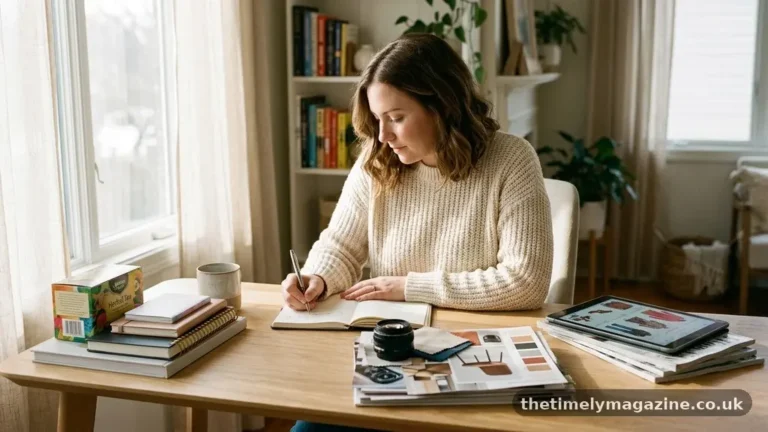
A corner can support a compact home office without becoming a permanent reminder of unfinished work. A desk around 90 to 120 centimetres wide may be enough for a laptop, notebook, and lamp, provided the chair can be pulled out without blocking a doorway.
Choose a desk with a shallow depth if the room is tight. Wall-mounted desks, slim console-style tables, and fold-down surfaces preserve floor space, though they should still provide enough room for comfortable arm and wrist positioning.
Use the wall above the desk for practical organisation. A pegboard organizer can hold headphones, scissors, charging cables, and stationery while keeping the work surface clear.
One small shelf above the desk may be better than a tall stack of storage. Keep frequently used supplies close, and move archive papers or specialist equipment to a separate cupboard so the work area remains easy to reset.
Protect the room from visual work clutter
When the desk is in a living room or bedroom, concealment becomes as important as capacity. A cabinet with doors, a lidded box, or a fabric screen can hide paperwork and electronics at the end of the day.
Plan cable routes before placing the furniture. A cable tray beneath the desk, adhesive clips along the rear edge, and one labelled power strip can prevent the familiar tangle of chargers spreading into the rest of the room.
Give the office its own light source rather than relying only on a ceiling fixture. A lamp positioned to the side of the writing hand reduces shadows, while warm, adjustable corner lighting can help the workspace transition into an evening setting.
The chair deserves more attention than its appearance. A dining chair may be fine for short tasks, but longer sessions call for a supportive seat with a height that lets the feet rest flat and the screen sit at a comfortable level.
Decorate sparingly. One print, a small plant, or a useful pinboard can make the corner pleasant without turning a work zone into another surface that needs constant tidying.
Give Kitchen, Dining, and Utility Corners a Purpose
Kitchen corners are often difficult because standard cabinets and appliances don’t fit neatly into them. Instead of forcing in a bulky unit, consider a narrow shelving tower for cookbooks, a bar cart for drinks, or a rolling trolley that can move when the floor needs cleaning.
A bar cart works best when its contents are limited to items used regularly. Group glasses on one level, bottles or mixers on another, and keep a small tray nearby to contain spills and make the whole arrangement easier to carry.
A dining corner can become a breakfast station with a small round table and two chairs. Round furniture softens a tight passage and avoids the sharp corners that make a narrow walkway feel obstructed.
If the corner is beside a worktop, use it for appliances only when ventilation and socket capacity are suitable. A microwave, coffee machine, or toaster may be convenient there, but heat, steam, and trailing cables can create safety and cleaning problems.
Make utility storage easier to manage
A laundry hamper station can bring order to a corner near the washing machine or bedroom. Separate hampers for lights, darks, and towels may help a busy household, but one large removable hamper is often easier to manage in a smaller home.
Use labels that describe the action rather than vague categories. “Ready to wash,” “clean towels,” and “air-dry” tell people what to do, while decorative labels that don’t match the household’s routine quickly become irrelevant.
Keep a small supply of laundry essentials within reach, but store powders, capsules, and stain removers safely. A high shelf or closed cabinet is preferable where children or pets can access the area.
In dining areas, a corner cabinet can store table linens, serving dishes, or board games. Glass-front doors display attractive pieces, while solid doors hide mismatched items that are useful but not especially decorative.
Every utility corner needs enough room for maintenance. Leave clearance to remove a hamper, wipe the floor, open a cabinet, or pull out a trolley; storage that cannot be cleaned around soon becomes a source of frustration.
Use Light, Art, and Plants to Improve Awkward Areas
Not every corner needs to become storage. Some spaces are better used to balance the room visually with a gallery wall, a sculptural lamp, or a carefully chosen plant that fills height without taking over the floor.
Corner lighting can correct a room that feels dim or uneven. A tall floor lamp, wall sconce, or small uplighter can send light across two walls and soften the hard shadow that often forms where they meet.
Layering works better than relying on a single bright bulb. Combine general ceiling light with a local lamp and, where suitable, a low-level glow from a console or shelf to create different moods throughout the day.
A gallery wall can make a blank corner feel deliberate, but start by arranging the frames on the floor before putting anything on the wall. Keep the outer shape reasonably cohesive, even if the artwork varies in size, colour, and subject.
Choose plants according to conditions
Use the light honestly. A corner that looks bright for an hour may still be too dark for sun-loving plants, while a position beside south- or west-facing glass may scorch delicate leaves.
An indoor plant stand adds height and lets you group several smaller plants without placing every pot on the floor. Select a stand with a broad, stable base and protect the surface beneath it from water and soil.
Plants can also soften hard architectural lines, but they shouldn’t block radiators, air vents, windows, or walking paths. Trim growth that begins to intrude into the route through the room.
If caring for plants is not realistic, use dried branches, a sculptural ceramic piece, or a high-quality artificial plant instead. The goal is to make the corner feel considered, not to add another obligation.
Mirrors are useful in darker or narrower spaces, but placement matters. A full-length mirror facing a busy storage area may amplify the clutter, whereas one reflecting a window, artwork, or open section of the room can make the corner feel more spacious.
Plan the Layout Before Buying Anything
The most successful corner projects usually begin with tape on the floor rather than a shopping trip. Mark the proposed footprint of a chair, desk, bench, or cabinet with masking tape, then walk through the room at different times of day.
Test the doors and drawers that will open near the corner. A cabinet may fit on paper but fail in practice if its door hits a radiator, catches a passing person, or blocks access to a frequently used cupboard.
Consider sightlines from the main seats in the room. A tall cabinet may provide excellent storage from the hallway but feel visually heavy when seen from the sofa, while a low unit or open shelving may blend more comfortably.
Think about power and light before fixing furniture in place. A desk without a nearby socket, a lamp with a visible cable across the walkway, or a plant that blocks a switch will create problems that décor cannot solve.
| Corner condition | Useful primary function | Helpful supporting feature |
|---|---|---|
| Bright corner beside a window | Reading nook or window seat | Adjustable lamp, washable cushion, small table |
| Narrow entrance corner | Entryway bench or shoe drop zone | Hooks, mirror, labelled basket |
| Deep living-room corner | Storage cabinet or compact office | Floating shelves, cable management, task light |
| Dark unused corner | Display area or plant alternative | Corner lighting, mirror, pale finishes |
| Space beneath stairs | Built-in storage or laundry hamper station | Ventilation, pull-out baskets, safety locks |
Use the table as a starting point, not a set of rules. A dark corner might become an office if strong task lighting is available, while a bright corner near a door may be better suited to a bench than a plant collection.
Choose materials that suit the room’s traffic. Hard-wearing finishes make sense in entrances and utility areas, while softer upholstery and delicate accessories are better reserved for quieter corners where they won’t be constantly brushed against.
Finally, give yourself a reset routine. If the new corner takes more than a minute or two to tidy, reduce the number of items or add a basket that makes the intended storage obvious.
Frequently Asked Questions
What is the best use for a very small corner?
Start with a function that needs little floor area, such as corner shelves, a full-length mirror, a slim lamp, or wall hooks. A narrow corner can also hold a small plant stand or a fold-down desk, provided the furniture doesn’t obstruct circulation.
How can I make an unused corner look intentional?
Repeat one element from the surrounding room, such as its wood tone, metal finish, or accent colour. A single coordinated feature, like a lamp beside a framed print or a bench beneath a mirror, usually looks more deliberate than a collection of unrelated objects.
Should I use open shelves or closed storage?
Open shelves suit attractive items and things used frequently, while closed storage is better for paperwork, cables, cleaning products, and visually mismatched belongings. Many corners work best with a combination of both, such as a cabinet below and two floating shelves above.
How do I use a corner without making a small room feel crowded?
Keep furniture shallow, preserve a clear walking route, and use vertical space before adding more floor-standing pieces. Light colours, raised furniture, mirrors, and wall-mounted storage can also reduce the visual weight of a useful corner.
What should I do before installing built-in storage?
Check wall dimensions, skirting boards, sockets, heating equipment, ventilation, and access to plumbing or electrical controls. Test the proposed depth with tape or cardboard first, and confirm that doors, drawers, and nearby walkways will remain practical.
Make the Corner Earn Its Place
Practical Ideas for Making Better Use of Unused Corners at Home begin with observation: notice what the household needs, then match that need to the light, dimensions, and traffic around the space. A reading chair, entryway bench, compact home office, or well-planned shelf can each be valuable when it solves a real everyday problem.
Start with one corner, measure carefully, and test the layout before spending money. The most satisfying result won’t be the most decorated one; it will be the corner that feels natural to use and makes the rest of the home work a little better.