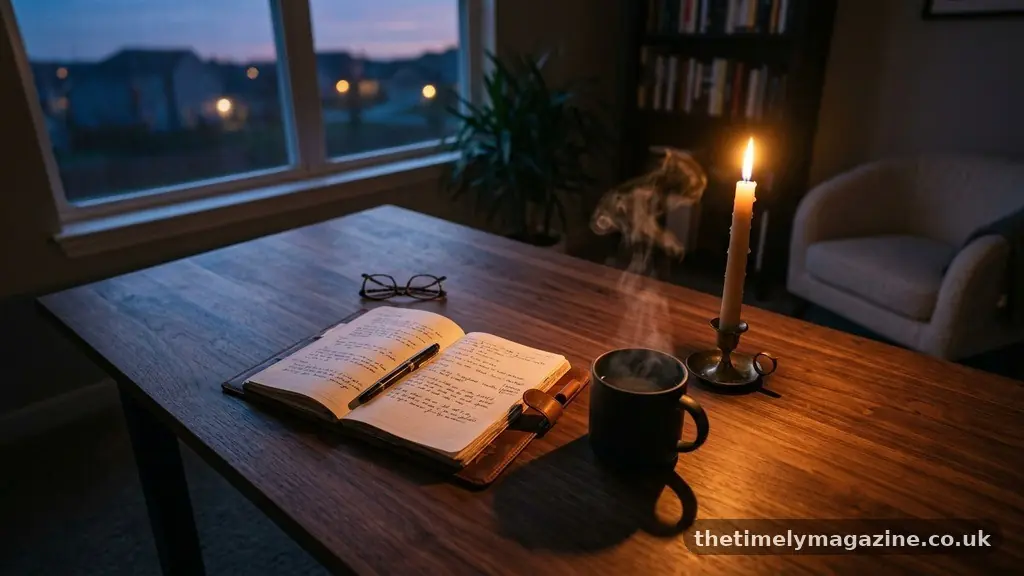
How to Make Long Evenings at Home More Enjoyable
Making Long Evenings at Home More Enjoyable starts with giving the hours a little shape instead of letting them disappear into restless scrolling. A comfortable room, a satisfying meal, one absorbing activity, and a gentler bedtime transition can turn an ordinary evening into the part of the day you look forward to most.
The best routine won’t look identical in every household. You might prefer a movie night, a slow cooking project, a reading nook, board games with family, or quiet mindfulness meditation after a demanding day. The aim is simple: create warmth, variety, and enough intention that staying home feels like a choice rather than a fallback.
Start by Giving the Evening a Simple Shape
The most useful answer is to divide a long evening into three or four comfortable stages: reset, nourish, enjoy, and wind down. This structure prevents the familiar problem of sitting down “for a minute” after work and discovering that several hours have vanished without feeling restful.
Begin with a short transition ritual. Change into comfortable clothes, wash your face, put your phone on charge away from the sofa, or take a ten-minute walk around the block. A visible change between work time and home time tells your mind that the day has moved into a different chapter.
Next, choose one anchor activity rather than trying to fill every minute. An anchor could be cooking a dish that takes forty minutes, watching one film, practising guitar, or calling a friend at a planned time. The decision matters because open-ended evenings often encourage passive habits, while a specific plan gives your attention somewhere to land.
Leave room for an unplanned pause. A schedule that is too ambitious can make home feel like another workplace, especially after a busy day. Think of the routine as a loose sequence, not a checklist you have failed if you don’t complete.
- Reset: change clothes, tidy one surface, stretch, or step outside.
- Nourish: prepare dinner, assemble a snack plate, or make a warm drink.
- Enjoy: choose a social, creative, entertaining, or reflective activity.
- Wind down: lower the lights, reduce stimulation, and prepare for sleep.
Keep the first version modest. A twenty-minute reset, a forty-five-minute activity, and a calm final hour are easier to repeat than an elaborate plan requiring perfect energy every night.
Build a Cozy Home Atmosphere Before You Sit Down
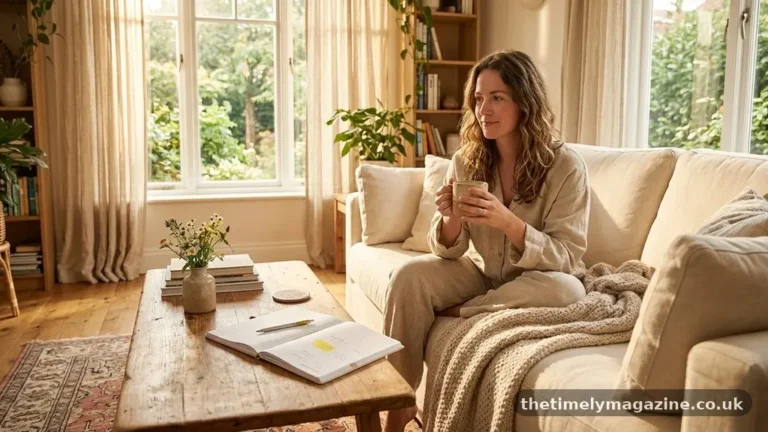
Atmosphere changes how an activity feels, even when the activity itself stays the same. A bright ceiling light, cluttered coffee table, and cold room can make a pleasant evening feel unfinished; softer surroundings invite you to settle in.
Use ambient lighting instead of relying on one harsh overhead fixture. A floor lamp near the sofa, a small table lamp beside a reading nook, or warm bulbs in two corners can create depth without turning the room into a dim cave. Keep enough light for safe movement and comfortable reading.
Scent can also mark the shift into leisure, but it should remain subtle. Scented candles, a diffuser, or fresh herbs in the kitchen may create a welcoming association, while people sensitive to fragrance may prefer an open window, clean blankets, or the smell of bread and spices from dinner.
Comfort is practical, not decorative. Put a blanket where you actually sit, keep a coaster and water glass nearby, and clear the surface that tends to collect receipts, chargers, and dishes. Small acts of preparation remove interruptions later.
Indoor plants can make a room feel cared for without requiring a redesign. A pothos, snake plant, or herb pot near a window adds colour and gives you a small living detail to notice during a quiet pause.
Sound deserves attention too. A low-volume playlist can make cooking feel lively, while rain sounds or instrumental music may suit reading. If other people share the home, headphones or a mutually agreed quiet period can protect everyone’s version of relaxation.
| Atmosphere choice | Best suited to | Practical adjustment |
|---|---|---|
| Warm lamps and a blanket | Reading, conversation, or journaling | Place the light beside the chair rather than behind it |
| Brighter task lighting | Cooking, puzzles, crafts, or board games | Light the work surface while keeping surrounding lights softer |
| Low fragrance and quiet audio | Mindfulness meditation or early winding down | Open a window and silence unnecessary notifications |
| Music and visible ingredients | Social dinners or creative home cooking | Prepare tools and ingredients before guests arrive |
Make Food Part of the Pleasure
Food can give a long evening a natural centre, particularly when dinner becomes an activity rather than a task completed as quickly as possible. Choose recipes with a few satisfying steps: kneading dough, chopping vegetables, simmering a sauce, or arranging a colourful grain bowl.
Home cooking doesn’t need to mean an ambitious three-course meal. A tray of roasted vegetables, a pot of soup, or homemade flatbreads can provide the sensory rewards of chopping, seasoning, and sharing without leaving you with a mountain of washing-up.
Create a short list of dependable “slow evening” meals. One person might keep risotto, curry, and baked pasta in rotation; another might prefer tacos, a vegetarian mezze plate, or a breakfast-for-dinner spread. The list removes decision fatigue while still leaving room for experimentation.
Presentation changes the mood at almost no cost. Put food on proper plates, add a garnish such as herbs or citrus, and sit at a cleared table instead of eating directly from a container. These choices signal that an ordinary weeknight deserves attention.
Drinks can provide the same ritual without alcohol. Try sparkling water with cucumber, ginger and lime, or a fruit-and-herb mocktail served in a glass you usually reserve for guests. A warm drink after dinner can also create a clear boundary between eating and the next activity.
Plan the cleanup before you start. Soaking one pan, loading the dishwasher while a sauce simmers, or agreeing that one person cooks while another washes prevents the final minutes of the meal from cancelling out its enjoyment.
For a longer weekend evening, make food collaborative. One person can choose the recipe, another can handle preparation, and children can wash produce or assemble toppings. The shared process often becomes more memorable than whether the final dish was restaurant-perfect.
Choose Entertainment That Holds Your Attention
Long evenings become more satisfying when entertainment asks for just enough attention to keep boredom away. Streaming services are convenient, but endless browsing can create its own kind of fatigue, so decide what you want to watch before pressing play.
A movie night works best when it feels distinct from routine viewing. Pick a theme such as classic comedies, films from one director, travel documentaries, or a series of family favourites. Prepare popcorn, fruit, or a simple dessert, then agree on the film rather than spending half the evening negotiating.
For a shorter window, choose a single television episode or a recorded performance. This makes it easier to stop at a reasonable time and leaves space for a conversation, shower, or book afterward. If you notice that a show leaves you tense rather than refreshed, reserve it for a different kind of night.
Board games and card games bring a useful social rhythm because they create turns, decisions, and small surprises. Keep several options available: a cooperative game for a group that dislikes competition, a quick card game for low energy, and a longer strategy game for a planned weekend session.
Don’t overlook audio. An audiobook can accompany folding laundry, sketching, or a gentle stretch, while a podcast may suit cooking or a quiet drive-like walk around the house. Choose content with an appropriate emotional tone; a frightening story may not be the best companion just before bed.
Entertainment is more enjoyable when it isn’t the only category available. Keep a small “menu” of choices that includes one screen-based option, one social game, one audio option, and one activity that uses your hands.
Use Creative Hobbies to Make Time Feel Spacious
Creative hobbies are especially helpful during long evenings because they turn time into something visible. You don’t need to produce impressive work; the value lies in concentrating on a process that has a beginning, middle, and end.
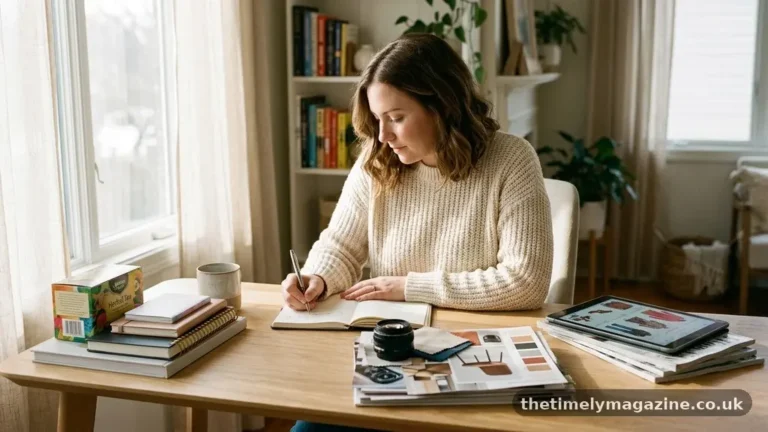
Try drawing a still life from objects already in the room, knitting a few rows, making a collage from old magazines, or learning a song in short sections. Baking, calligraphy, photography editing, and simple woodworking can serve the same purpose when the tools are accessible.
Make starting easy by storing supplies together. A box with paper, pens, scissors, and glue is more inviting than materials scattered across several cupboards. Keep a project small enough to continue or finish in one sitting, especially if you are rebuilding a creative habit.
Learning needs a gentle pace. Watch one lesson, practise one technique, or read one chapter about the skill rather than attempting to master it in a single night. Progress becomes more encouraging when you can point to a specific change, such as a cleaner stitch or a better chord transition.
Creative work can also be social without becoming competitive. Friends might share photographs of their evening sketches, join a virtual craft session, or exchange recipes and results. If screens feel tiring, use a phone only to set a timer or play an audio lesson, then put it aside.
There is no requirement to keep every finished object. Photograph a craft, save a favourite recipe, or write one sentence about what you enjoyed. The record helps you remember which activities genuinely restore your attention.
Create Quiet Options for Solitude and Rest
Not every long evening needs entertainment. Sometimes the most enjoyable plan is a quieter room, a comfortable chair, and permission not to achieve anything. Solitude becomes restorative when it is chosen deliberately rather than experienced as accidental isolation.
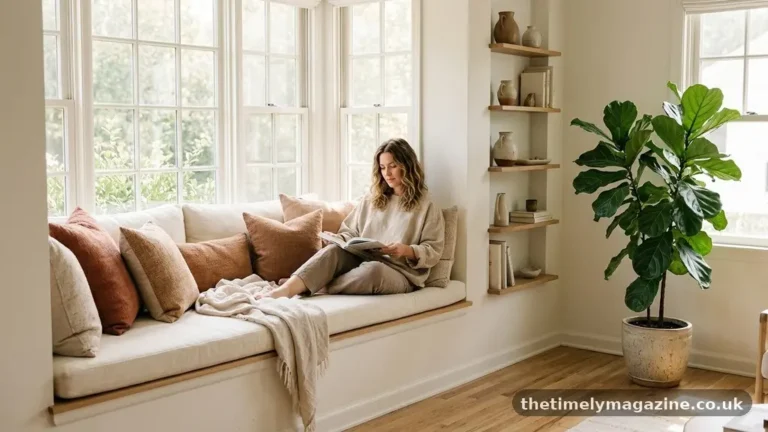
A reading nook can be as simple as a chair near a lamp, a side table, and a place for your book. Keep two or three kinds of reading nearby: a novel for immersion, essays for shorter attention spans, and something light for nights when concentration is limited.
An audiobook offers a different route into rest. Listen while lying on the floor with your feet on the sofa, doing gentle mobility exercises, or preparing clothes for the next day. Set a sleep timer if the narration is likely to continue after you drift off.
Journaling can clear mental clutter when it stays concrete. Write three lines about what happened, one concern to handle tomorrow, and one detail that felt pleasant. This is more manageable than demanding a profound insight every night.
Mindfulness meditation can also provide a useful pause, especially after an overstimulating day. Begin with five minutes of noticing the breath, sounds, and contact between your body and the chair; if thoughts appear, return to the chosen point without treating distraction as failure.
People who find silence uncomfortable can build toward it gradually. Start with ten minutes without a show or podcast, then add a calm activity such as tea, stretching, or reading. The goal isn’t to force stillness but to discover that quiet can contain more than boredom.
Make Social Time Feel Easy and Welcoming
Home-based socialising works best when the evening has a clear shape and a low burden on the host. Invite people for one defined reason: soup and conversation, a card game, a film, or dessert after dinner. A simple purpose gives guests something to anticipate.
Use food that can be prepared in advance. Chilli, baked pasta, a large salad, dips, and assembled sandwiches allow you to join the conversation instead of staying in the kitchen. Guests often appreciate a relaxed table more than an elaborate menu served under pressure.
For a small gathering, make the room easy to move through. Clear the main seating area, provide a visible place for coats, and keep drinks together so people don’t need to search through cupboards. Ambient lighting can make the space warmer while still leaving enough brightness for board games.
Not every guest wants the same pace. Offer a choice between conversation, a game, and quieter time rather than assuming the whole group must participate in one activity. A guest who is tired may be happy to listen while others play.
Digital connection can work when physical visits aren’t possible. Plan a virtual cooking session, watch a film using a synchronized service feature, or hold a short video call while each person drinks tea. A planned twenty-minute call often feels better than repeatedly sending messages without real conversation.
Protect the end of the evening. Tell guests when you need to finish, begin putting food away naturally, and avoid apologising for having a bedtime. Clear boundaries make home gatherings more repeatable because the host isn’t sacrificing the following day.
Protect Sleep Without Making the Evening Dull
A good evening should leave you calmer, not wired until midnight. The final hour needs a gradual reduction in stimulation, especially if the earlier part included intense competition, frightening entertainment, heavy meals, or work messages.
Choose a consistent cue for winding down. It might be washing dishes, preparing tea, dimming the lamps, or setting out clothes for the next morning. Repeating the same sequence helps the body recognise that activity is ending.
Screen use isn’t automatically harmful, but unplanned use can stretch indefinitely. Decide when streaming stops, place the phone outside the bedroom if possible, and turn off notifications that are not genuinely urgent. The NHS sleep advice also recommends establishing relaxing habits and keeping a regular sleep schedule.
Late-night chores should be limited to useful preparation. Pack a bag, rinse a cup, or clear the kitchen surface, but don’t begin a major decluttering project at 10:45 p.m. Save demanding tasks for a time when they won’t turn a peaceful evening into a second work shift.
Notice how different activities affect your sleep. Some people can read a thriller without difficulty, while others become alert after one tense chapter. Keep a calmer alternative nearby, such as a familiar audiobook, gentle stretching, or a low-pressure puzzle.
A flexible evening routine is healthier than a rigid one. If dinner runs late or a friend calls unexpectedly, shorten the entertainment block instead of abandoning the whole plan. Consistency comes from returning to the pattern, not from executing it perfectly every night.
Match the Plan to Your Energy and Budget
The best ideas are the ones you can use on an ordinary Tuesday, not only when you have abundant energy. Create three versions of your evening: low-energy, medium-energy, and social or ambitious.
A low-energy plan might include soup, a shower, ambient lighting, and one familiar episode. A medium-energy option could involve home cooking, a walk, and reading. The more ambitious version might include inviting friends, preparing mocktails, or tackling a creative project.
Use what is already in the home before buying new equipment. A deck of cards, library book, old recipe, notebook, or free walking route can supply hours of enjoyment. Spending money may improve comfort, but it can’t replace choosing an activity that genuinely suits your mood.
It helps to track patterns for one week. Write down what you did, how rested you felt afterward, and whether the activity made the evening pass too quickly or pleasantly slowly. You may discover that cooking helps on restless nights, while reading works better after social days.
Shared homes need shared agreements. Decide whether music is acceptable, how late guests can stay, which television shows are communal, and when quiet begins. Clear expectations prevent small frustrations from overshadowing the parts of home life that are meant to feel restorative.
Seasonal changes can refresh familiar habits. Summer may suit balcony dinners and late walks, while winter invites soups, candles, puzzles, and indoor plants that need attention. Adjusting the details keeps the routine alive without requiring a complete reinvention.
Frequently Asked Questions
How can I enjoy a long evening when I feel exhausted?
Choose a low-energy plan with one comforting meal, soft lighting, and a familiar activity. Avoid giving yourself a long list of chores or hobbies; a shower, audiobook, and early bedtime can be a genuinely enjoyable evening.
What can I do instead of scrolling through streaming services?
Decide on one intentional programme, then keep alternatives ready for afterward, such as a card game, reading, stretching, or a short creative project. Setting a stopping point before you begin prevents browsing from becoming the whole evening.
How do I make staying home feel less lonely?
Plan contact rather than waiting for it to happen. Invite someone for dinner, arrange a brief phone call, join an online class, or play a cooperative board game with people in your household.
Are scented candles necessary for a cozy atmosphere?
No. Cozy surroundings can come from warm lamps, clean blankets, comfortable seating, gentle music, and a tidy surface. If fragrance bothers you, skip candles and use fresh air, herbs from the kitchen, or unscented lighting instead.
How long should an evening routine take?
There is no ideal duration, but a simple routine can work in as little as thirty minutes. Focus on a transition, one enjoyable activity, and a calm ending rather than trying to fill every hour.
Make Home Feel Like Somewhere You Want to Be
Making Long Evenings at Home More Enjoyable doesn’t require expensive décor or a perfect schedule. Start with one reliable transition, improve the light around your favourite seat, and choose an activity that asks for enough attention to feel rewarding.
Try the plan for three evenings, then keep what genuinely helped: perhaps home cooking, a reading nook, board games, or a quieter final hour. Once the details fit your energy and household, long nights can become a welcome space for rest, connection, and small pleasures.