Creative Ways to Refresh Your Home Using Items You Already Own
Creative ways to refresh your home using items you already own can make familiar rooms feel lighter, calmer, and surprisingly new without a shopping trip. A chair from the bedroom, a stack of old books, or a forgotten vase may already hold the answer to a tired-looking corner.
The best changes usually come from seeing your belongings differently. With thoughtful furniture rearrangement, textile layering, better lighting, and a little DIY home decor, you can alter how a room functions and feels while spending little or nothing.
Start With a Fresh Room Assessment
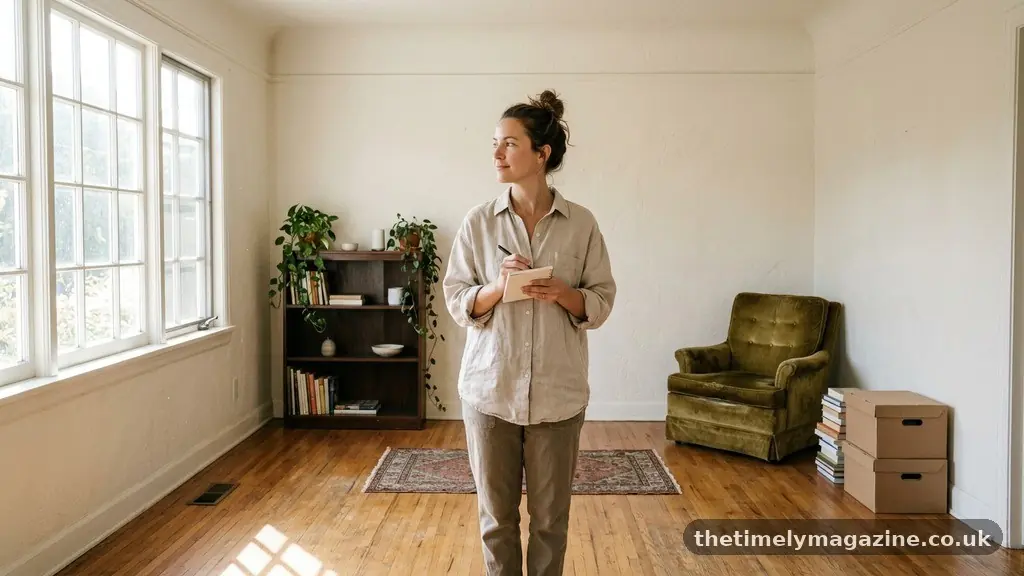
Before moving anything, walk through the room at different times of day. Notice where natural light falls, which surfaces collect clutter, and where people naturally pause or walk; these observations reveal more than a quick glance from the doorway.
Take a few photographs from each corner. A camera often exposes an overcrowded shelf, an unbalanced wall, or a rug that sits too far away from the furniture more clearly than your eyes do.
Next, remove small decorative objects from one surface, such as a coffee table or console. Leave it empty for a day, then return only the pieces that serve a purpose or genuinely make you happy.
Decluttering doesn’t mean making a room bare. It means creating enough visual space for the objects you keep to look intentional rather than lost among unrelated items.
Make three temporary groups as you edit your belongings:
- Keep here: pieces that suit the room and are already useful in their current location.
- Move elsewhere: items that belong in another room or would work better in a different arrangement.
- Rework: objects that need cleaning, a new finish, a different purpose, or a more considered display.
This simple sorting process prevents you from buying replacements for things you already own. It also makes later projects easier because you can see which textiles, containers, artwork, and furniture are available before deciding on a direction.
Change the Room Layout Before Changing the Room
Furniture rearrangement is often the quickest way to create a visible transformation. Pull seating away from the walls, angle one chair toward another, or move a desk closer to a window if the room is used for reading or focused work.
Start with the largest pieces. In a living room, position the sofa first, then place chairs, tables, and lamps around the way people actually move through the space rather than arranging everything solely around the television.
A strong room layout gives each area a clear job. One end of a large bedroom might hold a reading chair and lamp, while the opposite side becomes a dressing or storage zone instead of allowing the whole room to function as one undefined space.
Measure walking routes before committing to a new arrangement. Leave enough clearance for doors, drawers, and everyday movement; a beautiful setup becomes frustrating if a coffee table blocks the main path.
Try these low-risk layout experiments:
- Turn a rectangular dining table sideways to create a more generous walkway.
- Move a small bookcase beside a desk to form a compact work zone.
- Place two mismatched chairs together as a conversation area.
- Use a narrow console behind a sofa to define the back of the seating area.
- Shift a bed slightly off-centre if that creates better access to storage or daylight.
Don’t judge the new arrangement immediately. Live with it for a few hours, sit in every seat, and pay attention to whether the room feels easier to use.
Repurpose Furniture With Small, Reversible Changes
Furniture repurposing doesn’t always require tools, sanding, or a complete makeover. A sturdy stool can become a bedside table, a low cabinet can serve as an entryway drop zone, and a dining chair can work as a nightstand when paired with a basket beneath it.
Look at each item’s height, surface area, and storage potential. A piece becomes more versatile when you stop defining it by its original label; a kitchen trolley might hold towels in a bathroom, while a filing cabinet can organise craft materials in a study.
Use trays to change how objects relate to one another. A tray on an ottoman can turn it into a stable table, while a tray on a dresser can gather perfume, jewellery, or grooming items into one tidy composition.
Textiles can also alter furniture without permanent work. Drape a blanket over a worn sofa arm, cover a dining chair seat with a folded throw, or use a scarf as a temporary table runner to introduce colour and pattern.
For a stronger transformation, consider upcycling pieces with materials already at home. An old door can become a headboard, reclaimed timber can form a floating-style shelf, and unused picture frames can surround a mirror or a fabric panel.
Safety comes first with structural projects. Heavy shelves, wall-mounted furniture, and makeshift seating need appropriate fixings and stable surfaces; decorative creativity should never compromise the way an item supports weight.
Keep changes reversible when you’re experimenting. Painter’s tape, removable hooks, loose covers, and freestanding arrangements let you test a furniture repurposing idea before investing time in a permanent finish.
Use Textiles to Add Colour, Warmth, and Rhythm
Textile layering can make a room feel refreshed even when every major piece stays in place. Combine materials with different textures, such as cotton, wool, linen, velvet, or woven fibres, rather than relying on several objects in exactly the same fabric.
Begin with items already scattered around the home. A throw from the guest room may suit the sofa, spare pillow covers can update a bed, and a tablecloth may become a curtain panel, wall hanging, or relaxed picnic-style cover for a plain table.
Throw pillows are easiest to rearrange when you group them by colour family instead of demanding an exact match. Pair a patterned cushion with two quieter solids, or place a textured neutral beside a saturated colour already present in artwork or a rug.
Area rugs can define a zone within a larger room. Place one under the front legs of seating to connect the arrangement, or use a smaller rug beside a bed, reading chair, or sink to give that spot a distinct visual purpose.
Layering doesn’t mean covering every surface. Leave some furniture exposed so the room retains contrast, and fold blankets with one edge showing rather than stacking them in a bulky pile.
Try moving textiles between rooms for a week before deciding where they belong. The same rust-coloured throw may feel autumnal in a bedroom but warm and grounded in a pale living room.
Care matters, too. Check fabric labels before washing, vacuum rugs on both sides when possible, and air cushions outdoors only when the material and weather allow it; clean textiles can look newly purchased without changing their colour.
Build Displays From Art, Books, and Everyday Objects
Decorative styling works best when a display has variation in height, shape, and texture. Put a tall vase or lamp beside a low stack of books, then add one small object to create a simple three-part arrangement.
Books are especially useful because they provide colour, height, and a personal story. Stack a few horizontally on a coffee table, stand selected covers upright on a shelf, or use a small pile to raise a plant or framed photograph.
A gallery wall can include more than framed art. Combine postcards, children’s drawings, fabric samples, maps, pressed leaves, handwritten recipes, and photographs, provided the collection shares a visual connection such as similar colours or frame finishes.
Lay the pieces on the floor before hanging them. Keep the arrangement slightly loose rather than forcing every frame into a rigid grid, and photograph the trial layout so you can reproduce it accurately on the wall.
Old trays, bowls, and baskets can gather objects that otherwise look scattered. A shallow bowl by the door can hold keys, while a vintage dish on a dresser can organise hair clips, coins, or small accessories.
Don’t underestimate plain objects. A collection of wooden utensils in a crock, folded quilts on an open shelf, or a row of attractive storage baskets can bring character because the display reflects real household life.
Rotate collections rather than displaying everything at once. Keeping a portion of your artwork and accessories in a cupboard gives you material for future refreshes and prevents the room from becoming visually static.
Refresh Walls and Surfaces Without a Full Redecoration
Paint techniques can change the personality of a room without requiring every wall to be repainted. Use leftover paint on the inside of a bookcase, the back of open shelving, a door panel, or the lower portion of a wall.
A painted border behind a desk can create the impression of a work zone, while a soft block of colour behind a bed can act like a simple headboard. Test the colour in daylight first because surrounding furnishings can make the same paint appear warmer or cooler.
If you have sample pots, use them for small decorative projects. Paint the legs of a stool, the edge of a mirror, the back of a frame, or a row of wooden hooks to connect unrelated objects.
Wallpaper scraps and leftover wrapping paper can also become design materials. Place them behind glass in inexpensive frames, line the back of a cabinet, or cover a removable corkboard for a personalised notice area.
Mirrors deserve special attention. Move one opposite a window to bounce daylight deeper into the room, or reposition a small mirror near an entryway where it can provide a last practical check before leaving.
Surface updates can be just as effective as wall changes. Polish wooden furniture, clean cabinet handles, remove dust from skirting boards, and replace a crowded mantel display with a single strong arrangement.
For renters or cautious decorators, use freestanding artwork, removable hanging systems, and furniture-backed displays. The aim is to alter the room’s visual balance, not to create a repair project for later.
Improve Lighting With What You Have
Lighting updates can make old furniture and familiar colours look entirely different. Move lamps away from corners where they disappear, and place them at different heights so the room has a mixture of overhead, eye-level, and low illumination.
A table lamp on a stack of books can gain height, while a floor lamp moved beside a chair can establish a reading area. If a lamp is too bright for evening use, try a lower-output bulb that is compatible with the fitting rather than adding another fixture.
Clean dusty shades and bulbs carefully after switching the light off and allowing them to cool. A dirty shade can dull the glow, while a clear bulb and clean glass may restore brightness without any purchase.
Use reflective objects thoughtfully. Glass vases, mirrors, glazed ceramics, and metallic trays can catch existing light, but placing too many shiny pieces together may create glare and visual noise.
Window treatments deserve a practical check. Open curtains fully during the day, swap heavy panels between rooms if their widths work, or tie them back with ribbon, fabric strips, or attractive cords already in your home.
Candles and portable lights can create a different mood, but keep flames away from fabrics, plants, books, and busy routes. Battery-operated lights are useful inside a cabinet or beneath a shelf when cords would distract from the arrangement.
Think about purpose as well as atmosphere. A kitchen needs clear work lighting, a bedroom benefits from softer layers, and an entryway needs enough brightness to find keys and see shoes without making the whole home feel harsh.
Bring Indoor Plants and Natural Materials Forward
Indoor plants can refresh a room through colour, shape, and movement. Group several plants at different heights, place a trailing variety on a shelf, or move a healthy plant into a neglected corner where its foliage can soften hard furniture lines.
Use existing objects as plant stands. A small stool, overturned wooden crate, stack of sturdy books, or unused side table can lift a pot closer to eye level and make the plant feel part of the room rather than an afterthought.
Choose locations according to the plant’s actual needs. A sun-loving plant may thrive near a bright window, while a shade-tolerant variety could fill a darker shelf; decorative styling should support healthy growth rather than hide it.
If you don’t have many plants, natural materials can create a similar sense of warmth. Display shells collected legally, smooth stones, woven baskets, dried branches, wooden bowls, or a linen runner in small, deliberate groups.
Don’t overcrowd greenery. One large plant beside a cabinet may have more impact than several small pots spread across every windowsill, particularly in a compact room where surfaces already carry practical items.
Check pots and containers for water damage before placing them on wood or painted surfaces. Use saucers, trays, or waterproof liners so a home refresh doesn’t create stains that require a later repair.
A plant corner can also improve how a room is divided. Place greenery beside a chair, at the end of a sofa, or near an open shelf to create a gentle boundary between living, working, and dining areas.
Create Better Storage From Ordinary Containers
Storage baskets are among the most useful items to move around the home. A basket that once held blankets in the living room might organise towels, children’s toys, cleaning cloths, or spare cables elsewhere.
Match container size to the task. Large open baskets work for bulky soft items, lidded boxes protect less-used possessions, and shallow trays keep frequently handled objects visible without allowing them to spread across a surface.
Labels can improve a room’s appearance as well as its function. Use simple handwritten tags, luggage labels, or painted symbols so everyone knows where items belong and tidying doesn’t depend on one person remembering every location.
Look beyond purpose-made storage. Suitcases can hold seasonal clothing, mugs can contain pens and makeup brushes, jars can organise hardware, and a cake stand can create a second level on a crowded bathroom or kitchen counter.
Open storage needs editing because every visible item contributes to the room’s style. Put irregular or rarely used belongings behind doors, then reserve open shelves for books, baskets, attractive vessels, and objects that support the room’s colour scheme.
Use vertical space carefully. A tall bookcase, coat rack, or narrow shelf can hold more than a low cabinet while leaving the floor clearer, which often makes a small room feel less crowded.
Storage should reduce daily friction. Keep keys near the entrance, blankets close to seating, and frequently used kitchen tools within reach; a stylish container is most successful when it saves time every day.
Make the Refresh Last
A home refresh becomes easier to maintain when every item has a sensible place. After trying a new arrangement, notice what remains on the floor, what gets moved repeatedly, and which surface attracts clutter despite your best intentions.
Those patterns provide useful information. If mail always lands on the dining table, create a small sorting station nearby; if blankets migrate from the sofa to the floor, place a basket within arm’s reach.
Take one photograph of the arrangement you like. It gives you a reference after cleaning, seasonal changes, or entertaining, and it can help other household members return objects to their intended positions.
Rotate rather than constantly accumulate. Every few months, exchange a cushion, artwork grouping, or display shelf with items stored elsewhere so the room feels renewed without filling cupboards with more possessions.
Set a short reset routine. Ten minutes spent returning books, folding throws, watering plants, and clearing trays can protect the effect of a larger weekend project.
Keep a small box for pieces that no longer suit your home. After several weeks, decide whether to donate, repair, relocate, or recycle them instead of allowing uncertain items to drift from room to room.
For practical advice on reducing household waste and extending the useful life of possessions, the U.S. Environmental Protection Agency’s recycling and reuse guidance offers a helpful reference.
Questions About Refreshing a Home Without Shopping
How can I refresh a room if I own very little decor?
Start with function rather than decoration. Rearrange furniture, improve the lighting, display books or useful kitchenware, and use textiles such as towels, blankets, or scarves to add softness and colour.
What should I move first when a room feels cluttered?
Remove small items from the largest visible surface first. Then check walking paths, oversized furniture, and objects that have no clear purpose; reducing visual noise before adding anything usually produces the strongest result.
How do I combine mismatched furniture?
Give the pieces a shared link through colour, material, or placement. A wooden chair and metal table can work together if repeated tones appear elsewhere, while similar cushions or a common rug can visually connect different furniture styles.
Can rearranging furniture make a small room feel larger?
Yes, if the new layout improves circulation and exposes more floor area. Pulling furniture slightly away from walls can help in some rooms, while in others a streamlined arrangement along one side creates a clearer central path.
How often should I change my home’s arrangement?
Change it when the room’s use, season, or household needs change rather than following a strict schedule. A small rotation every few months is enough, provided the arrangement remains comfortable and practical.
Give Familiar Things a New Role
The most effective Creative Ways to Refresh Your Home Using Items You Already Own begin with observation, not consumption. Move one major piece, clear one surface, improve one light source, and test a textile or display in a new location before attempting a larger project.
Let the home become more useful as it becomes more beautiful. With thoughtful furniture rearrangement, furniture repurposing, plants, storage, and personal objects, your next refresh can cost nothing yet still make everyday life feel noticeably brighter.